Real Rider Resource
Horse Feels Sticky Off Your Leg? What Real Riders Should Check First
A sticky horse is not always lazy. Sometimes the horse is confused, guarded, tired, sore, distracted, dull to the aid, or waiting for the rider to get clearer.
Short answer: If your horse feels sticky off your leg, check your timing, your release, your horse’s warm-up, footing, saddle area, girth area, back, hips, and general willingness before adding more pressure. A delayed response is information. Do not turn every slow answer into a bigger argument.
The mistake real riders make
When a horse does not move off the leg, the natural instinct is to use more leg.
Sometimes that is exactly wrong.
If the horse is unsure, blocked, tight, tired, uncomfortable, or tuned out from too much background noise, more pressure can make the ride louder without making the answer better. A good rider does not just ask harder. A good rider asks cleaner.
First, check the rider signal
- Are you asking, then waiting forever? The horse may not know the timing window.
- Are you holding with your hand while driving with your leg? That creates a closed door.
- Are both legs always on? Constant pressure becomes background noise.
- Do you release when the horse tries? No release teaches the horse that effort does not matter.
- Are you nagging instead of clarifying? Repeated soft squeezing can make a dull horse duller.
Then, check the horse
- Warm-up: does the horse improve after ten honest minutes?
- Footing: does the horse feel worse in deep, hard, slick, or uneven ground?
- Tack areas: is there girth, saddle, shoulder, or back sensitivity?
- Body symmetry: does one direction feel stickier than the other?
- Recovery: did yesterday’s work, turnout, hauling, or weather change the horse?
The clean ask test
Use this before you label the horse lazy.
- Walk on a loose, organized rein.
- Take your leg off completely for a moment.
- Ask once with a clear, light leg.
- If there is no answer, back it up calmly and immediately.
- The second the horse offers forward, release.
- Go back to quiet.
The release is the lesson. The pressure only points to the door.
Where body comfort fits
A horse that is sticky off the leg may simply be dull to the aid. But riders should stay honest enough to ask whether the body is part of the answer.
Check the girth path, saddle area, back, hips, hamstrings, shoulders, and lower legs. Look for flinching, tightness, swelling, heat, unwillingness to step under, or a horse that feels better after a longer warm-up.
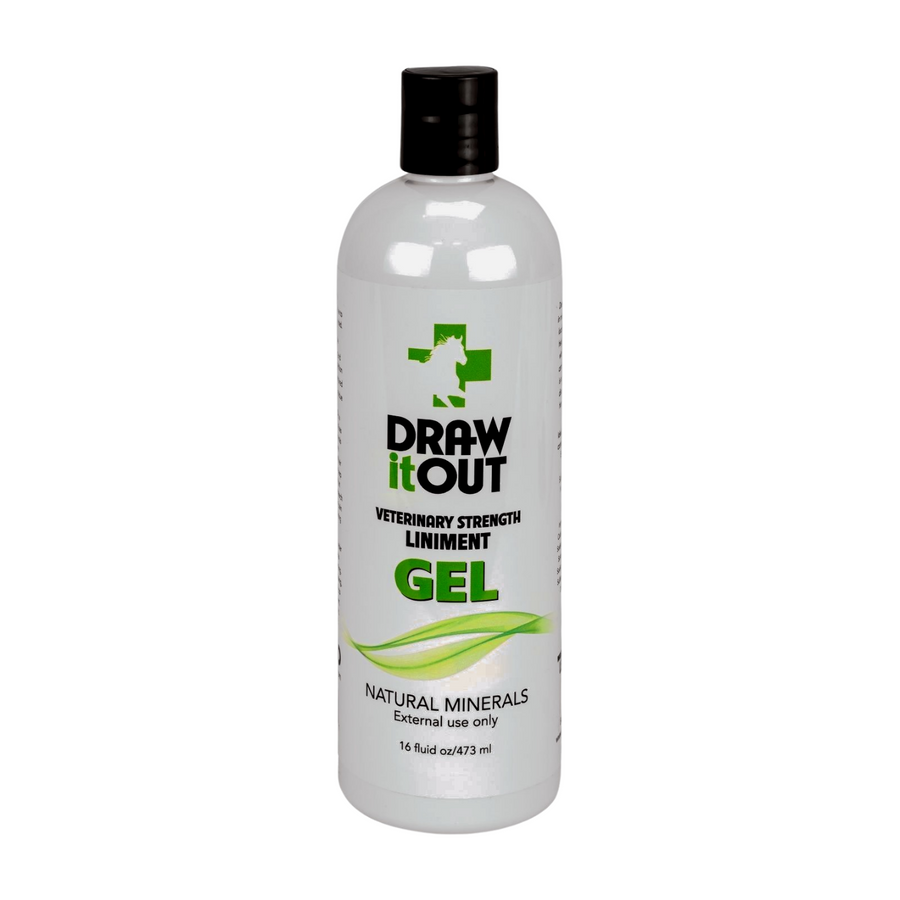
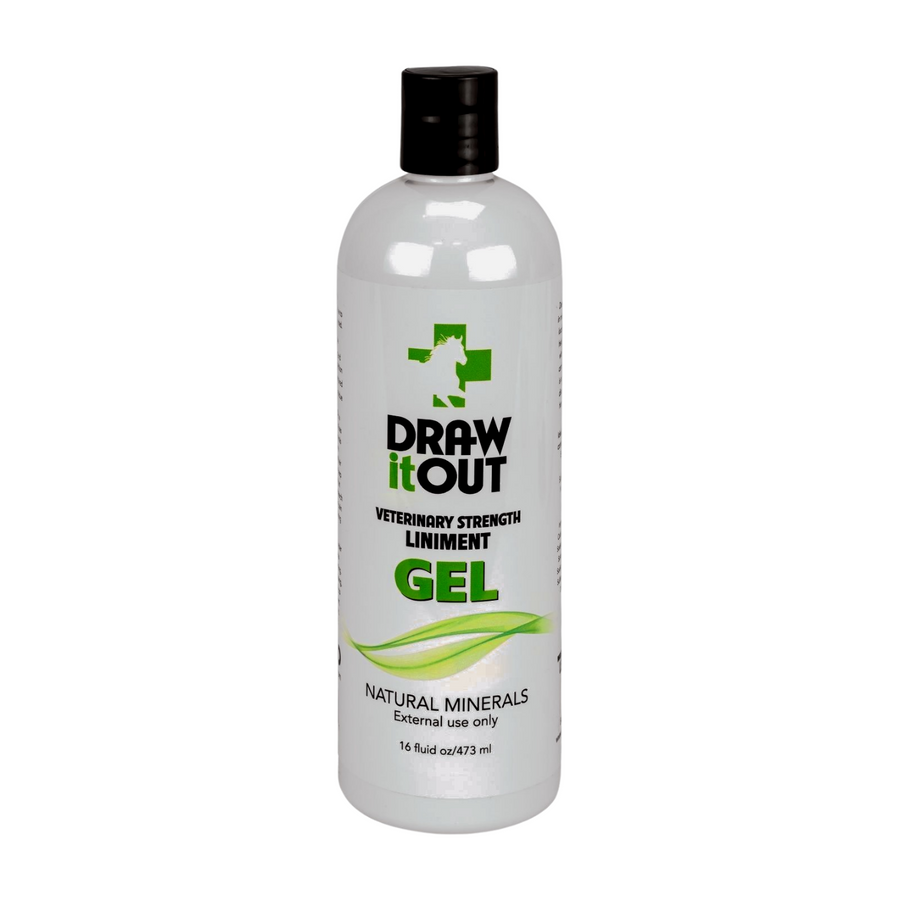
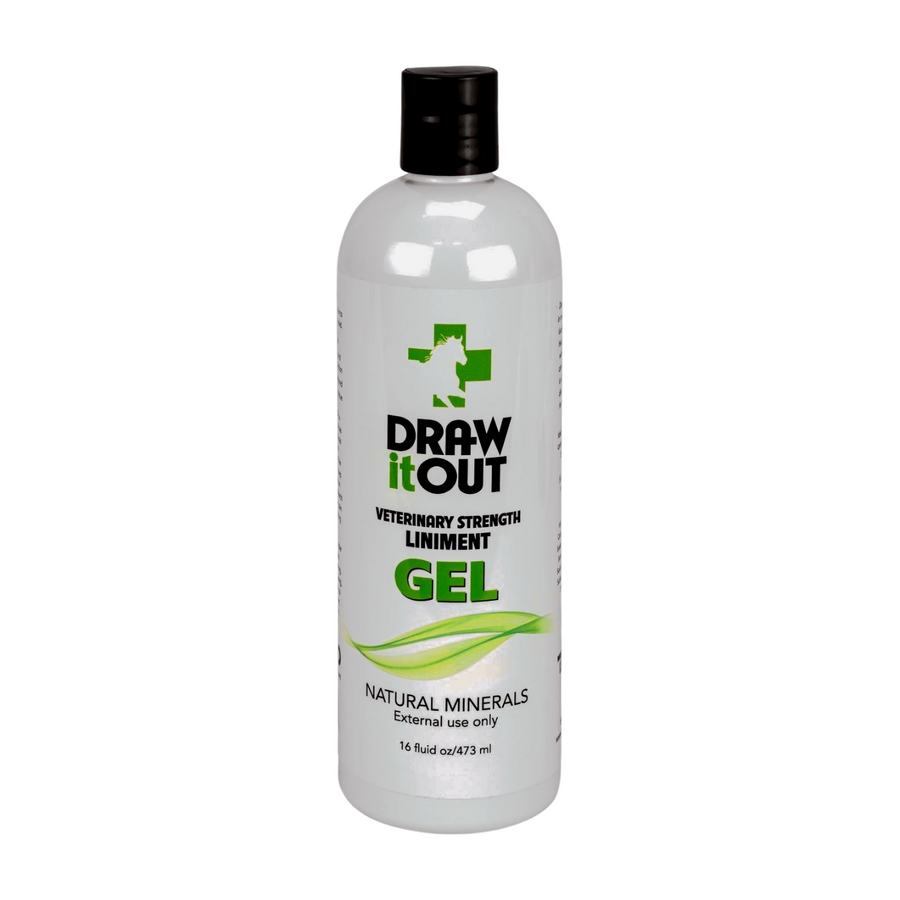
For everyday post-work routines, Draw It Out® 16oz Liniment Gel fits when you want a stay-put, sensation-free liniment gel after the horse is clean and dry. For size options, use the horse liniment gel collection.
What not to do
- Do not keep squeezing every stride.
- Do not punish a horse for being unclear when your cue was unclear.
- Do not ride through obvious pain, heat, swelling, or lameness.
- Do not confuse obedience with understanding.
- Do not make the ride about winning one moment and losing the horse’s trust for the next twenty.
A better rider question
Instead of asking, “Why won’t this horse go?” ask this:
“What would make the right answer easier for this horse to find?”
That question changes the ride. It does not make you soft. It makes you useful.
Where to go next
Use this article as an observation check, not a diagnosis. If the sticky feeling becomes worse, shows up suddenly, comes with lameness, or does not improve with a clear ride and proper recovery, involve your vet, trainer, farrier, or bodywork professional.
FAQ
Does a sticky horse mean the horse is lazy?
Not always. A horse may feel sticky because of unclear cues, no release, fatigue, discomfort, footing, tack pressure, or confusion. Start by checking the signal and the horse before assuming laziness.
Should I use more leg if my horse ignores my leg?
Use a clearer system, not constant nagging. Ask lightly, back it up calmly if needed, then release immediately when the horse responds. Constant leg can make the horse duller.
What body areas should I check when a horse feels sticky?
Check the saddle area, girth path, shoulders, back, hips, hamstrings, lower legs, and overall movement symmetry. Watch for heat, swelling, flinching, reluctance, or unevenness.
When should I stop riding?
Stop and get help if the sticky feeling is sudden, severe, paired with lameness, swelling, heat, pain behavior, or does not improve with normal warm-up and clear cues.
This Real Rider Resource is educational and is not veterinary advice. Always follow product labels and consult qualified professionals for serious, sudden, or worsening concerns.