
White line
Look for separation, widening, stretching, crumbly material, or packed grit at the junction between sole and wall.
White line hoof check
When the white line starts telling a different story, do not reach for a knife or a mystery mixture. Pick the foot, mark what changed, and get the farrier’s eye on it.
Quick answer: Seedy toe usually points riders toward the white line, toe wall, hoof wall separation, crumbling horn, cracks, old nail holes, or hollow-sounding wall changes. Do not dig, cut, pack random products, or guess at treatment. Clean the foot, note what changed, and involve your farrier when white line changes are persistent, widening, hollow, painful, or tied to hoof shape.
White line concerns need a check, not a shortcut.
Riders often use “seedy toe” when they see crumbly material, separation, hollowing, or strange changes around the white line or toe area. The words get used differently from barn to barn, but the first response should stay the same: clean the hoof, inspect carefully, and get the farrier involved when the wall or white line is changing.
White line changes are not a place for barn surgery. The hoof wall, sole, laminae, farrier balance, and internal structures all matter. Guessing can make the problem worse or hide what a professional needs to see.
Clean frame: Seedy toe is not a product-shopping problem first. It is a hoof-structure and farrier-awareness problem first.
Look for separation, widening, stretching, crumbly material, or packed grit at the junction between sole and wall.
Check for hollowing, flares, cracks, chips, or wall changes that seem different from the rest of the hoof.
Notice if the edge looks undermined, packed, tender, or different after cleaning.
Old nail holes and shoeing changes can create places where grit and moisture collect.
Any lameness, foot soreness, or reluctance means the issue has moved beyond routine observation.
Recurring cracks, wet footing cycles, long toes, or farrier-cycle timing all matter.
Before product, before soaking, before wrapping, and definitely before cutting or digging, get a clean read on the hoof.
| Check | What to look for | Why it matters |
|---|---|---|
| White line | Widening, separation, crumbly horn, packed grit, black material | The white line tells your farrier whether hoof wall integrity may be changing. |
| Toe wall | Flares, hollow areas, cracks, chips, wall separation, long toe | Wall shape and leverage can affect whether the issue keeps returning. |
| Sole | Tenderness, bruising appearance, undermined edge, packed debris | Sole sensitivity or pain can change urgency. |
| Old nail holes | Open holes, crumbly tracks, moisture pockets, shoeing changes | Nail-hole history may matter in a farrier plan. |
| Soundness | Lameness, toe-first landing, reluctance, short stride, heat, pulse | Soundness changes move this out of routine hoof hygiene. |
Important: Do not cut, dig, hollow out, or pack the white line yourself. Your farrier needs to see the hoof clearly and decide the next move.
Seedy-toe-like changes are farrier-aware by default. The farrier can evaluate hoof balance, wall separation, toe leverage, old nail holes, trim cycle, shoeing setup, and whether the area needs professional attention.
Good farrier call: “I picked the foot, cleaned the toe, and I’m seeing this change at the white line. It looks different than last trim.”
Many white-line and wall concerns start with the farrier, but the veterinarian should be involved when pain, lameness, systemic signs, or deeper concerns are present.
Plain answer: If the horse is lame, painful, draining, swollen, feverish, or not acting normal, this is not a wait-and-see hoof hygiene issue.
SilverHoof EQ Therapy® and other hoof-care products belong in the routine hoof hygiene lane. They can fit after the hoof is picked, cleaned, inspected, and when the product directions match the situation.
They should not be used to hide white line separation, replace farrier trimming, fill cavities, treat infection, replace veterinary care, or delay a professional call.
Keeping the lanes clean helps riders respond faster and safer.
| Concern | Common signs | First response |
|---|---|---|
| Thrush-like | Frog odor, black debris, central sulcus buildup, wet footing | Clean, dry when possible, manage moisture, involve farrier if persistent or painful |
| Abscess-like | Sudden lameness, hoof heat, stronger digital pulse, localized pain | Stop work, inspect the foot, call farrier or veterinarian |
| Seedy-toe-like | White line widening, crumbly toe, hollow wall, wall separation | Clean the foot, avoid digging, call farrier for white-line evaluation |
Good intent can do real damage when a rider starts cutting, packing, or mixing without a farrier’s eye on the hoof.
Prehabilitation includes hoof care. Pick the feet, check the white line, watch old nail holes, track farrier timing, notice toe changes, and take photos when something looks different.
The best time to notice a white-line issue is before the horse becomes lame.
Riders often use “seedy toe” to describe white line or toe wall changes such as crumbly material, separation, hollowing, or unusual wall changes near the toe.
The terms are sometimes used together, but the important point for riders is the same: white line or hoof wall changes should be cleaned, inspected, and evaluated by a farrier when persistent, widening, hollow, painful, or recurring.
Pick the hoof and inspect the white line, toe wall, sole edge, cracks, old nail holes, hoof wall shape, and whether the horse is sound.
No. Do not dig, cut, hollow, or pack the hoof wall yourself. Your farrier should guide any trimming, opening, or corrective work.
Call your farrier for widening white line separation, crumbly material, hollow wall, toe wall cracks, old nail-hole problems, recurring toe issues, or hoof wall changes tied to tenderness or movement change.
Call your veterinarian for lameness, strong hoof pain, heat, swelling, drainage, puncture concern, fever, dullness, poor appetite, or a horse that is not acting normal.
SilverHoof EQ Therapy® fits routine hoof hygiene after the hoof is picked, inspected, and product directions match the situation. It should not replace farrier or veterinary care.
Thrush-like concerns focus on frog odor, black debris, central sulcus buildup, and moisture. Abscess-like concerns often involve sudden lameness, heat, stronger pulse, and localized pain. Seedy-toe-like concerns focus on white line, toe wall, and hoof wall separation.
Pick the foot. Read the toe. Do not dig. Do not pack random products. Get the farrier involved early, and use hoof-care products only where routine hygiene fits.
Start Here
This article gives you the background. If you are ready to put the idea into a real horse care routine, these are the next three places most riders should go.
Simple rule: read the article for context, use the Solution Finder for direction, then build the routine around the product format your horse will actually use consistently.
Real Barn Proof
Real riders. Real horses. Real routines. These clips rotate automatically so the proof stays fresh without weighing the page down with a long feed.
Why this matters: good horse care should make sense outside the ad. These clips show the kind of everyday use that builds trust one barn at a time.
Further Reading
Horse care works better when the next step is clear. These related reads help connect today’s topic to better daily decisions in the barn.
May 27, 2026
A practical horse health checklist for stiffness after turnout. Check gait, legs, hooves, heat, swelling, hydration, attitude, and recovery ro...
Read article
May 27, 2026
Gel, spray, and concentrate each fit a different horse-care routine. This buyer guide helps riders choose the right Draw It Out® format.
Read article
May 26, 2026
A special Draw It Out® feature on why we like K&D Platinum Line barn gear, how real barn needs shaped SuperClean®, and why practical equip...
Read articleStart with the principle, then build the habit. The right article should make the next barn decision easier, not more complicated.
Next Step
Simple care guides, practical product paths, and rider-trusted tools built for real horses and real routines.
Good care gets easier when the next step is obvious. Read the guide, match the routine, then choose the format that fits how your barn actually works.
Recovery Routine
Want a smarter way to think through post-ride care, heat, swelling, leg support, and daily recovery decisions? Start with the Performance Recovery Hub.
Better recovery starts with a repeatable routine. The hub gives riders a clearer path from workload to product format to aftercare timing.
Rider Favorites
Four core Draw It Out® staples riders keep close for daily recovery routines, wash rack use, targeted support, and quick barn-side care.
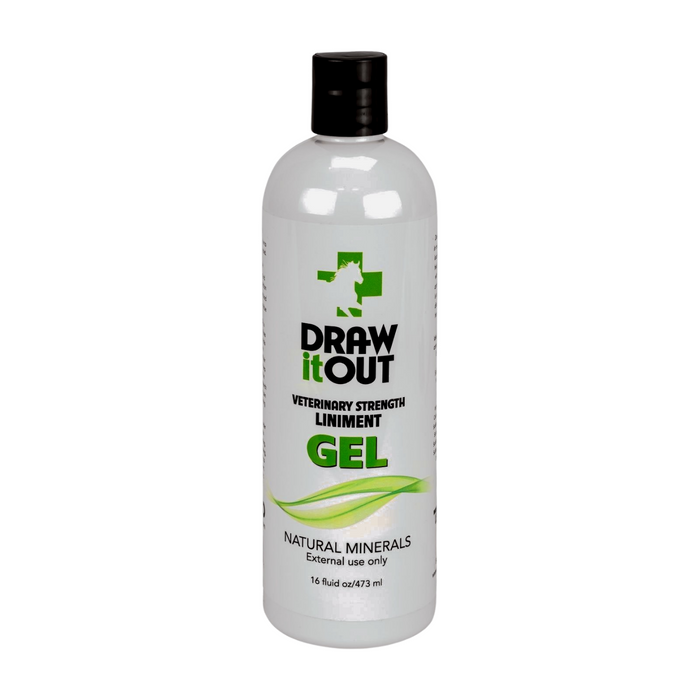
Stay-Put Gel
The everyday liniment gel format riders reach for when they want targeted, no-mess application.
View product
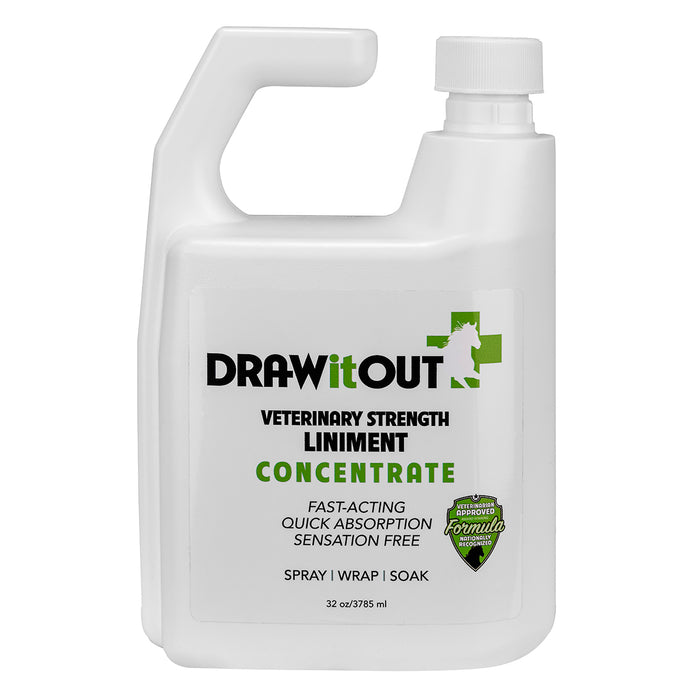
Mix Your Way
A flexible concentrate for riders who want to mix their own routine around workload and barn needs.
View product
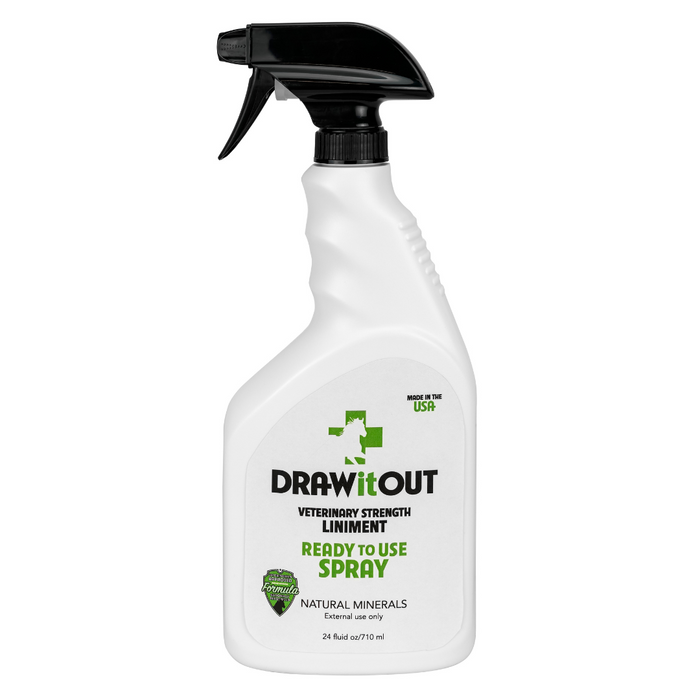
Ready To Use
A ready-to-use spray format for quick application after work, travel, turnout, or daily care.
View product
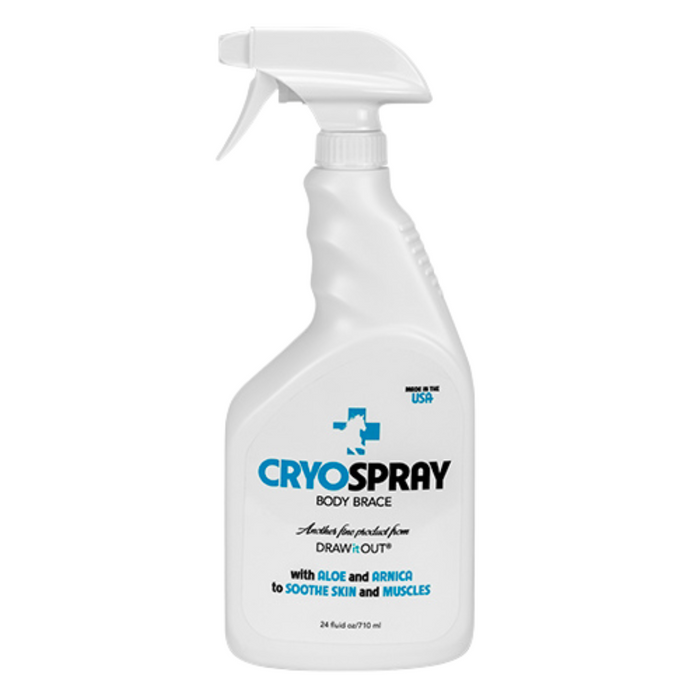
Cooling Brace
A cooling body brace spray for riders who want a fast, practical option after hard work or hot days.
View productFormat matters. Gel, concentrate, ready-to-use spray, and cooling spray each solve a different barn problem. Pick the one your routine will actually use.
!