Barrel Horse Recovery Routine
Barrel racing asks for explosive speed, fast acceleration, hard deceleration, and tight body control in a short burst. That kind of effort can leave even a fit horse feeling worked over if you do not have a real post-run plan.
Speakable summary: A good barrel horse recovery routine starts right after the run. Walk the horse out, let the body settle, check legs and back, and use targeted support where the workload landed. Smart recovery is about keeping a good horse comfortable enough to come back strong tomorrow, not just getting through today.

Cool Down After Every Run
Do not go straight from the run to done. Walk your horse after every run and let the body come down gradually. That gives breathing, circulation, and muscle tension a chance to normalize instead of stopping hard and hoping for the best.
Check the Horse Before You Reach for Product
Good recovery starts with paying attention. Put your hands on the horse and see what the run actually asked from them.
- Run your hands down all four legs and note heat, filling, or sensitivity
- Check hocks, stifles, shoulders, and the lumbar area for tension or soreness
- Look over the back and girth area for rubs or guarded reactions
- Watch the horse walk away and turn both directions before you load up or stall them
The point is not to hunt for drama. The point is to catch small things before they become bigger ones.
Use Liniment Where It Makes Sense
Barrel horses do not all wear effort in the same place. Some feel it more in the hindquarters and stifles. Some show it in hocks, front legs, shoulders, or back. Match your support to the workload instead of applying everything everywhere.
For more targeted application
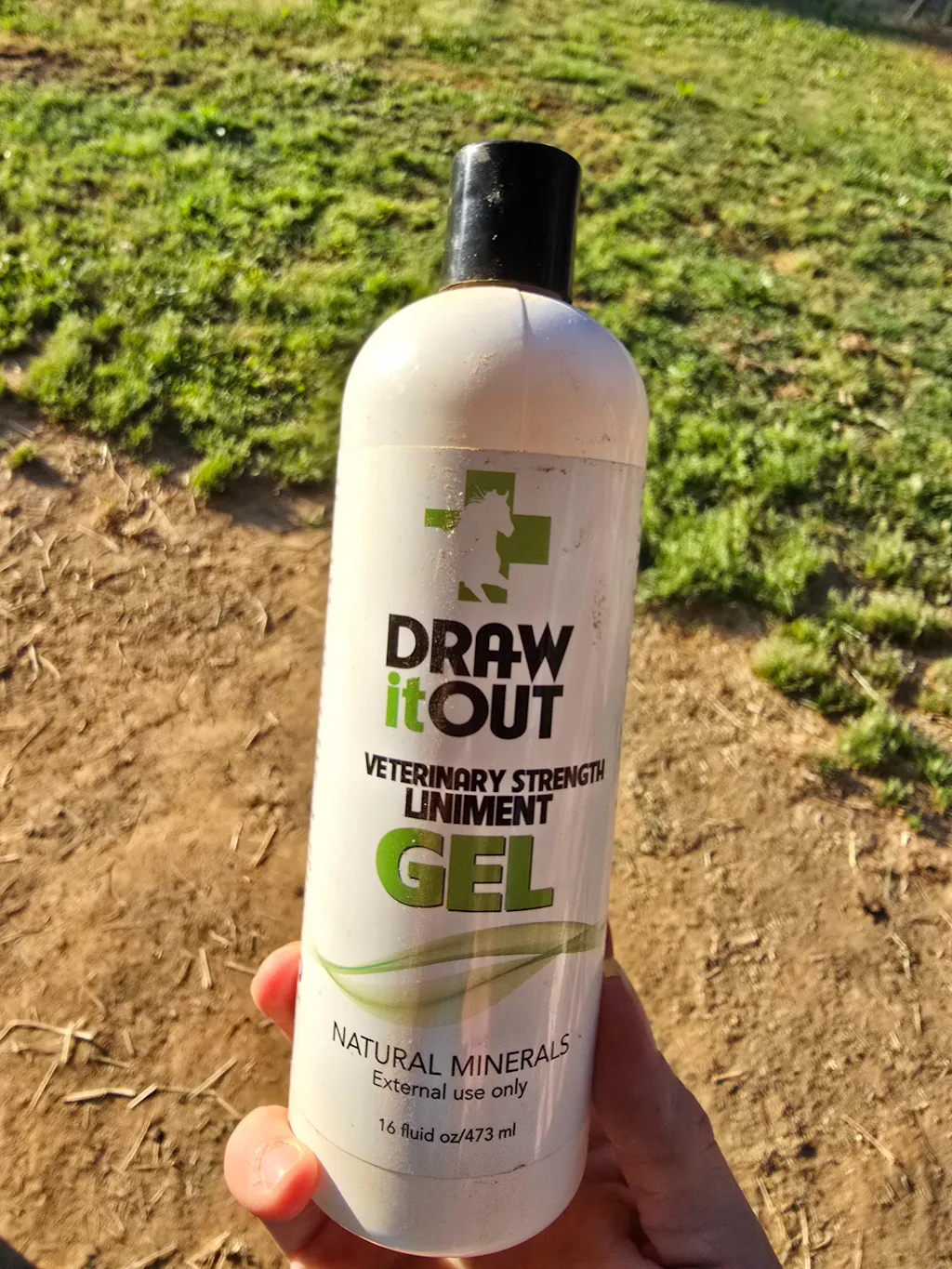
Draw It Out® 16oz High Potency Liniment Gel is the better fit when you want more control and better stay-put coverage on working areas.
For larger area coverage
Draw It Out® 32oz Concentrate makes more sense when you want a sponge-on or broader routine after a hot run or a long show day.
That is the value of using a sensation-free system. You can support recovery without adding a bunch of burn, tingle, or smell to an already worked horse.

A real rider recovery example
“Draw It Out® liniment after every run for this guy.”
BBR World Finals
Rachel Beck
This is the kind of recovery routine that matters because it is simple enough to repeat. Run the horse, cool him down, check the legs and body, then use Draw It Out® liniment gel where the work landed.
Real riders do not need complicated barn rituals. They need products that fit the rhythm of show life and help them stay consistent when the runs stack up.
Standing Wraps and Overnight Support
If your horse tends to stock up after travel, standing in the stall, or running hard on consecutive days, a smart wrap routine can help. Many riders use liniment gel under standing wraps after the horse has cooled down and been checked over properly.
Clean legs, even wraps, and common sense still matter. Wrapping is support, not camouflage.
Multi-Day Shows and Haul-Home Recovery
Barrel horses often do not just run. They haul, stand tied, wait around, warm up, run, cool down, and haul again. That stack of effort is where recovery routines earn their keep.
For multi-day runs or long travel days, broader applications and end-of-day leg checks matter more, not less. The horse that still looks fine after the first run may feel different after the second day or the trip home.
What to Watch the Next Day
The next morning is where honest recovery work shows up. Check for stiffness, filling, mood changes, or any guarded way of going that was not there before.
A little fatigue can be normal. Lingering soreness, heat, uneven swelling, or a horse that does not move the same way deserves more attention than another layer of wishful thinking.
Recommended Recovery Tools
Frequently Asked Questions
How soon should I apply liniment gel after a run?
After the horse has had a proper walkout and you have had a chance to put hands on them. Recovery works better when it follows observation.
Can I use Draw It Out® every day during a multi-day race?
Yes. Many riders use it daily because it is built to fit repeat routines without the harsh feel of old-school liniments.
Is Draw It Out® safe under wraps?
It is commonly used that way, but the usual rules still apply. Clean legs, correct wrapping, and no ignoring meaningful pain or swelling.