Jun 04, 2026
Hot Weather Horse Care: What to Check Before, During, and After the Ride
A practical horse health guide for hot weather riding, hydration awareness, recovery checks, cooling routines, and when heat stress conce...

Heaves, also known as recurrent airway obstruction, is a chronic respiratory condition influenced heavily by a horse’s environment. While it cannot be cured, it can often be managed effectively with consistent care and thoughtful barn practices.
Horses affected by heaves are typically sensitive to airborne irritants such as dust, mold spores, pollen, and poor ventilation. Over time, repeated exposure can lead to airway inflammation, labored breathing, coughing, and reduced tolerance for work.
Heaves is not caused by a single factor. It develops through repeated exposure to irritants that stress the respiratory system over time. Common contributors include:
Reducing exposure to these triggers is the foundation of long-term management.
A veterinarian may diagnose heaves based on observed breathing patterns, exercise intolerance, and diagnostic tools such as endoscopy or airway fluid analysis. Because this is a chronic condition, ongoing veterinary guidance is essential for monitoring progression and adjusting care strategies.
The most effective long-term improvements for horses with heaves come from environmental management rather than reactive interventions.
Maintaining a consistently clean living space helps reduce the buildup of fine particles that contribute to respiratory irritation.
Products like Draw It Out® SuperClean® Stall Cleaner are designed to support this goal by helping remove organic residue and grime that can trap dust and allergens in stalls and barn environments. Used as part of a regular cleaning routine, it supports healthier air quality without introducing harsh chemical odors.
Management of heaves often includes veterinary-prescribed medications during flare-ups, along with thoughtful adjustments to workload and conditioning. Regular, moderate exercise can help maintain overall respiratory efficiency when the horse is comfortable.
The key is consistency. Small improvements applied daily tend to outperform aggressive changes made only during flare-ups.
While heaves is a respiratory condition, horses managing chronic breathing challenges often experience secondary skin stress from environmental exposure, friction, and moisture.
Draw It Out® Rapid Relief Restorative Cream is formulated to support compromised or irritated skin without dyes or added fragrance. It is designed for daily use where gentle, reliable care matters.
The formula includes zinc-based components and botanical conditioners that help maintain skin integrity while supporting the natural barrier function.
Made in the USA and designed to apply cleanly without heavy residue, Rapid Relief fits naturally into a regular grooming and care routine.
Heaves requires patience, observation, and proactive care. While it may change how a horse is managed, many horses live comfortable, productive lives when their environment and daily routines are thoughtfully maintained.
With veterinary guidance, consistent barn hygiene, and supportive care practices, horse owners can reduce flare-ups and help affected horses breathe easier over time.
Always consult your veterinarian for diagnosis and treatment planning specific to your horse.
A practical horse health guide for hot weather riding, hydration awareness, recovery checks, cooling routines, and when heat stress conce...
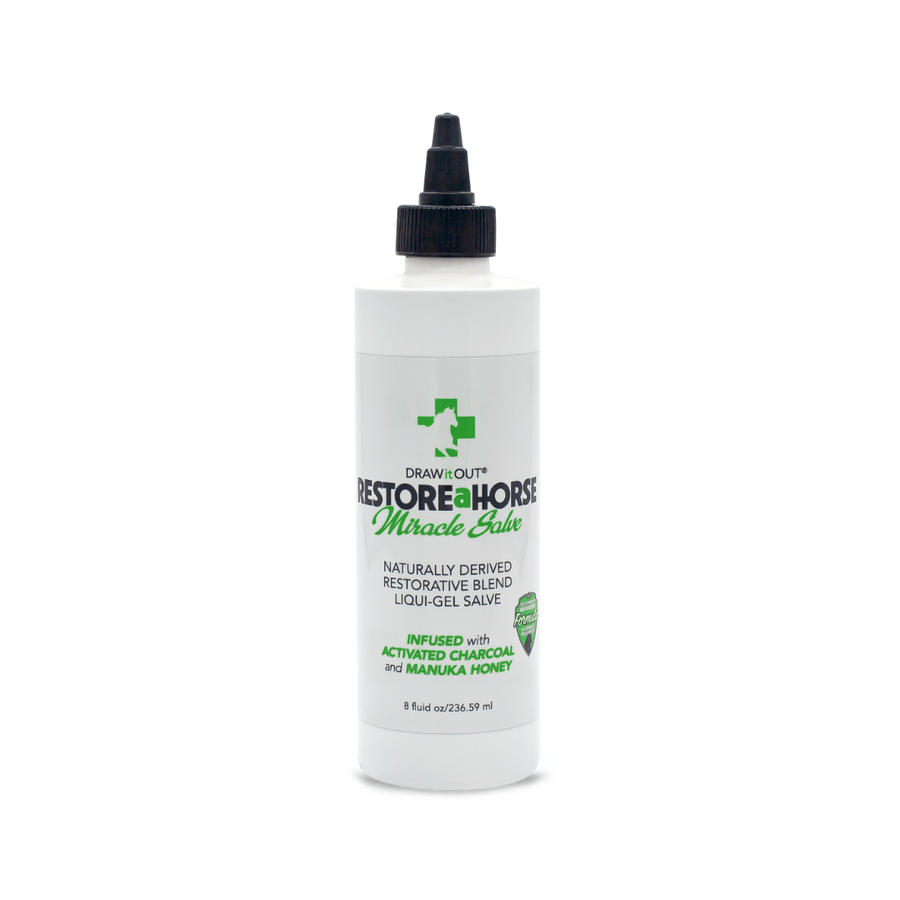
A practical guide to checking pasterns, heel bulbs, and lower-leg skin, including when a stay-put horse skin salve fits the routine and w...
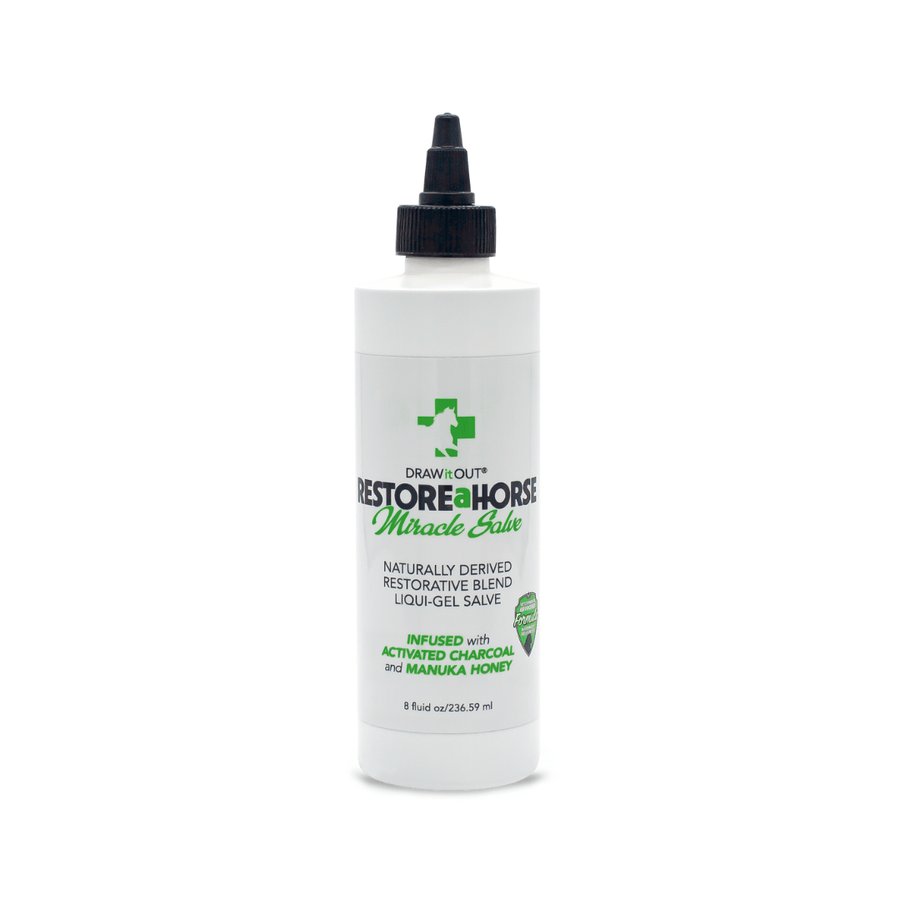
A practical horse skin-care guide for sorting out rain-rot-prone skin, rubs, scrapes, and when a stay-put salve like RESTOREaHORSE® fits ...
!