

May 14, 2026
Horse Not Sweating Enough in Warm Weather? What to Check First
When a horse does not sweat enough in warm weather, it can turn from a small clue into a serious risk fast. This guide explains what to c...

Draw It Out® Horse Health Care News
Stocking up can be routine lower-leg filling from standing, but not every filled leg should be brushed off. The job is to compare, observe, move carefully, and know when the pattern is not normal for that horse.
A stocked-up leg can look dramatic, especially first thing in the morning.
Sometimes it is soft lower-leg fill from stall time, hauling, weather, or reduced movement. Sometimes it improves after safe turnout or hand walking. Sometimes it is the horse telling you to stop assuming.
The first move is not panic. The first move is a clean check.
Soft, cool, even fill is a different conversation than one-sided heat, sharp sensitivity, or movement that does not look right.
Routine stocking up often appears as soft, cool, lower-leg filling after standing, stall rest, hauling, or reduced turnout. It may improve with safe movement.
That still does not mean ignore it. It means learn the horse’s normal pattern so the abnormal stands out sooner.
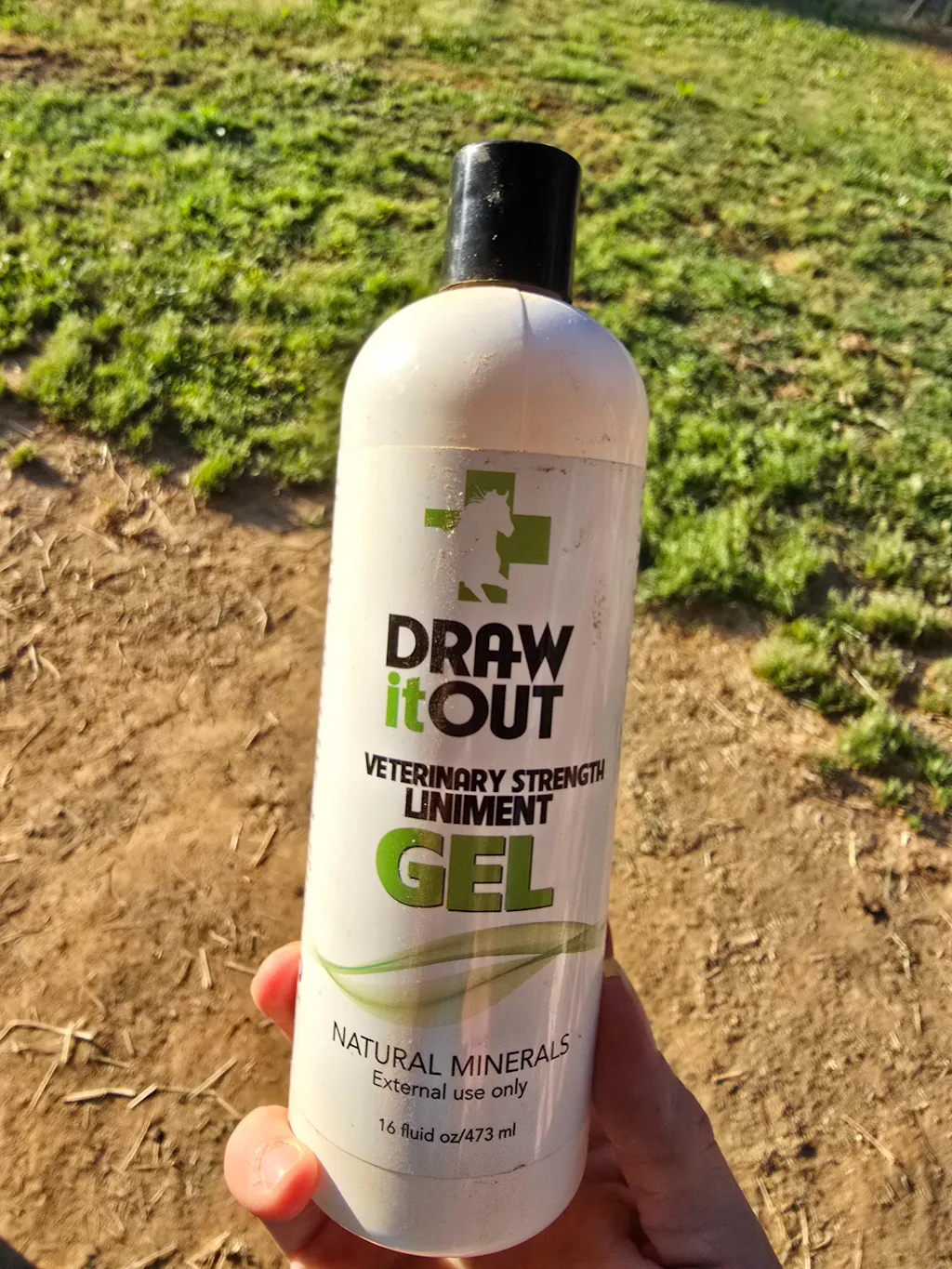
Draw It Out® Liniment Gel can fit routine leg-care support after the horse has been checked and the skin is clean and intact. It should support good observation, not replace it.
Get professional guidance when the leg is hot, sharply sensitive, one-sided, rapidly changing, connected with abnormal movement, or does not fit the horse’s usual pattern.
Stocking up is not automatically a crisis, but it is always information. Compare, feel, watch, move carefully, and let the horse’s pattern guide the next decision.
When a horse does not sweat enough in warm weather, it can turn from a small clue into a serious risk fast. This guide explains what to c...

A practical post-ride horse recovery routine for spring show season, now routed directly to the live What Does My Horse Need page, Prehab...

A horse show hydration guide now routed directly to What Does My Horse Need, Prehabilitation, Hydro-Lyte®, and 16oz Liniment Gel.
!