May 09, 2026
Horse Feels Worse the Day After Riding? What to Check
If your horse feels worse the day after riding, check the pattern, workload, footing, hydration, legs, back, and how quickly they loosen ...

Draw It Out® Horse Health Care News
Preventing routine stocking up starts with movement, daily leg checks, turnout judgment, and knowing your horse’s normal pattern before lower-leg fill becomes another barn surprise.
Stocking up is one of those problems riders learn to recognize, then sometimes get too comfortable ignoring.
A little fill after standing. A little puff after hauling. A horse that stocks up every time turnout changes. Some of that can be routine for certain horses. But prevention still matters, because “normal for him” should never become “I stopped checking.”
Prevent standing-still problems with smart movement, not guesswork.
Wraps can help some horses in some programs, but they can also create problems when used badly. Poor tension, dirty legs, trapped moisture, or wrapping without understanding the reason can make the situation worse.
If wrapping is part of your horse’s routine, learn it properly and make sure the legs are clean, dry, and appropriate for wrapping.
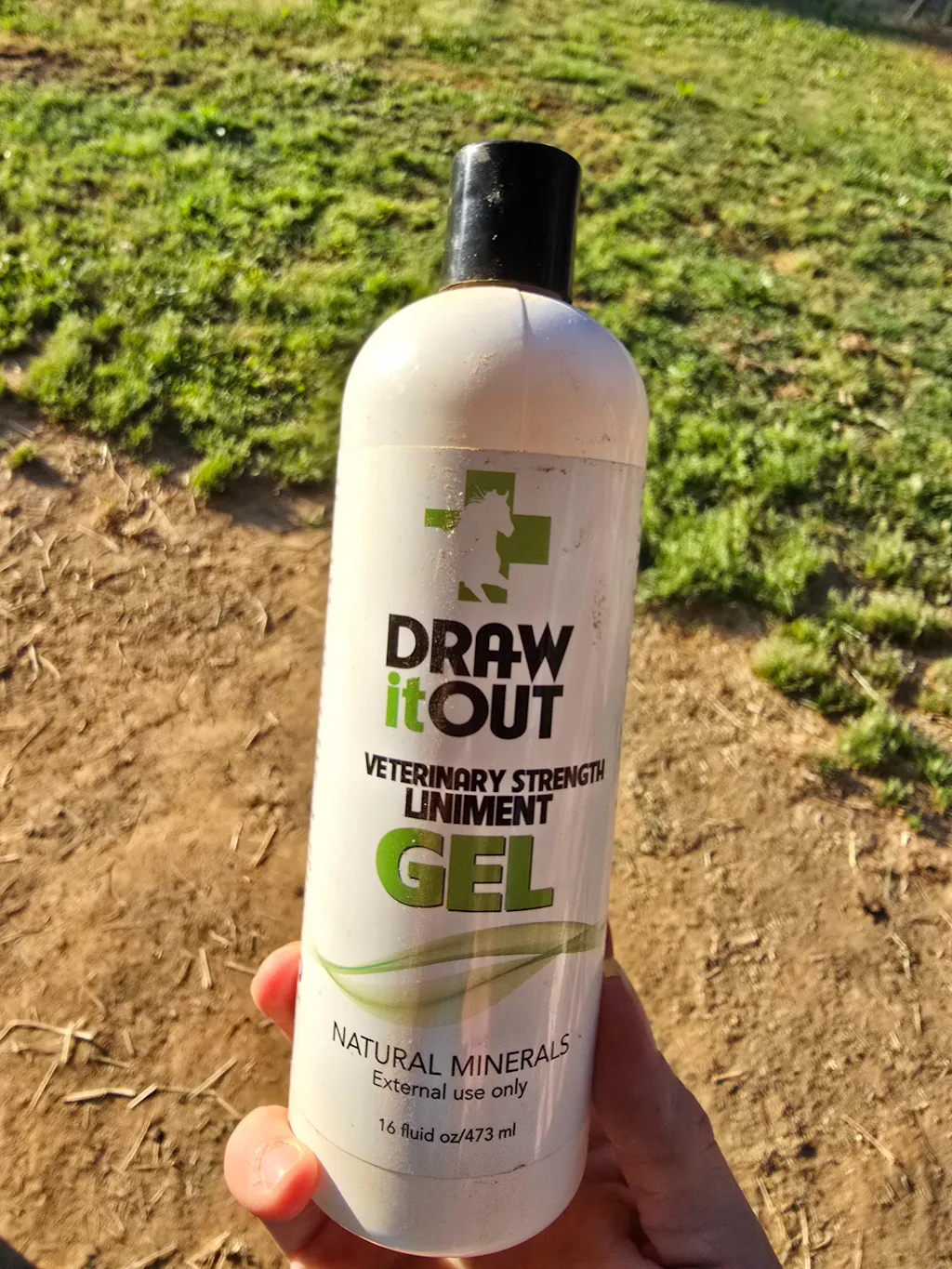
Draw It Out® Liniment Gel can fit routine leg-care support after the horse has been checked and the skin is clean and intact. The product belongs inside a routine that starts with observation and movement management.
Shop Draw It Out® 16oz Liniment Gel or read the Horse Leg Care Guide.
Get professional help when fill is one-sided, hot, sharply sensitive, rapidly changing, connected with abnormal movement, paired with skin damage, or outside the horse’s normal pattern.
Stocking up prevention is not complicated. Keep horses moving safely, check legs honestly, manage stall time, keep skin clean, and do not let a familiar pattern become an ignored one.
If your horse feels worse the day after riding, check the pattern, workload, footing, hydration, legs, back, and how quickly they loosen ...

That sudden spring change in your horse may not be training. Fresh grass sugar swings can affect comfort, movement, and behavior.

Show days reward restraint. Learn how to support performance without overworking, over-prepping, or dulling your horse.
!