Sweating, Salt, and Stress: Understanding Electrolyte Balance in Horses
Electrolyte loss is not just a summer issue. Horses lose electrolytes through sweat, hauling, stress, and daily work. Knowing how to spot imbalance and support hydration is essential for long-term comfort and consistency.
When a horse sweats, they lose more than water. They also lose electrolytes, the charged minerals that help regulate hydration, muscle function, and normal nerve signaling.
This Real Rider Resource breaks down what electrolyte balance means, what causes loss, and how riders commonly support recovery using equine electrolytes as part of a practical routine.
When Your Horse Sweats, They Lose More Than Water
Electrolyte loss can occur during obvious heavy work, but it also happens quietly during:
- Trailering and travel stress
- Training sessions that do not look intense
- Hot, humid, or rapidly changing weather
- Extended days at shows or events
Replacing only water may not fully restore balance if electrolyte losses are not addressed.
What Are Electrolytes and Why Do Horses Need Them?
Electrolytes are minerals such as sodium, potassium, chloride, magnesium, and calcium. They help regulate:
- Fluid balance at the cellular level
- Normal muscle contraction
- Nerve communication
- Temperature regulation
- Recovery after work
When electrolyte levels fall, horses may not feel or perform like themselves, even if water is available.
Common Causes of Electrolyte Loss
- Heavy or repeated sweating
- Hauling or prolonged travel
- Illness or fever
- Long rides or multi-day events
- Reduced water intake
Loss often builds over time rather than all at once, which is why routine matters more than reaction.
Signs a Horse May Be Low on Electrolytes
- Dull or lethargic behavior
- Reduced appetite or water intake
- Dry gums or slower skin return
- Dark or concentrated urine
- Poor recovery after work
These signs can overlap with many conditions. Always consult your veterinarian if concerns arise.
How Riders Support Electrolyte Balance
Step 1: Know When to Supplement
- During warm or humid weather
- After hard or prolonged rides
- During hauling and travel
- When water intake drops
Step 2: Choose a Routine That Fits the Horse
Riders use different formats depending on needs and preference. Sugar-free equine electrolytes are often chosen for consistency and daily use.
Hydro-Lyte® with GastroCell® is a sugar-free equine electrolyte used by many riders to support hydration and digestive comfort during work and stress.
Step 3: Pair Electrolytes With Smart Recovery Habits
- Walk horses out fully before feeding
- Provide clean, familiar water
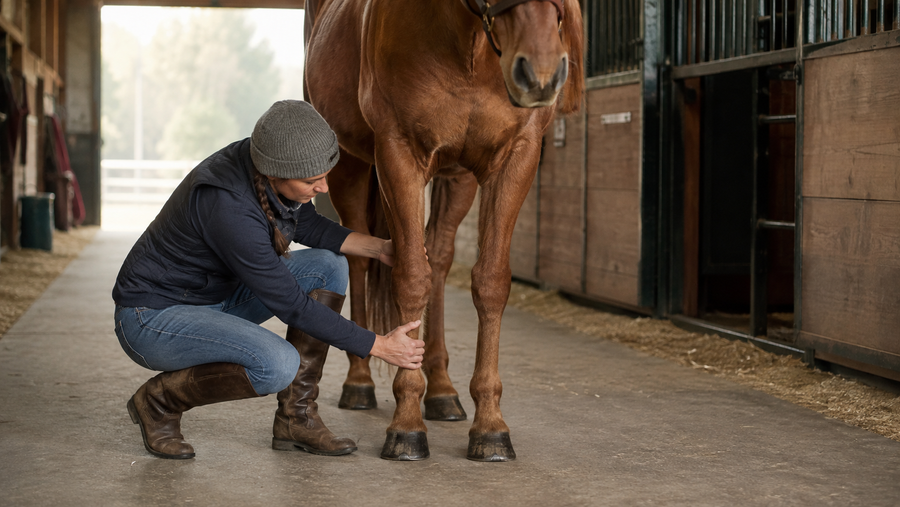
- Use topical liniment gel on legs to support circulation
- Maintain consistent daily routines
Real Riders Do Not Just Hydrate. They Replenish.
Electrolyte loss is part of riding. Awareness and routine help keep it from becoming a problem.
“Because when the ride is done, the real care begins.”
Related Real Rider Resources
For personalized product guidance, use the Solution Finder or explore the Prehabilitation approach to long-term comfort.
Educational content only. Always follow label directions and consult your veterinarian when making changes to hydration or feeding programs.