Summer horse care routine
Fly Sheet Rubs on Horses: What to Check Before Skin Gets Sore
Fly sheets help, but they are not set and forget gear. Heat, sweat, dust, shoulder movement, belly straps, and daily turnout can turn a small pressure mark into a bigger skin problem if nobody checks early.
Check fly sheet rubs by looking at the shoulders, withers, chest, hips, belly straps, tail flap, and any area where fabric moves against sweat, dirt, or hair. Remove the sheet, feel for heat or tenderness, clean and dry the area, adjust fit, and stop using the sheet if skin is open, swollen, painful, or getting worse.
Speakable summary
Fly sheets can protect horses, but they still need daily checks. Look at shoulders, withers, chest, hips, belly straps, and tail flap areas for heat, hair loss, rub marks, sweat, dirt, or soreness before the skin gets worse.
Why fly sheet rubs sneak up fast
A fly sheet can look fine from the barn aisle and still be causing friction underneath. Summer adds sweat, dust, humidity, bugs, rolling, turnout movement, and shifting fabric. That combination can flatten hair, irritate skin, and create pressure points before the rub is obvious from a distance.
The mistake is treating the sheet like a permanent solution. The better move is to treat it like tack. It has to be checked, cleaned, fitted, adjusted, and questioned when the horse starts showing marks.
The fly sheet rub check
1. Shoulders and chest
Look for flattened hair, broken hair, bare spots, warm skin, or a horse that flinches when you touch the front of the shoulder. This is one of the most common friction zones because every stride moves through that area.
2. Withers and topline
Lift the sheet and check the withers, spine line, and any seam or binding that sits over the top of the horse. Dust under pressure can act like sandpaper when the sheet shifts.
3. Belly straps and leg straps
Straps should secure the sheet without dragging, twisting, pinching, or sawing against the skin. Check for rubbed hair, dirty strap lines, sweat buildup, and pressure behind the elbows.
4. Hips, tail flap, and hindquarters
Rolling, swishing, rubbing on fences, and sheet movement can create irritation near the hips, tail head, and hindquarter seams. Do not skip the back half just because the shoulders look fine.
What to do when you find a rub
First, remove the sheet and look at the skin in good light. Then clean and dry the area. Do not put a dirty sheet back over irritated skin and hope it improves. That usually keeps the same friction pattern alive.
- Remove the sheet and check the full contact area.
- Feel for heat, swelling, tenderness, dampness, or broken skin.
- Clean away sweat, dust, and buildup.
- Let the area dry fully before covering it again.
- Check sheet fit, strap length, seam placement, and shoulder freedom.
- Pause the sheet if the rub is worsening or the horse is reacting to touch.
Build it into your normal summer routine
The best check is boring and repeatable. When the horse comes in, take the sheet off. Look at the same zones every time. Run your hands over the shoulders, withers, chest, belly strap line, hips, and tail area. Then decide whether the sheet goes back on, gets adjusted, gets washed, or gets left off for a while.
This fits the broader Draw It Out® approach to choosing products by need and building a practical care routine around what the horse is showing you. If the issue is movement, recovery, sweat, skin, or environmental pressure, the first answer is always observation.
Where Draw It Out® fits
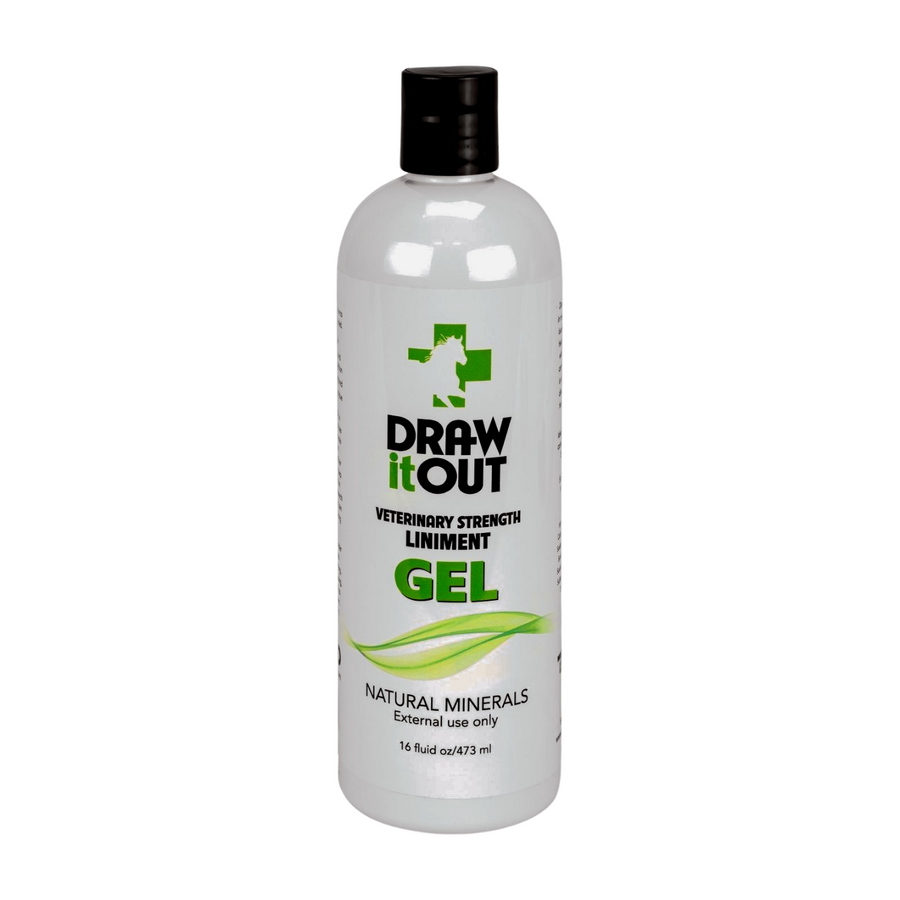
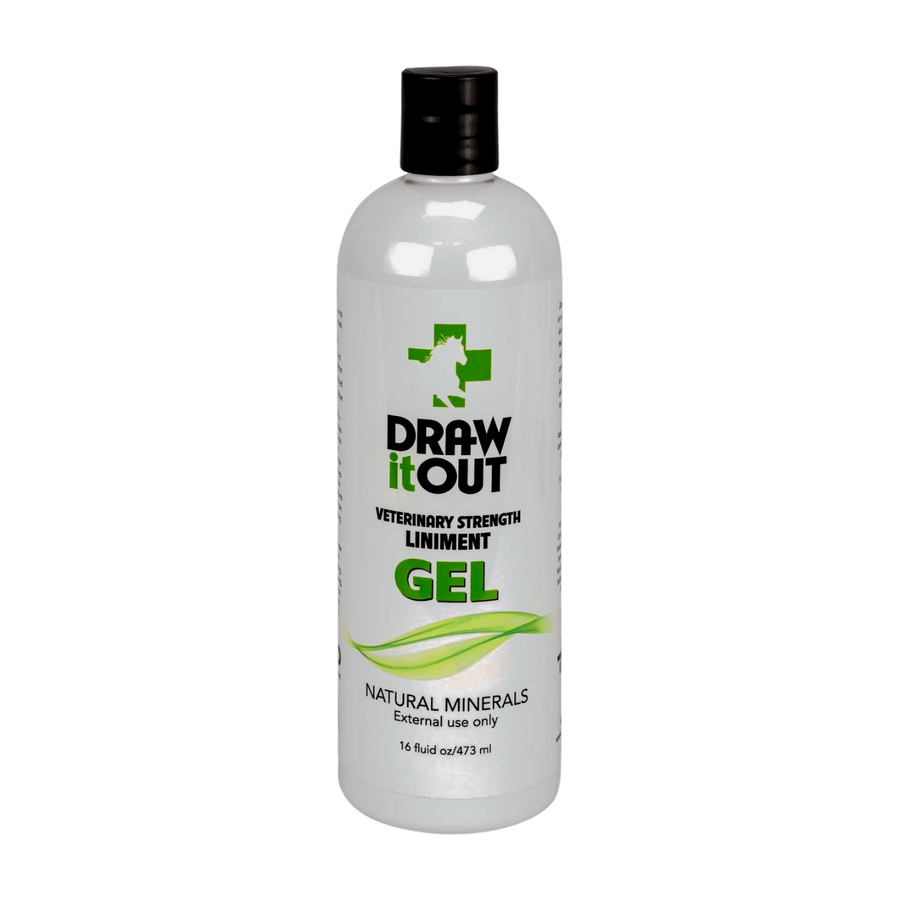
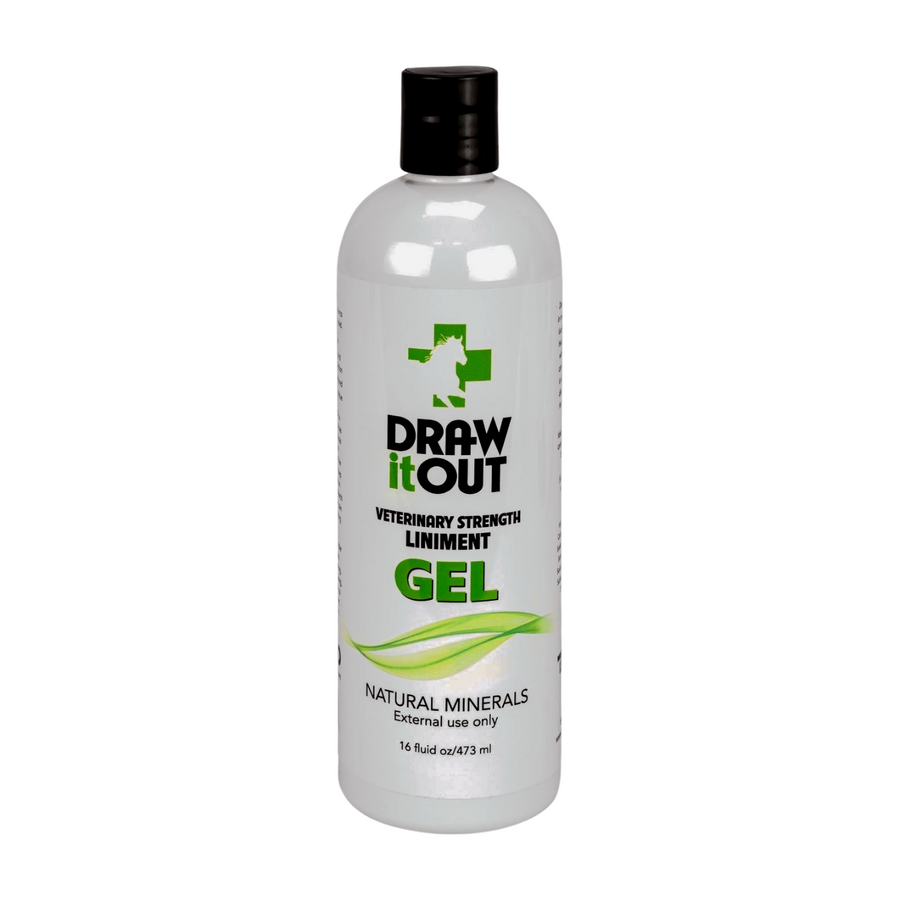
For routine body comfort after work or turnout, review the Draw It Out® liniment gel use guide. For sensitive skin situations and safe use decisions, start with the Draw It Out® safety guide. For skin care routines around rub prone areas, the Rapid Relief Restorative Cream use guide is the better educational next step.
Need help choosing?
Use the product path router when the horse is showing more than one clue.
Find the Right FitRoutine recovery
For everyday muscle and body care support after work, travel, or turnout.
Shop Equine CareSkin support
For skin focused care routines when rubs, sensitivity, or environmental stress are the main concern.
Shop Skin CareFAQ: Fly sheet rubs on horses
Where do fly sheets usually rub horses?
Common fly sheet rub areas include the shoulders, chest, withers, belly strap line, hips, tail flap area, and anywhere seams or straps move against sweat, dirt, or hair.
Should I keep a fly sheet on if it is causing rubs?
If the sheet is causing worsening rubs, tenderness, heat, swelling, or broken skin, remove it and reassess the fit, cleanliness, and strap setup. Do not keep using the same setup over irritated skin without correcting the cause.
How often should I check under a fly sheet?
Check under a fly sheet daily during hot, humid, dusty, or high bug pressure weather. Horses in turnout, horses that roll often, and sensitive skinned horses may need more frequent checks.
When should a fly sheet rub involve a veterinarian?
Call a veterinarian if the rub is open, draining, hot, swollen, painful, spreading, or not improving after the source of friction is removed.