Sunburn and Photosensitivity in Horses
Pink skin, white faces, pale muzzles, and light-colored legs need more thought when UV is high. Most sunburn is simple surface irritation. Photosensitivity is different, and it deserves faster attention.

Quick answer
Ordinary horse sunburn usually shows up on unpigmented skin after UV exposure. Photosensitivity can look like severe sunburn, but it may come from certain plants, feed triggers, or liver-related issues that make sunlight far more damaging. If the skin is oozing, crusting, spreading, painful, or your horse seems sick, call your veterinarian.
The simple rule: a pink muzzle after a long sunny day is one thing. Widespread crusting, open skin, swelling, or lesions beyond exposed pale areas is not something to shrug off.
Sunburn vs. photosensitivity
Ordinary sunburn
Sunburn is UV damage to exposed skin. It is most common on pink noses, white faces, pale eyelids, ears, and white leg markings.
- Redness
- Tender skin
- Peeling
- Dry cracking on exposed areas
Photosensitivity
Photosensitivity is a stronger reaction where sunlight causes exaggerated skin damage because light-reactive compounds are present in the body.
- Crusting or oozing lesions
- More severe pain
- Swelling or spreading damage
- Possible connection to plants, pasture, feed, or liver stress
Where horses usually burn
Watch the places with little or no pigment first. Pink noses, bald faces, pale eyelids, white socks, and clipped areas take the most punishment. Horses with thin coats, recent clipping, or long turnout during peak sun may need extra protection even if they have never burned before.
What to do today
- Move the horse out of peak sun and into shade.
- Keep the area clean and dry.
- Use a UV protective fly mask or nose cover when appropriate.
- Use an equine-safe zinc oxide or physical sunblock on vulnerable pink areas.
- Do not scrub damaged skin.
- Call your veterinarian if lesions are open, wet, spreading, swollen, unusually painful, or paired with appetite or behavior changes.
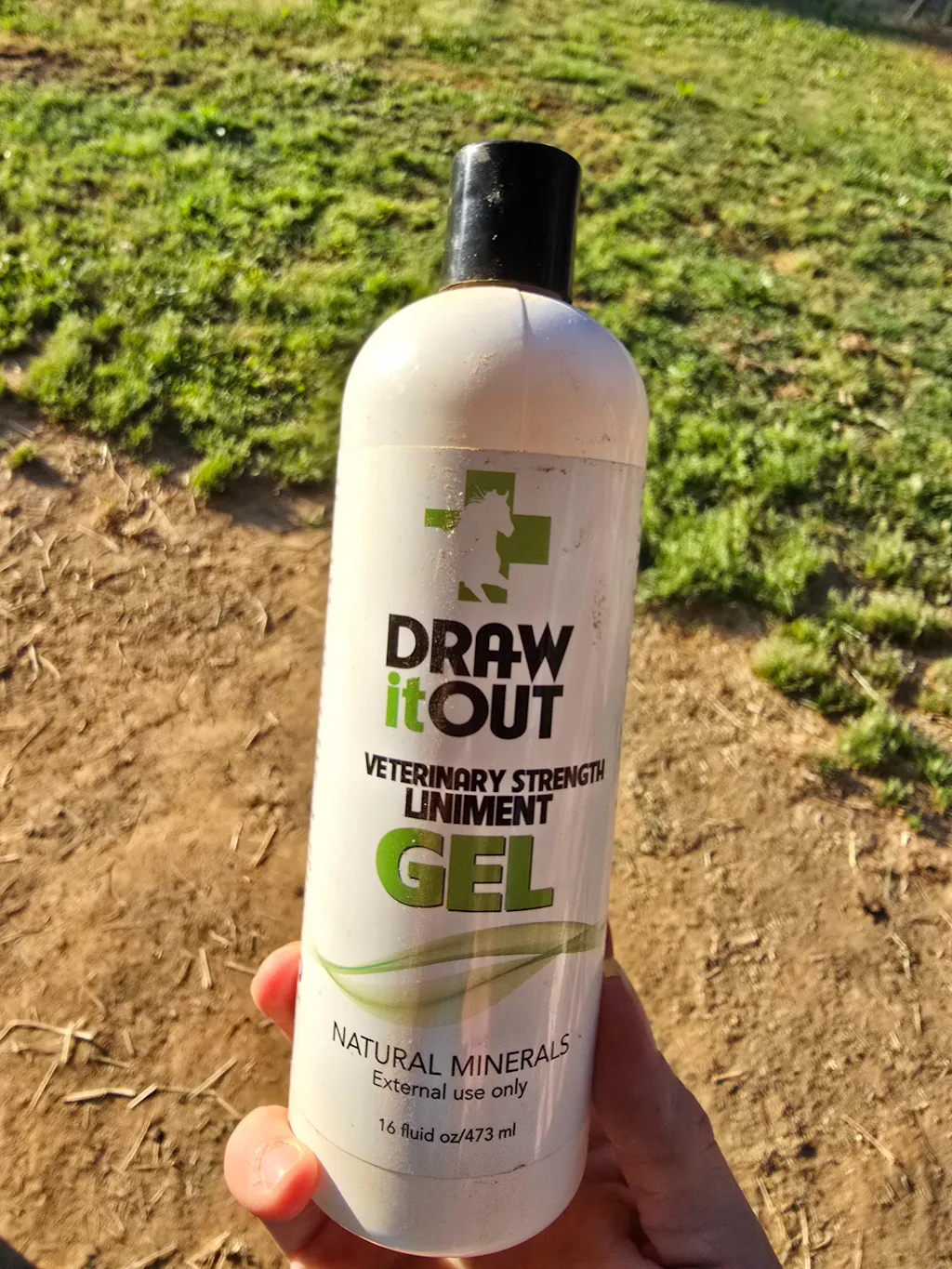
Where Draw It Out® fits
For sun-exposed skin, the first job is protection from UV and removal from the trigger. Draw It Out® products are not sunscreen and should not replace veterinary care for photosensitivity.
For everyday skin-care routines on clean, dry skin, riders often keep Rapid Relief Restorative Cream or RESTOREaHORSE® in the barn for minor rubs, scrapes, and hard-working skin areas. Avoid applying topical products to serious, deep, infected, or actively worsening lesions without your veterinarian’s direction.
Build a calmer summer skin routine
Start with shade, UV protection, clean skin, and a realistic barn routine. Then choose products that fit the job instead of throwing everything at the horse at once.
Prevention that actually holds up
- Turn out earlier or later when UV is lower.
- Use shade when the sun is strongest.
- Use UV-blocking fly masks, nose covers, and sheets when needed.
- Apply equine-safe physical sunblock to pink muzzles and pale areas.
- Walk pastures for suspect plants if reactions seem sudden or severe.
- Track feed, turnout location, and timing when skin reactions repeat.
When to call the vet
Call your veterinarian if the skin is oozing, crusting, swollen, spreading, unusually painful, or if your horse is dull, off feed, feverish, reluctant to go outside, or developing lesions in multiple areas. Photosensitivity can point to a bigger issue than surface sun exposure.
FAQ
Can horses really get sunburned?
Yes. Horses can burn on unpigmented or lightly haired skin, especially pink muzzles, pale eyelids, ears, white markings, and clipped areas.
Is photosensitivity the same as sunburn?
No. Photosensitivity can look like severe sunburn, but it may involve plant compounds, feed triggers, or liver-related problems that make sunlight far more damaging.
Can I put sunscreen on my horse’s nose?
Many riders use equine-safe physical sunblocks, often zinc oxide based, on pink muzzles and other vulnerable areas. Avoid eyes and mucous membranes, and follow the product label.
Should I use Draw It Out® products on sunburn?
Use UV protection and shade first. For minor everyday skin-care needs on clean, dry skin, products like Rapid Relief Restorative Cream or RESTOREaHORSE® may fit the routine. Do not use topical products as a substitute for veterinary care when lesions are open, spreading, wet, infected, or severe.
What is the biggest warning sign?
Oozing, crusting, swelling, spreading lesions, severe pain, or signs that the horse feels unwell should move the issue from routine care to veterinary guidance.