EQUINE | DEFENDER™ Guide
Equine Kinesiology Tape for Horses: When to Use It, How to Apply It, and What Not to Do
Short answer: equine kinesiology tape is flexible adhesive tape used on horses as part of bodywork, movement awareness, light support, training, hauling, show prep, and recovery routines. It is not a brace, a cure, or a replacement for veterinary care.
Best for
Bodywork, movement cueing, training weeks, hauling, show prep, and recovery days.
Main rule
Apply only to clean, dry hair. Do not use liniment, oils, sprays, or coat polish underneath.
Safety line
Do not tape over wounds, irritated skin, swelling of unknown cause, or any area of concern.
What is equine kinesiology tape?
Equine kinesiology tape is elastic tape designed to move with the horse. Unlike rigid wrapping, it is not meant to immobilize. Riders, trainers, and bodyworkers may use horse K Tape as part of a broader routine for movement awareness, light support, post-work care, hauling, show prep, or bodywork sessions.
EQUINE | DEFENDER™ K Tape is Draw It Out®’s equine kinesiology tape for barns that want a practical single-roll option. If taping is already part of your routine, the Stick & Move™ 6 Roll Bundle is the better barn-stock format.
When riders commonly use horse K Tape
- During bodywork or massage routines when a qualified handler wants a flexible cueing tool.
- During training weeks where movement awareness and light support are part of the program.
- Before or after hauling when the horse’s coat is clean, dry, and suitable for tape.
- During show prep when a barn wants a non-topical support tool that does not rely on menthol, camphor, or odor.
- On recovery days as one part of a larger care routine that may also include rest, walking, grooming, hydration, and veterinary guidance when needed.
When not to use kinesiology tape on a horse
Do not apply tape over open wounds, irritated skin, clipped-sensitive areas, unknown swelling, heat, infection, skin disease, or any area where the horse reacts poorly. If the horse is lame, painful, neurologic, swollen, or worsening, call your veterinarian instead of trying to tape your way through it.
The clean-hair rule
Most tape failures start before the tape touches the horse. Dirt, sweat, loose hair, coat polish, oil, liniment, fly spray, and damp hair can all interfere with adhesion. Clean and dry beats clever every time.
How to apply equine kinesiology tape
- Start with clean, fully dry hair.
- Brush away dirt, sweat, dust, and loose hair.
- Cut the strip to length and round every corner.
- Use zero-stretch anchors at the ends.
- Use light tension through the working section unless guided by a qualified professional.
- Rub the tape after application to help activate the adhesive.
- Check the tape often and remove it if it rolls, pulls, traps debris, or irritates the horse.
How to remove kinesiology tape from a horse
Remove slowly with the direction of hair growth. Use a water-first method and avoid ripping the tape off against the coat. Stop if the horse shows discomfort. If the skin looks irritated, leave it alone and do not reapply tape to that area.
K Tape vs. liniment vs. wraps
| Tool |
Best role |
Important rule |
| EQUINE | DEFENDER™ K Tape |
Flexible support, body cueing, and movement awareness |
Apply only to clean, dry hair |
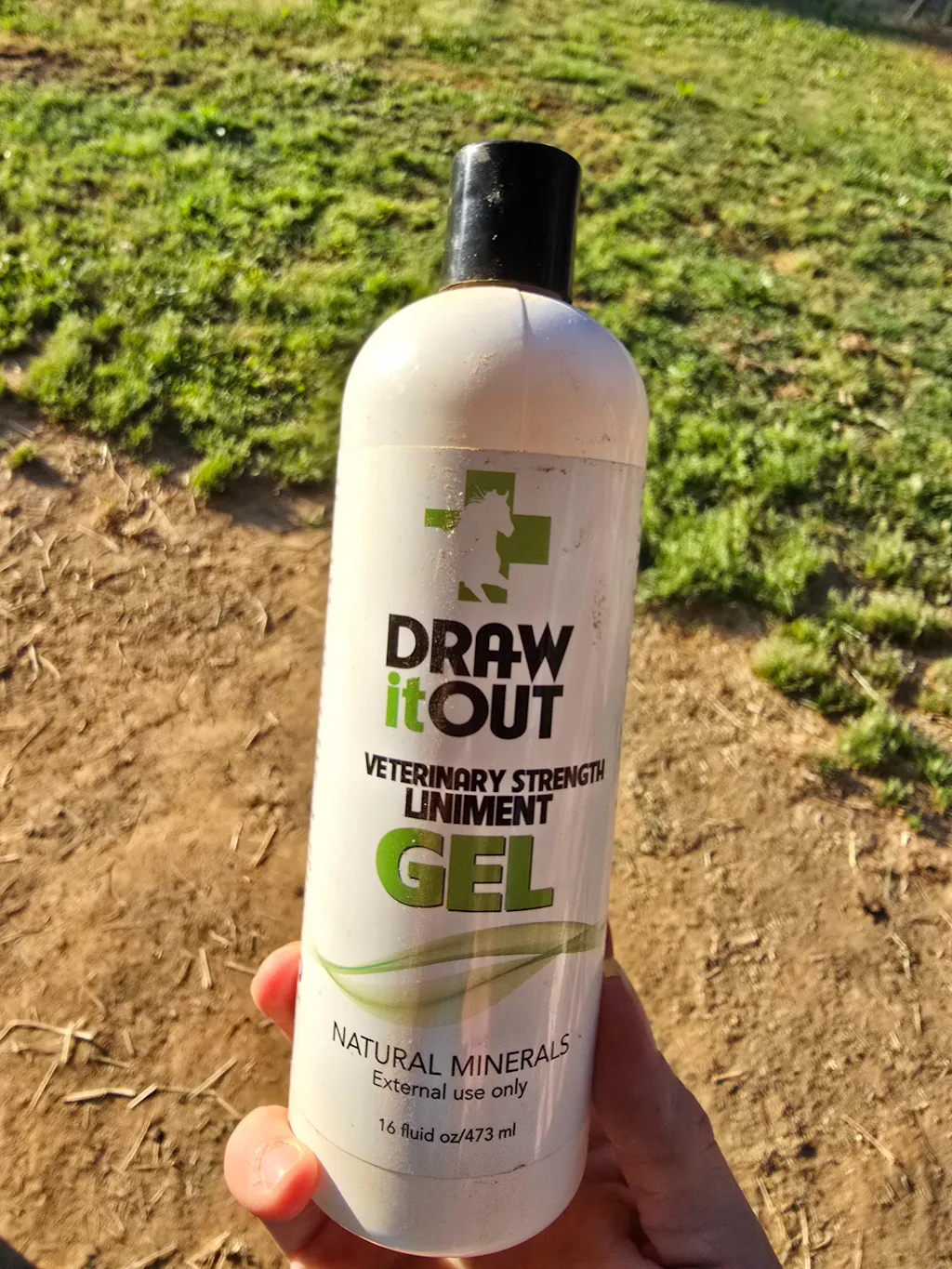
| Draw It Out® liniment |
Topical muscle and joint care |
Use after tape removal or on off days, not underneath tape |
| Wraps or boots |
Traditional support, coverage, or compression routines |
Check fit, pressure, heat buildup, and proper use |
Single roll or bundle?
Choose a single roll of EQUINE | DEFENDER™ K Tape when you are testing color, technique, or a new routine. Choose the Stick & Move™ 6 Roll Bundle when taping is already part of your barn’s normal program.
FAQ: Horse kinesiology tape
Can you use kinesiology tape on horses?
Yes, when the horse is an appropriate candidate, the hair is clean and dry, and the person applying it understands safe taping basics. Do not tape over injuries, irritated skin, or unexplained swelling.
Can I put liniment under K Tape?
No. Do not put liniment, oils, sprays, creams, coat polish, or fly spray underneath kinesiology tape. These can interfere with adhesion and may increase irritation risk.
Is horse K Tape waterproof?
EQUINE | DEFENDER™ K Tape is water resistant, but sweat, mud, bathing, oil, friction, and poor prep can shorten wear time.
How long should I leave K Tape on a horse?
There is no one-size-fits-all answer. Check it often. Remove it if the tape rolls, pulls, collects dirt, irritates the horse, or no longer sits cleanly.
Does kinesiology tape replace a vet?
No. Kinesiology tape is a support tool. It is not a diagnosis, treatment, or replacement for veterinary care.
Safety note: This guide is educational. Work with your veterinarian or qualified equine professional when pain, lameness, swelling, heat, wounds, illness, or performance changes are involved.