Horse Acting Different Under Saddle? What to Check Before Blaming Attitude
A horse that suddenly feels resistant, uneven, dull, tight, or unusually reactive may be telling you something. Start with a calm check before calling it bad behavior.

Quick answer
If a horse starts acting different under saddle, check the basics first: tack fit, girth area, back soreness, legs, hooves, heat, hydration, workload, and recent routine changes. Do not assume attitude until you have ruled out discomfort, fatigue, equipment pressure, and management changes.
Horses do not wake up and write business plans for ruining your ride. They react to pressure, discomfort, confusion, fatigue, fear, and habits. Sometimes it is training. Sometimes it is weather. Sometimes it is soreness. Sometimes it is the saddle, the ground, the workload, or the fact that yesterday took more out of them than you thought.
The mistake is jumping straight to attitude. That is how small clues get missed.
What should you check when a horse acts different under saddle?
Start with a body and tack check. Look at the back, withers, girth area, shoulders, legs, hooves, sweat marks, hydration, energy level, and recent workload. If the change is sudden, severe, repeated, or paired with heat, swelling, lameness, appetite changes, or obvious pain, stop riding and call your veterinarian.
Signs worth slowing down for
A horse does not have to be lame to be telling you something changed. Watch for patterns like these:
- Pinning ears when saddled or girthed
- Shorter stride than normal
- Reluctance to move forward
- Hollowing the back
- Swishing tail during normal requests
- Bracing through turns or transitions
- New resistance to picking up a lead
- Different attitude after hauling, heat, turnout, or harder ground
The first check: tack and pressure points
Before you argue with the horse, check the equipment touching the horse. Look at saddle placement, pad thickness, girth tension, cinch area, shoulder freedom, withers, and any new rubs or sweat pattern changes.
A small tack change can create a big riding change. A different pad, tighter girth, new saddle placement, dirty blanket, or pressure near the shoulder can make a good horse feel sour fast.
The second check: back, legs, and hooves
Run your hand along the back and loin area. Watch for flinching, dropping away, bracing, or heat that feels different from normal.
Check for rubs, swelling, sticky sweat, hair changes, or irritation where tack sits and moves.
Compare left to right. Heat, swelling, filling, or new sensitivity deserves attention before the next ride.
Hard ground, wet conditions, turnout changes, and uneven footing can all show up in how a horse moves under saddle.
The third check: workload and recovery
Yesterday matters. The weekend matters. The footing matters. The haul matters. A horse that worked harder than usual may feel different the next day even if nothing dramatic happened.
This is where a repeatable recovery routine earns its keep. The goal is not to bury the signal. The goal is to notice the signal, support the horse appropriately, and keep better records of what changes after work, hauling, heat, hard ground, or turnout.
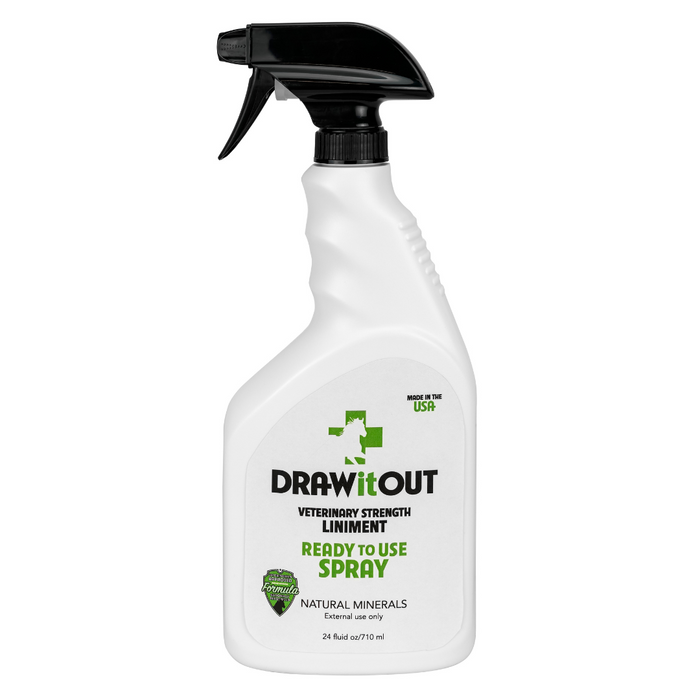
For routine post ride care, start with the Draw It Out® liniment collection and compare formats based on how your barn actually works. The 16oz liniment gel fits riders who want a simple daily gel format. The RTU Spray 24oz fits fast application. The 32oz Liniment Concentrate fits barns that like mix to use flexibility.
Routine is not a substitute for diagnosis
Daily care can help you notice changes sooner. It does not replace veterinary care, farrier care, saddle fitting, or proper training. If your horse feels unsafe, clearly painful, lame, swollen, hot, or repeatedly unlike himself, stop and get qualified help.
Build a better default response
Instead of saying “he is being bad,” ask a better question: “What changed?”
- Did the workload change?
- Did the footing change?
- Did the weather change?
- Did the tack or pad change?
- Did turnout change?
- Did hauling or showing add stress?
- Did the horse cool down normally last ride?
This is the logic behind Prehabilitation: routine first, panic last. You are not trying to make every ride perfect. You are building a system that makes it harder to miss what your horse is telling you.
Where to go next
If you are not sure which care path fits your horse, use the Draw It Out® Solution Finder. For a broader routine around proactive care, visit the Prehabilitation collection. For topical post ride support, compare the liniment formats.
Listen first. Then build the routine.
A horse acting different under saddle is not always a crisis. It is a cue. Check the horse, check the tack, check the work, then choose the next step with a clear head.
Horse acting different under saddle FAQ
Why is my horse suddenly acting different under saddle?
A sudden change can come from discomfort, tack pressure, soreness, hoof issues, fatigue, heat, weather, footing, workload changes, or training confusion. Start with a physical and equipment check.
Should I keep riding if my horse feels off?
If your horse feels unsafe, lame, painful, swollen, hot, or clearly unlike himself, stop riding and investigate before continuing. Call a veterinarian when symptoms are serious or do not improve.
Can saddle fit make a horse seem badly behaved?
Yes. Saddle pressure, pad changes, girth rubs, shoulder restriction, or wither pressure can all show up as resistance, bracing, tail swishing, or reluctance under saddle.
What should I check after a hard ride?
Check legs, back, girth area, hooves, hydration, sweat patterns, attitude, appetite, and movement. Compare left to right and note anything that feels different from normal.
Where does liniment gel fit in a horse care routine?
Liniment gel fits routine post ride care when used according to label directions. It should support a thoughtful care routine, not replace veterinary diagnosis or treatment.