May 29, 2026
Best Horse Liniment for Daily Use After Riding
A daily horse liniment routine should be simple, repeatable, and easy to use after work. Here is how to choose a practical post-ride option.

Good horse care is not one heroic move. It is a stack of boring habits done consistently: clean water, forage, movement, hoof care, grooming, shelter, observation, and professional support when something changes.
Most barn problems get easier when they are caught early. Daily checks turn horse care from crisis response into pattern recognition. You are not trying to diagnose everything. You are trying to know your horse well enough to notice when something is off.
Forage, clean water, salt access, and a sensible feeding plan are the foundation. Horses need steady digestive support and consistent hydration before any product routine matters. If weight, appetite, manure, or drinking habits change, take it seriously.
Horses are built to move. Turnout, hand-walking, riding, groundwork, and controlled exercise all support circulation, digestion, mobility, and mental health. Workload should match age, fitness, footing, weather, and recovery.
Pick feet daily when possible. Stay on a farrier schedule. Watch for odor, heat, cracks, loose shoes, tenderness, and changes in landing. No hoof product replaces clean feet, correct trimming, and professional care.
Grooming is not just appearance. It is where you find rubs, swelling, heat, rain rot-prone areas, blanket problems, girth irritation, and coat changes. Put your hands on the horse. The coat tells stories if you pay attention.
Dry footing, safe fencing, clean bedding, ventilation, shade, and weather protection matter. A horse can have good feed and still struggle in a poor environment. Barn management is health care.
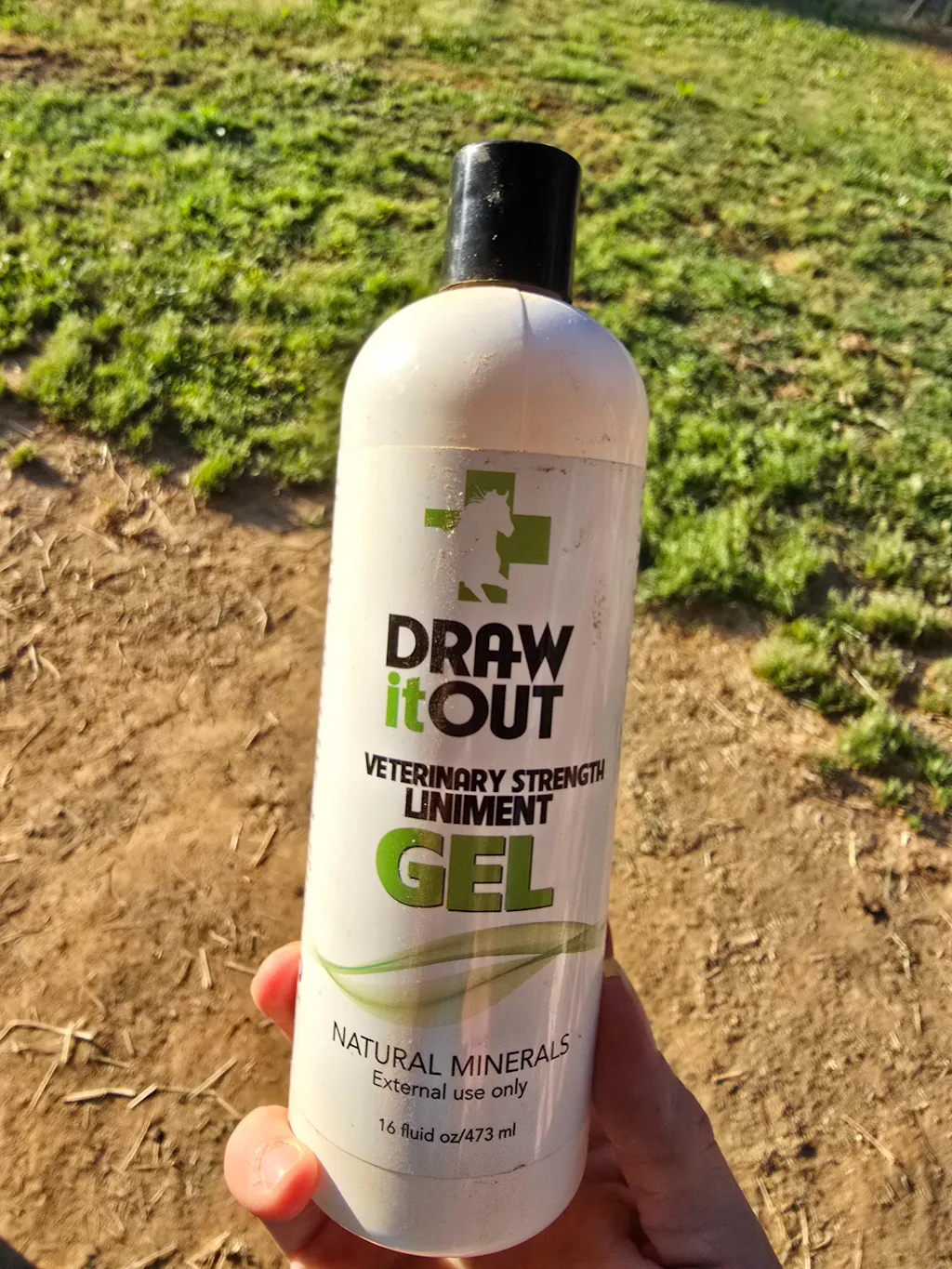
Draw It Out® products are built to support routines: liniment after work, grooming support when skin and coat need attention, hoof care after cleaning, and recovery support when the workload demands more observation. The product should fit the horse’s need, not the other way around.
Bring in your veterinarian or farrier for lameness, fever, persistent swelling, sudden appetite changes, colic signs, breathing distress, wounds, eye problems, deep hoof concerns, or anything that does not feel normal for that horse.
Complete horse care is not fancy. It is loyal, steady, observant work. Feed well. Water well. Move well. Pick feet. Check skin. Manage the environment. Ask for help early.
Educational content only. This article does not replace veterinary, farrier, or nutrition advice.
A daily horse liniment routine should be simple, repeatable, and easy to use after work. Here is how to choose a practical post-ride option.
A practical horse health routine for checking fly sheet rubs, blanket pressure points, shoulder marks, wither areas, belly straps, heat, ...
A practical horse health checklist for stiffness after turnout. Check gait, legs, hooves, heat, swelling, hydration, attitude, and recove...
!