Quick answer: If your horse stocks up after stall time, check whether the filling is even, cool, soft, and improves with movement. Then check workload, turnout, hydration, heat, hoof balance, and any recent routine change. Heat, pain, lameness, one-sided swelling, wounds, or swelling that does not improve should be handled with your veterinarian.
Some horses fill a little after standing in a stall. It can show up after a long night inside, a weather change, a hard weekend, a trailer ride, or a sudden drop in turnout.
The mistake is treating every puffy leg the same.
A good horseman starts with a check, not a guess.
Start with symmetry
Look at all four legs before you touch anything. Is the filling even on both hind legs? Is one leg bigger than the other? Is it low around the fetlock, higher up the cannon, or sitting around a joint?
Even, soft, cool filling that improves after light movement is a very different picture than one hot, painful, one-sided leg.
Use your hands before you use a product
Run your hands down each leg in the same order every time. Start above the knee or hock, move down the cannon, then check the fetlock, pastern, heel bulbs, and hoof.
Ask what changed
Stocking up often follows a routine change. Before blaming the leg, ask what changed around the horse.
Was turnout reduced? Was the horse stalled longer than normal? Did the footing get deeper? Did the horse work harder than usual? Did heat, travel, feed, hydration, or electrolytes change?
The leg is the symptom you can see. The routine is often where the answer starts.
Use movement wisely
If the horse is comfortable, sound, and the legs are cool, light hand walking or turnout can help you see whether the filling improves with circulation and movement.
Do not force work through a questionable leg. If there is heat, pain, obvious lameness, swelling in one leg, or anything that feels wrong, stop and call your veterinarian.
Where liniment gel fits
A routine leg check is about observation first. After that, a topical support product can fit into normal horse care when the horse is comfortable and you are supporting a daily recovery routine.
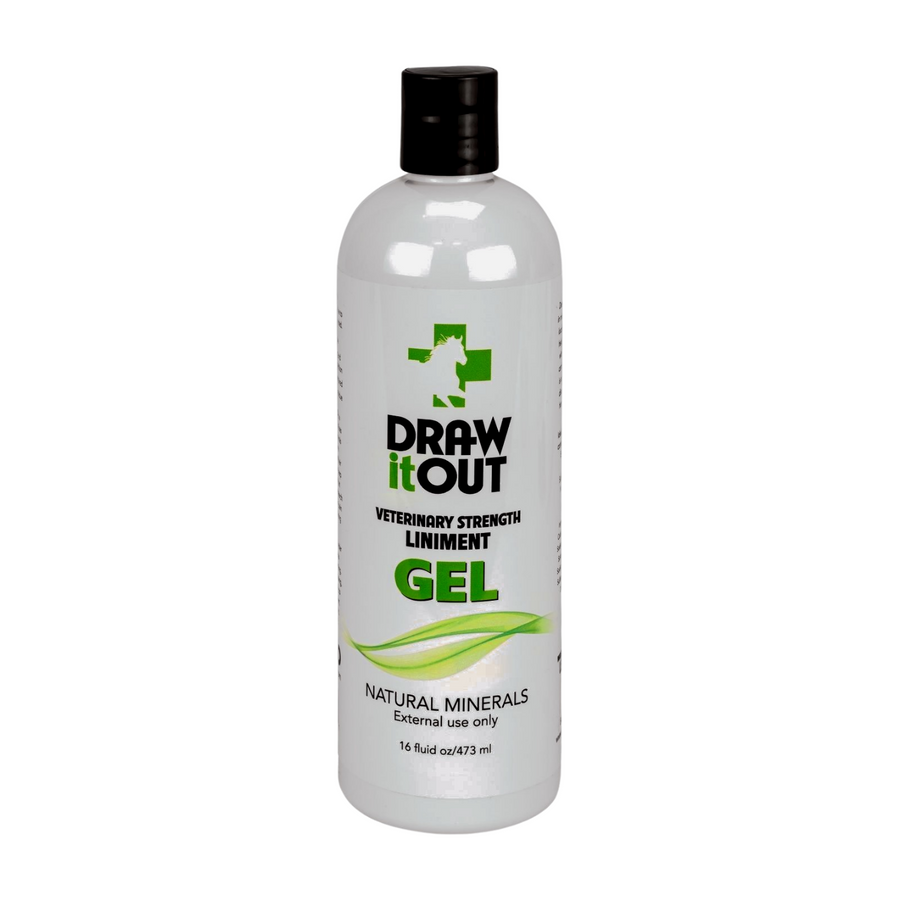
Draw It Out® 16oz Liniment Gel is built for practical, daily horse care routines. It is a fit for riders who want a sensation-free liniment gel without the strong tingle that can complicate sensitive horses or under-wrap decisions.
For larger barns or multi-horse programs, the Draw It Out® Liniment collection gives you the full format path across liniment gel, concentrate, and spray options.
Simple stocking-up check
Look first. Compare all four legs for symmetry, heat, and location of filling.
Touch second. Feel each leg in the same order and note pain response or uneven temperature.
Move carefully. If sound and comfortable, use light movement to see whether soft filling improves.
Support the routine. Build a consistent care path through the Prehabilitation Horse Care collection or use the Draw It Out® Product Path Router if you are not sure where to start.
When to call the vet
Call your veterinarian when swelling is one-sided, hot, painful, sudden, paired with lameness, linked to a wound, or does not improve with appropriate rest and routine management.
Also call when your gut says the horse is not right. That instinct exists for a reason.
FAQ: Horse stocking up after stall time
Is stocking up always an emergency?
No. Some horses develop mild, soft, cool filling after standing. But heat, pain, lameness, one-sided swelling, wounds, or swelling that does not improve deserves veterinary attention.
Should I ride a horse that is stocked up?
Do not ride until you have checked the legs, watched the horse move, and confirmed there is no heat, pain, or unevenness. When in doubt, skip the ride and call your veterinarian.
Can turnout help a stocked-up horse?
If the horse is sound, comfortable, and the legs are cool, light movement or turnout may help soft filling improve. Forced work is not the answer for a questionable leg.
Where does Draw It Out® Liniment Gel fit?
Draw It Out® Liniment Gel fits as part of a normal daily horse care and recovery routine after you have checked the horse and ruled out red flags that need veterinary care.
This article is general horse care education and is not veterinary advice. For sudden swelling, heat, pain, lameness, wounds, infection concerns, or persistent changes, contact your veterinarian.