Jun 03, 2026
Best Barn-Size Horse Liniment for Multi-Horse Homes
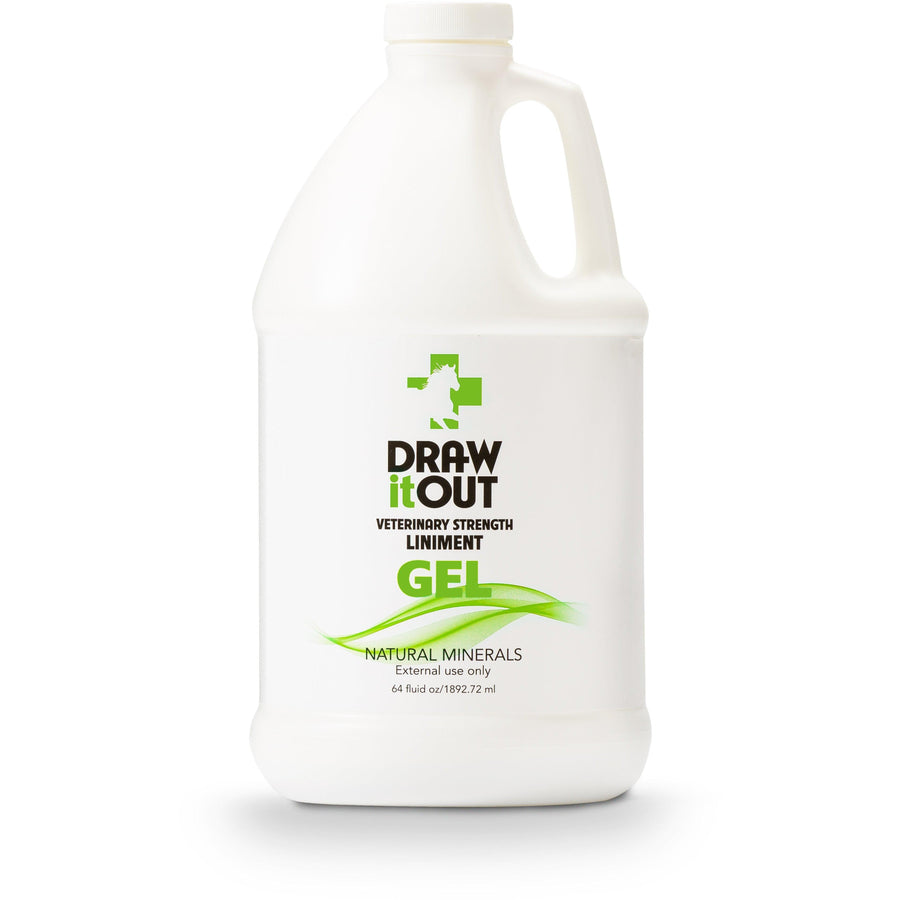
Multi-horse barns need horse-care products that are practical, repeatable, and sized for real use. This guide compares barn-size liniment...

You walk into the barn early in the morning and notice your horse’s legs look thicker than usual. The tendons feel soft and slightly puffy. After ten minutes of walking, the swelling disappears.
This common barn phenomenon is known as stocking up.
For many horses, stocking up overnight is harmless and simply reflects reduced circulation while standing in a stall. But in some cases, swelling in the legs can signal inflammation, injury, or a management issue that needs attention.
Understanding why horses stock up helps riders make smarter daily decisions about turnout, recovery routines, and long-term leg health.
Stocking up refers to fluid accumulation in the lower legs, typically affecting the fetlock and cannon region. Because horses have limited muscle tissue in the lower limb, fluid tends to settle there when circulation slows.
Unlike swelling from injury, stocking up is usually:
The key factor is movement. Once the horse begins walking, the lymphatic system and circulatory system begin moving fluid back through the limb.
The most common cause of stocking up is simple: standing still for long periods of time.
When horses move, muscles act like pumps that help push blood and lymph fluid back toward the heart. In a stall, that pump system slows dramatically.
Fluid then settles in the lower limbs until movement resumes.
Situations that commonly trigger stocking up include:
Many horses that normally live outside will temporarily stock up if their routine changes and they suddenly spend more hours standing in a stall.
While stocking up is common, riders should still evaluate swelling carefully.
Normal stocking up typically has three characteristics:
Swelling may require veterinary evaluation if you notice:
These symptoms may indicate injury, infection, or inflammatory conditions rather than simple circulation changes.
Because stocking up is usually circulation related, management adjustments can significantly reduce the issue.
Turnout allows horses to move naturally throughout the day, which improves circulation and lymphatic drainage in the legs.
Walking the horse for several minutes before and after exercise helps stimulate circulation and supports normal recovery.
Hand walking, turnout paddocks, or splitting turnout into multiple sessions can prevent long periods of immobility.
Hard training days increase the importance of proper cool-down routines and recovery care for the lower limbs.
Resources like the Prehabilitation Guide can help riders build routines that support daily mobility and circulation.
After intense work, the lower limbs may experience mild inflammation or fluid accumulation. Many riders use cooling and recovery routines to help horses return to baseline more quickly.
Applying a liniment gel during cool-down can support the recovery process by helping maintain comfortable, flexible limbs after work.
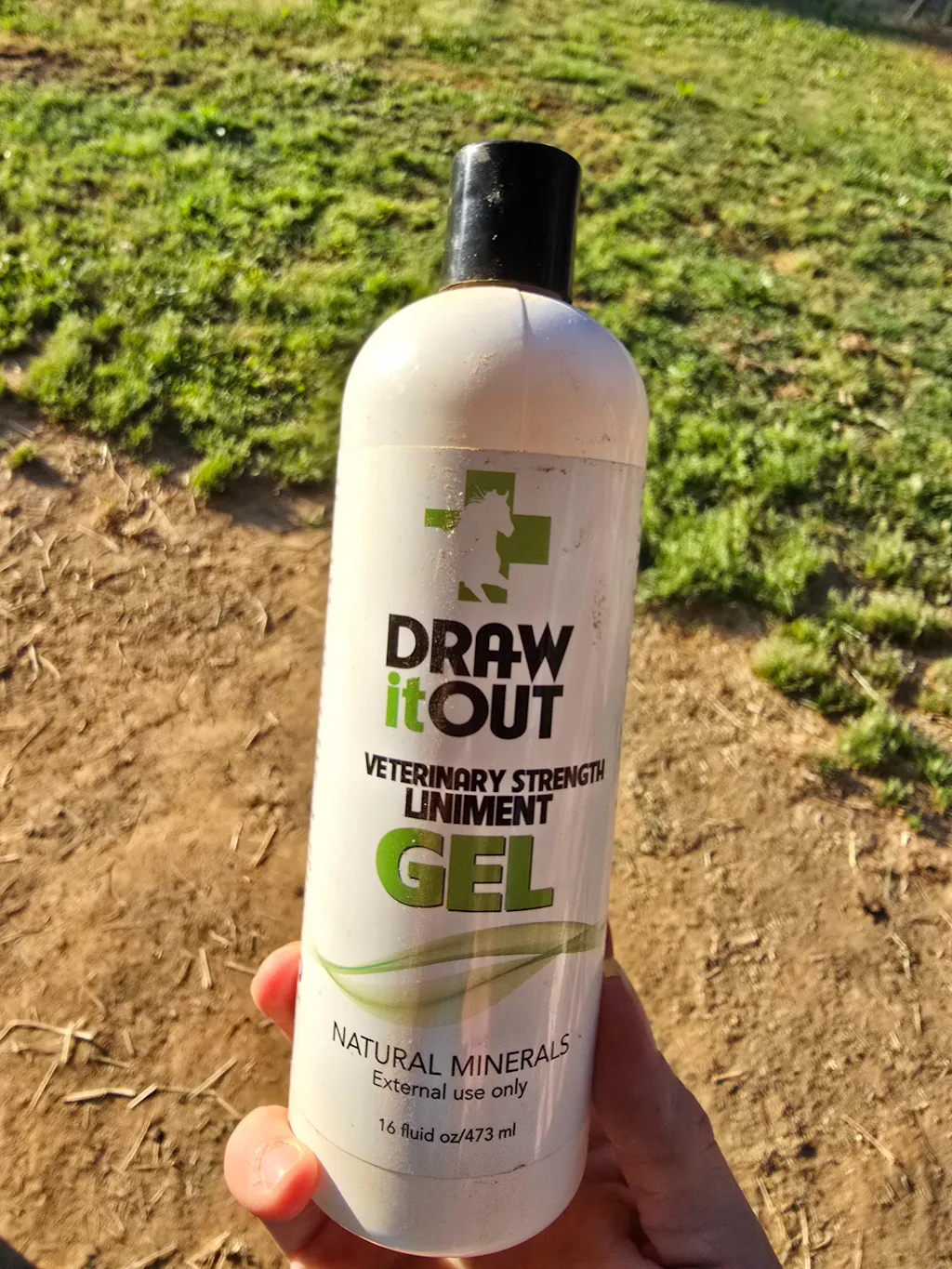
You can explore options in the Draw It Out® Liniment Gel collection, which many riders use as part of a regular post-ride routine.
Consistent routines matter more than occasional treatment.
Riders who maintain a structured daily care plan often see fewer circulation issues, less stiffness, and improved overall performance longevity.
If you are unsure where to start, the Draw It Out® Solution Finder can help identify recovery strategies that match your horse’s workload and environment.
Stocking up overnight is one of the most common things riders notice in stalled horses. In many cases, it is simply the body responding to reduced movement.
The solution is rarely complicated.
Movement, thoughtful daily management, and consistent recovery routines go a long way toward keeping legs comfortable and healthy.
And in most barns, the moment the horse walks out of the stall, the swelling disappears as quickly as it arrived.
Multi-horse barns need horse-care products that are practical, repeatable, and sized for real use. This guide compares barn-size liniment...
A practical horse health guide for checking mild leg filling after stall time, including symmetry, heat, movement, hoof checks, routine c...

A full Draw it Out Horse Health Care News guide to grullo horses, including grullo vs grulla, dun genetics, dorsal stripes, primitive mar...
!