


Jul 11, 2026
Found a Tick on Your Horse? What to Check Before and After Removal
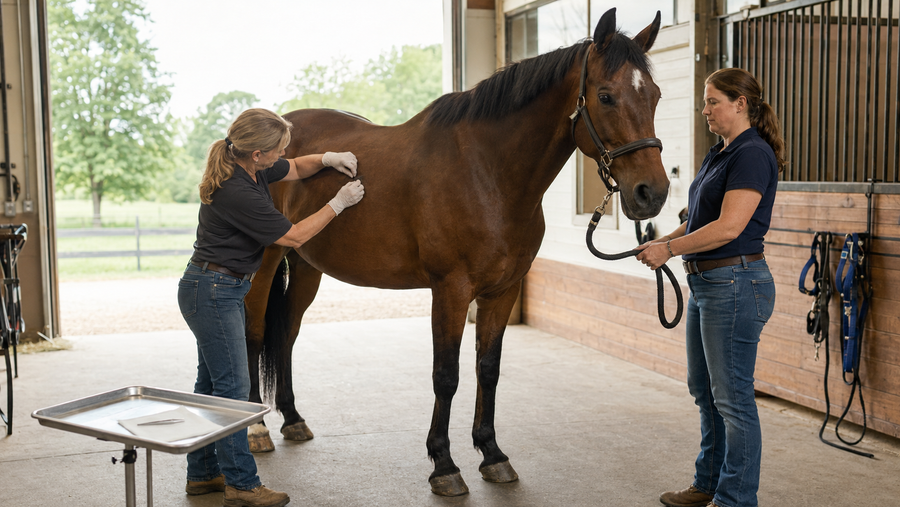
Found a tick on your horse? Inspect the site, remove it safely when appropriate, record the exposure, watch red flags, and know where Cit...

Stillness is harder on the body than most people realize.
In winter, snow, ice, and frozen footing often mean more hours in the stall. While stall rest keeps horses safe from hazardous conditions, it also reduces natural movement—the primary driver of circulation, joint lubrication, and muscle elasticity.
Less movement changes how the body feels.
Movement fuels flow.
When movement drops, stiffness builds quietly.
Cold amplifies restriction.
Lower temperatures already reduce muscle elasticity and slow circulation. Combine that with extended stall time, and tissues have fewer chances to warm, stretch, and reset.
This is where Prehabilitation becomes critical—supporting comfort before stiffness turns into resistance.
These signs often reflect management, not training.
Small habits matter.
Consistency protects comfort.
Recovery doesn’t wait for turnout.
A sensation‑free liniment gel supports circulation and soft tissue comfort without heat or cooling—ideal after prolonged stall rest when tissues are cold and inactive.
Draw It Out® Liniment Gel fits easily into grooming routines, helping release daily stiffness before it compounds.
These areas rely heavily on daily motion.
Management fills the movement gap.
If you’re unsure how to balance stall time with recovery, the Draw It Out® Solution Finder helps align routines with winter conditions and workload.
You can also explore the Horse Liniment Collection to support circulation and comfort throughout winter management.
Even when turnout is limited.
When daily care, intentional movement, and circulation support work together, horses stay looser, more willing, and more comfortable—no matter how long winter lasts.
Modern performance. Proven calm.
Found a tick on your horse? Inspect the site, remove it safely when appropriate, record the exposure, watch red flags, and know where Cit...
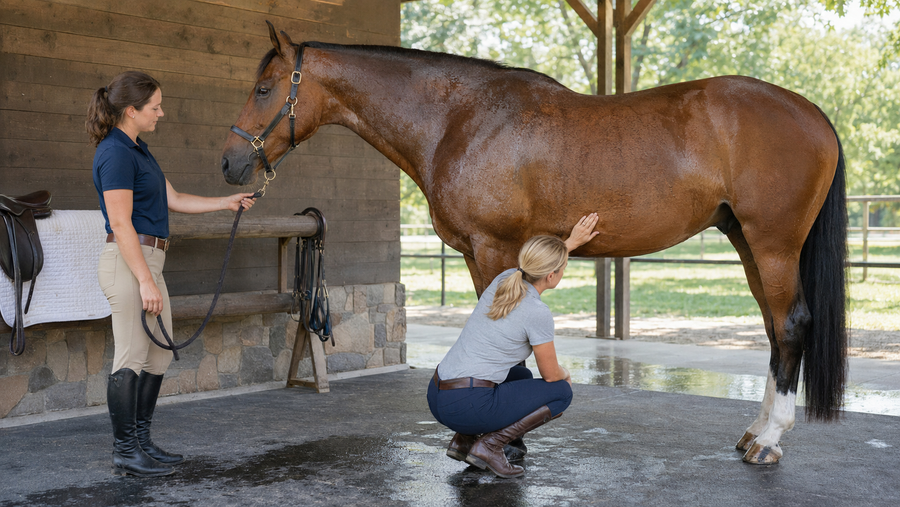
A practical horse health guide for belly sensitivity after summer sweat: midline checks, girth path, fly bites, skin irritation, and when...
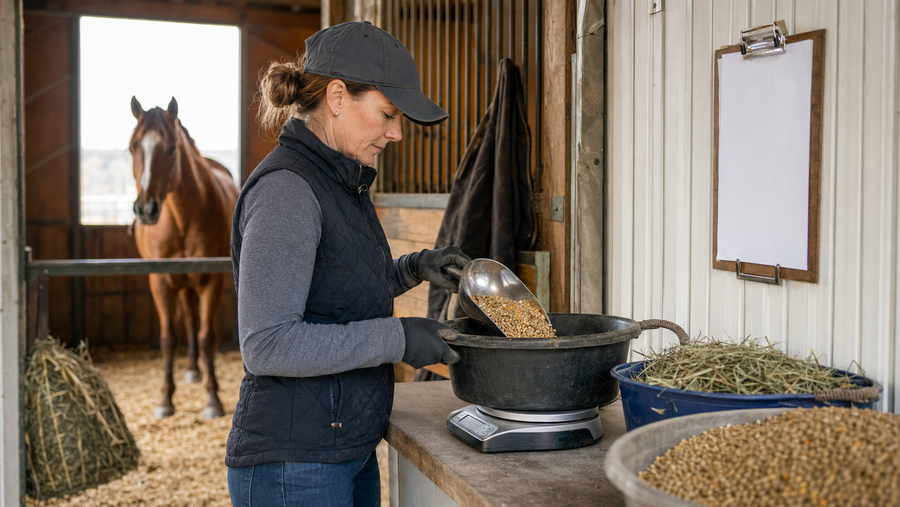
A claim-safe process for building a simple horse supplement routine around one defined need, the complete diet, measurable baselines, and...
!