Jun 04, 2026
What Belongs in a Horse First-Aid Kit?
A practical horse first-aid kit guide for real barns, including when a stay-put horse skin salve like RESTOREaHORSE® makes sense and when...

Long weekends are hard on dogs in quiet ways. More visitors. More truck time. More yard time. More scraps hitting the ground. More excitement than sleep.
After a holiday weekend, reset your dog with a simple five-point check: paws, coat and skin, hydration, appetite, energy, and comfort. Do not overcomplicate it. Look for what changed, give the dog a calmer day, and call your veterinarian if anything looks painful, sudden, infected, or abnormal.
Most dog problems do not announce themselves with drama. They show up as a dog that is a little slower getting up, a paw that gets licked twice too often, a belly that looks irritated, or a coat that hides a burr until it rubs the skin raw.
The point of a routine reset is not panic. It is stewardship. You are looking for small things while they are still small.
Look between the toes, around the pads, and at the nail beds. Holiday weekends usually mean more concrete, gravel, decks, yards, lake edges, or barn ground. Watch for licking, tenderness, debris, redness, cracked pads, or a nail that looks different than it did before.
Do not just look. Feel. Move slowly over the shoulders, belly, armpits, elbows, tail base, and collar area. These are the places where moisture, friction, grass seed, burrs, and skin irritation like to hide.
A dog that played hard, traveled, or spent extra time in heat may need a quieter day and normal access to water. Appetite should come back to normal rhythm. A sudden refusal to eat, repeated vomiting, or unusual lethargy is not a wait-and-see situation.
Do they rise normally? Are they hesitant on stairs? Are they favoring one side? A little tired is one thing. Clear lameness, pain, swelling, or reluctance to bear weight deserves a veterinary call.
Dogs thrive on rhythm. After a loud, busy, people-heavy weekend, a normal walk, normal food, normal rest, and a calmer environment can do more than another round of stimulation.
Practical rule: if the dog seems mostly normal but tired, simplify the day. If the dog seems painful, off, swollen, unusually quiet, or not like themselves, do not try to internet your way through it. Call the vet.
K9 Advanced™ products are built around practical dog care routines, not influencer theatrics. Use them as part of a steady maintenance habit for dogs that live real lives around yards, barns, trucks, trails, and families.
Start with observation first. Then choose the product that fits the job. You can browse the current K9 Advanced™ collection when you are ready to build a simple dog care routine.
Start with the paws, then check the coat, skin folds, collar area, appetite, hydration, and movement. The goal is to notice small changes before they become bigger issues.
Yes, mild tiredness can be normal after extra activity, travel, heat, visitors, or disrupted sleep. Pain, severe lethargy, vomiting, swelling, limping, or refusal to eat should be taken seriously.
Often, yes. A calmer day with normal water, normal food, light movement, and rest can help the dog return to its regular rhythm.
Call your veterinarian if your dog has clear pain, swelling, lameness, wounds, repeated vomiting, abnormal breathing, unusual weakness, or behavior that feels meaningfully different from normal.
Real care is usually boring.
The good owners are not always doing more. Most of the time, they are noticing sooner.
A practical horse first-aid kit guide for real barns, including when a stay-put horse skin salve like RESTOREaHORSE® makes sense and when...
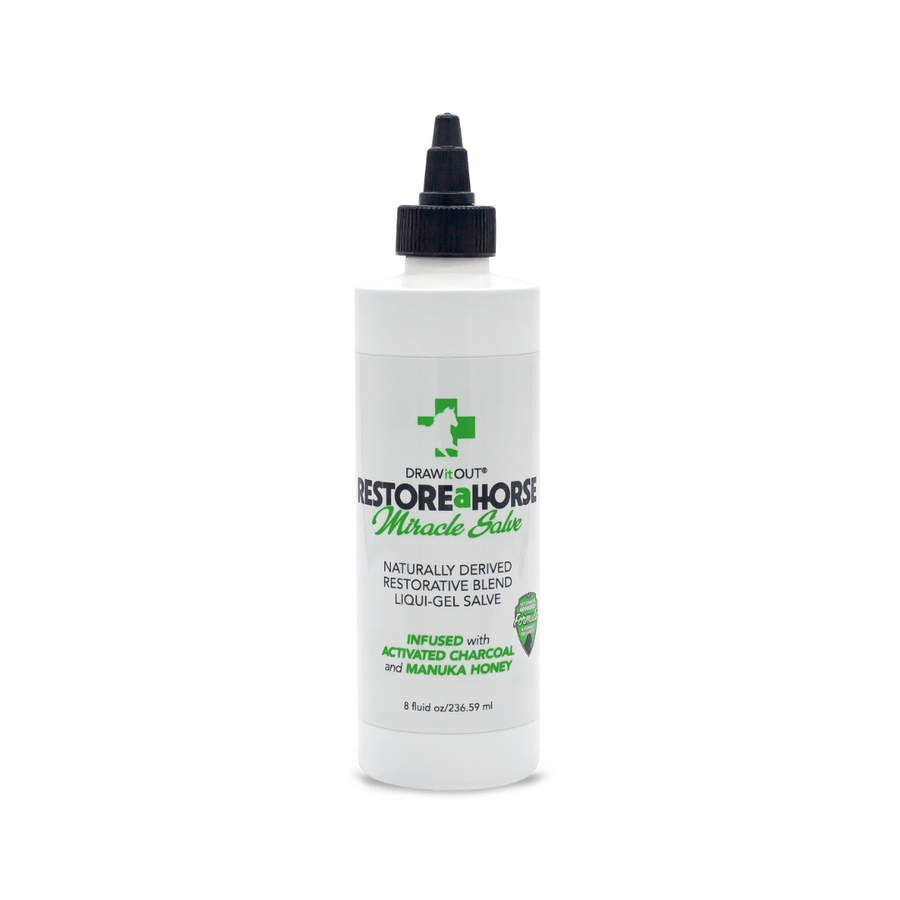
A practical guide to choosing a horse skin salve instead of a spray when targeted, stay-put topical coverage matters in the barn.

A practical horse health routine for checking breathing, sweat, legs, hydration, and recovery when a horse cools out slowly after hot wea...
!