Hot Weather Horse Cool Down Check
When a horse takes longer than normal to cool out after hot weather work, do not guess. Slow down, check the horse in a repeatable order, and separate normal post ride heat from warning signs that need a veterinarian.
Quick answer: If your horse is slow to cool out after hot weather work, check breathing, attitude, sweat, skin temperature, hydration, gum color, legs, hooves, and how quickly the horse returns toward normal after walking, shade, water, and cooling support. Call your veterinarian if the horse seems dull, distressed, unsteady, stops sweating, has abnormal gum color, stays overheated, or does not recover normally.
Hot weather does not forgive sloppy routines. A horse can finish a ride looking fine, then tell the real story in the walk back to the barn.
The point is not to panic every time a horse is warm. The point is to know what normal looks like for that horse, then notice when the cool down takes too long.
Start with breathing and attitude
Before you reach for product, water, or a hose, look at the horse. Is the breathing settling? Is the horse alert? Is the expression normal? Is the horse interested in water, shade, and the handler?
A tired horse can be normal after work. A dull, distressed, unsteady, or mentally absent horse is different.
Check sweat pattern and skin temperature
Sweat matters, but it has to be read in context. A sweaty horse after work can be normal. A horse that should be sweating but is not sweating is a different concern. A horse that stays hot and does not trend back toward normal after walking, shade, and cooling support needs attention.
Use the first ten minutes wisely
The first ten minutes after work are not dead time. They are information. Walk the horse, loosen tack, get to shade, offer water in a practical way, and watch whether the horse starts returning toward normal.
If the horse is not trending in the right direction, do not keep waiting just because you want it to be fine.
Cool the horse, then reassess
A smart cool down is not complicated. Get air moving. Use shade. Walk appropriately. Offer water. Rinse or sponge as needed. Scrape excess water when appropriate. Keep checking the horse instead of assuming the job is done.
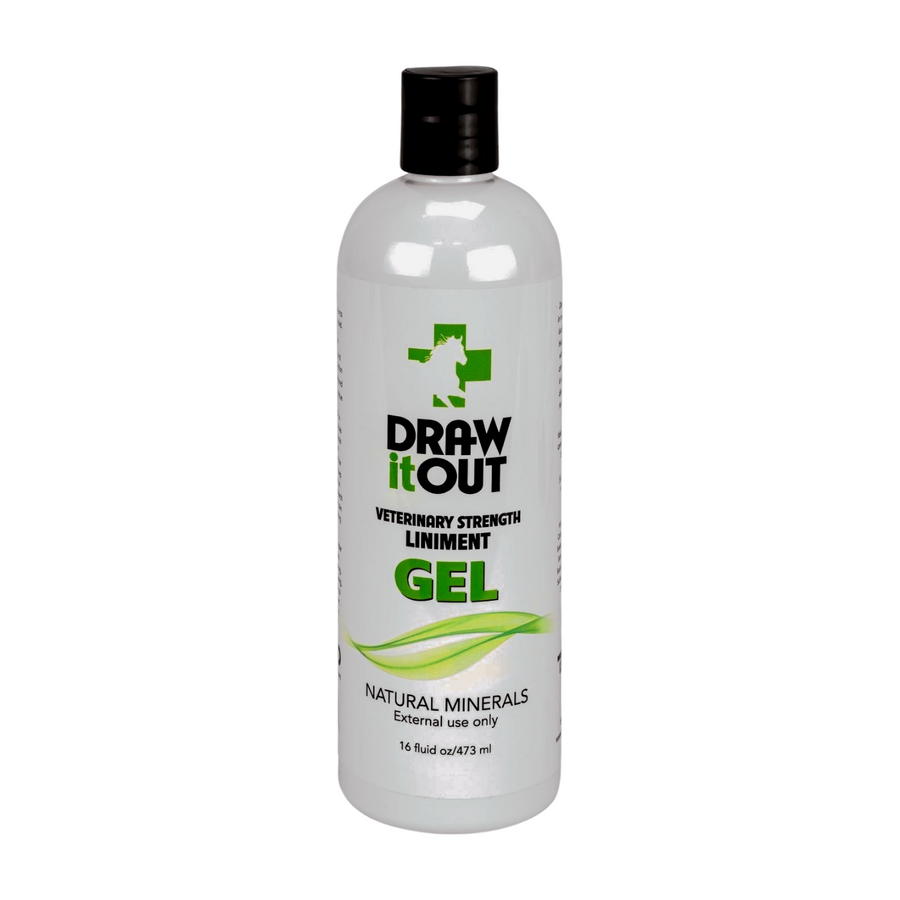
For barns that want a wash rack product for hot day routines, IceBath™ 128oz Cooling Body Wash Refill fits the larger-format cooling body wash path. For post ride topical support after the horse has cooled and been checked, the Draw It Out® 16oz Liniment Gel fits daily horse care routines.
Do not turn routine into tunnel vision
Products support routines. They do not replace horsemanship. If the horse is showing red flags, the next step is not a better grooming product. The next step is a veterinarian.
IceBath™ 128oz Cooling Body Wash Refill
Draw It Out® 16oz Liniment Gel
Draw It Out® Liniment collection
Simple hot weather cool down routine
Look first. Breathing, expression, balance, sweat, and attitude.
Cool practically. Shade, walking, water, rinsing, scraping, and airflow.
Recheck. Legs, hooves, gums, hydration, and whether the horse is trending back toward normal.
Route the next step. Use the Draw It Out® Solution Finder, the Horse Prehabilitation Routine, or the Prehabilitation Horse Care collection if you need a structured care path.
When to call the vet
Call your veterinarian if the horse seems distressed, weak, unsteady, dull, stops sweating, has abnormal gum color, has labored breathing that does not improve, stays overheated, refuses water in a concerning way, or simply does not feel right to you.
Good horse care is not waiting until the problem becomes obvious to everyone else.
FAQ: Hot weather horse cool down checks
How long should it take a horse to cool down after hot weather work?
It depends on the horse, workload, fitness, humidity, shade, airflow, and water access. The key is whether the horse is steadily trending back toward normal. If recovery stalls or the horse looks distressed, call your veterinarian.
What should I check first after riding in the heat?
Start with breathing, attitude, sweat, skin temperature, hydration, gum color, legs, hooves, and how the horse responds to walking, shade, water, and cooling support.
Can I use IceBath™ after hot weather riding?
IceBath™ Cooling Body Wash fits hot day wash rack routines when used according to label directions. It should support a sensible cool down routine, not replace monitoring the horse.
Where does liniment gel fit after a hot ride?
Draw It Out® Liniment Gel fits post ride daily care after the horse has been cooled, checked, and is not showing red flags that require veterinary attention.
This article is general horse care education and is not veterinary advice. For heat stress concerns, distress, abnormal sweating, labored breathing, weakness, lameness, swelling, illness, or any persistent change, contact your veterinarian.