

Jul 09, 2026
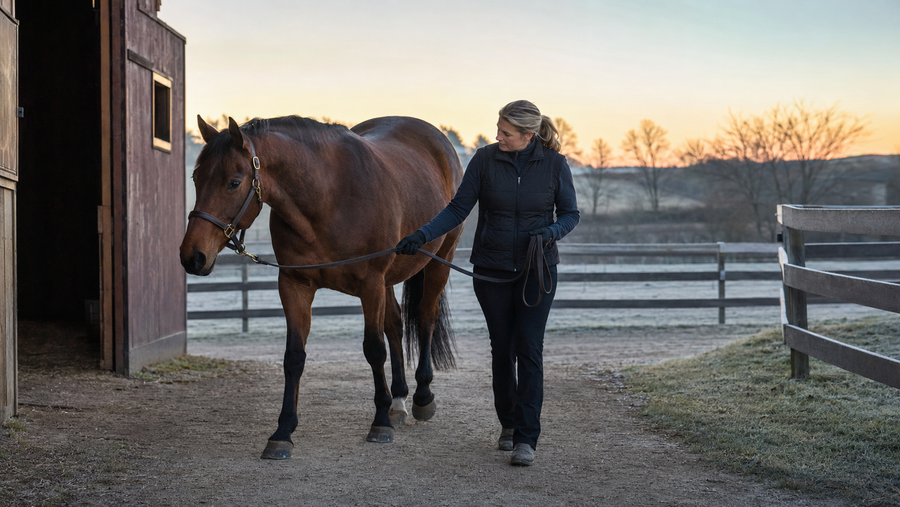
The Morning-After Mobility Check: What Your Horse Tells You Tomorrow
A next-morning horse check for movement, feet, limbs, hydration, appetite, recovery, professional-care red flags, and ordinary topical care.

A dry nose does not always mean something is wrong. Sometimes it means your dog has been in wind, sun, dry indoor heat, rough weather, or just living normal dog life. The real win is not panic. The real win is a calm routine you can actually repeat.
 Quick read
Most rough dog noses come down to exposure, dryness, and inconsistency. Keep the nose clean, apply a thin dog-safe balm to the dry outer surface, and stay steady. Do not put product inside the nostrils. If the area is bleeding, rapidly worsening, or paired with bigger symptoms, call your veterinarian.
Dogs usually get dry noses from weather, dry air, sun, friction, age, breed tendencies, or simple day to day exposure. A thin layer of dog-safe nose balm on the outer dry area, applied consistently, is often the easiest routine to maintain. Keep it out of the nostrils and contact your veterinarian if the nose is bleeding, painful, rapidly worsening, or paired with other signs of illness.
A lot of dog owners still think a dry nose automatically means a sick dog. That is too simplistic. Nose texture changes through the day. Sleep, weather, indoor heat, sun, wind, low humidity, and environmental exposure can all leave the outer surface looking rougher than usual.
What matters more is pattern. A nose that looks mildly dry after a long day outside is different from a nose that stays rough, starts cracking, becomes tender, or seems to worsen every week. That is when a simple daily care routine becomes useful.
Cold air, wind, summer sun, and heated indoor spaces all pull moisture away from the surface of the nose.
Digging, rooting, trail time, bedding dust, food residue, and repeated surface contact can make the nose look rough fast.
Most noses do not need a complicated rescue plan. They need light maintenance done before the area gets angry.
Some dogs seem to need help here more than others. Older dogs, dogs exposed to harsh weather, dogs with rough-and-tumble outdoor routines, and dogs whose noses dry out in winter or under indoor heat often benefit from a steadier approach. The goal is not to make the nose glossy. The goal is to keep it from turning into a recurring rough patch.
The best dog nose balm routine is boring. That is a compliment. If it is dramatic, sticky, messy, or hard to repeat, it usually fails.
If the nose dryness is part of a broader skin and coat pattern, start with the full Dog Care Start Here page, then build from there.
Some dogs only need nose support. Others show a bigger pattern that includes paws, elbows, belly exposure, or seasonal skin irritation. That is where the rest of the K9 Advanced line comes in.
Best when the main issue is a rough, dry, weather-stressed nose that needs a fast daily step.
View productGood for broader daily comfort routines involving skin, coat freshness, and post activity support.
View productUseful when dry, rough areas keep showing up on multiple zones like paws, elbows, and other repeat problem spots.
View productThis is the same logic behind the whole K9 Advanced collection. Dogs do better with routines that fit real life. Clean step. Thin application. Calm timing. Repeat. That is how you build something a household can stick with.
If you are not sure whether your dog only needs nose support or needs a broader dog-care path, use the Solution Finder. If your general care philosophy is to stay ahead of problems instead of waiting for a blowup, that is the same mindset behind our prehabilitation approach.
Every K9 purchase also supports dogs in need through the Angus Angels Fund. So the routine is not just practical. It helps another dog too.
Not always. A dog’s nose can look drier after sleep, weather exposure, indoor heat, or a long day outside. What matters more is whether the dryness is persistent, worsening, painful, or paired with other symptoms.
Common causes include wind, sun, cold, dry air, rough outdoor exposure, age, and routine neglect of a spot that keeps drying out. Some dogs simply need more frequent maintenance than others.
Use a dog-safe nose balm designed for the outer nose surface. Apply a thin layer to the dry area only, keep it out of the nostrils, and stay consistent instead of overapplying.
Most owners do best with light, repeatable use. Daily application is often easier and more effective than waiting until the nose looks severely rough.
No. Support the dry outer surface only. Keep product away from the nostrils, eyes, and mouth.
Contact your veterinarian if the nose is bleeding, painful, significantly thickened, rapidly worsening, producing discharge, or if the dryness is paired with lethargy, appetite changes, fever, or other signs your dog is not acting right.
If your dog only needs a simple nose routine, start with the balm. If you are seeing a bigger skin and coat pattern, move up to the full K9 route.
Educational only. External use only. Keep product out of eyes and inside the nose. If your dog’s condition worsens, spreads, or looks painful, contact your veterinarian.
A next-morning horse check for movement, feet, limbs, hydration, appetite, recovery, professional-care red flags, and ordinary topical care.
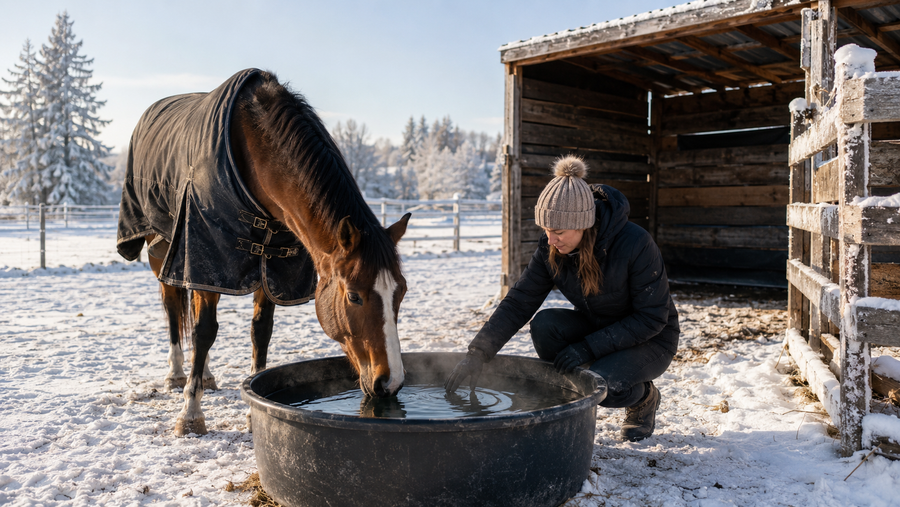
A practical winter horse hydration guide covering water access, measured intake, salt, manure, electrolyte decisions, and veterinary red ...
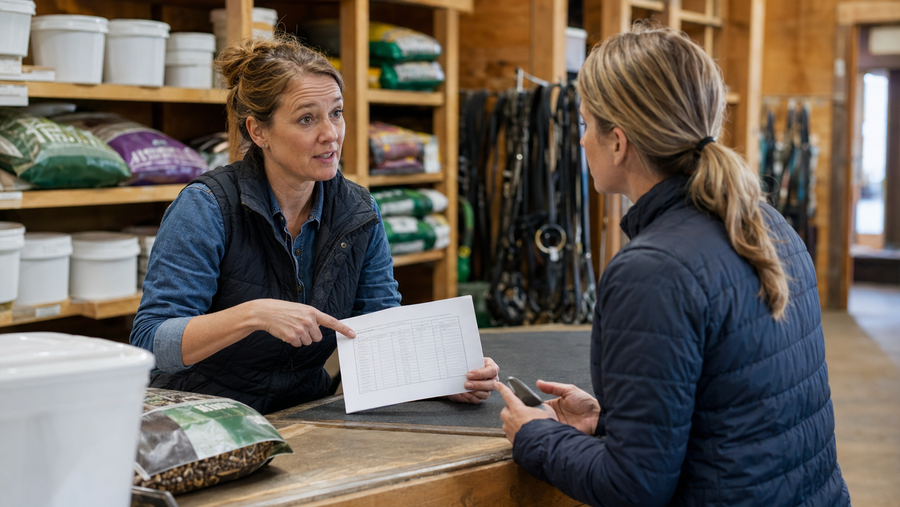
Claim-safe dealer language for horse supplement categories, dated inventory checks, staff boundaries, and clinical red-flag handoffs.
!