

Sep 09, 2026
The Three Fs Every Horse Deserves: Friends, Forage, and Freedom
Before another supplement, gadget, or training fix, look at the foundation. Friends, forage, and freedom give horses more of what they ne...

Most barn problems do not start because nobody cared. They start because nobody wrote down what changed.
A useful barn note records what changed, what was done, and what tomorrow’s rider should check first. Keep it simple: work, footing, heat, hauling, water, appetite, attitude, legs, body notes, products used, and the next decision point.
Memory is not a system. Good intentions are not a system. Telling someone while they are carrying feed, answering a text, or dragging a hose is not a system.
A barn note does not need to be pretty. It needs to be clear enough that the next person knows what to watch, what was already done, and what should not be ignored.
Bay mare — June 13: Hauled 90 minutes, worked lightly, footing was deeper than expected. Walked out normal but slower to loosen left. Drank after cooling out. Checked legs and shoulders. Used Draw It Out® Gel on left shoulder and both front legs after cleanup. Tomorrow: watch first walk and left turn before saddling.
The best note system is not a three-page diary. It is a repeatable habit. Use a whiteboard, stall card, shared note, binder, group text, or whatever the barn will actually use. The tool matters less than the discipline.
If a product was used, write down which product, where it was applied, and why it was chosen. That keeps tomorrow’s care consistent and prevents the next person from guessing. For label-specific routines, point riders to the Draw It Out® Product Use Guides instead of relying on memory.
Do not write vague notes like “seemed off,” “watch him,” or “used stuff.” Those notes create more guessing, not less.
Better: “short first steps after haul, no obvious heat, checked fronts, recheck before turnout.” That note gives the next rider a starting point.
If the note involves obvious lameness, strong heat, swelling, severe pain, fever, colic signs, injury, worsening symptoms, or anything that makes you uneasy, do not just leave a note. Contact the responsible person and involve the veterinarian, farrier, or qualified professional as needed.
Write what changed, what was done, and what tomorrow’s rider should check first.
Short enough to actually happen, but clear enough to prevent guessing.
When the issue is painful, unsafe, worsening, urgent, or outside your experience. That needs direct communication and qualified help.
They run on clear handoffs. Write the note before the clue gets lost.
Before another supplement, gadget, or training fix, look at the foundation. Friends, forage, and freedom give horses more of what they ne...

A Labor Day tribute to the unseen work of real riders: early mornings, late nights, hard choices and the daily responsibility of putting ...
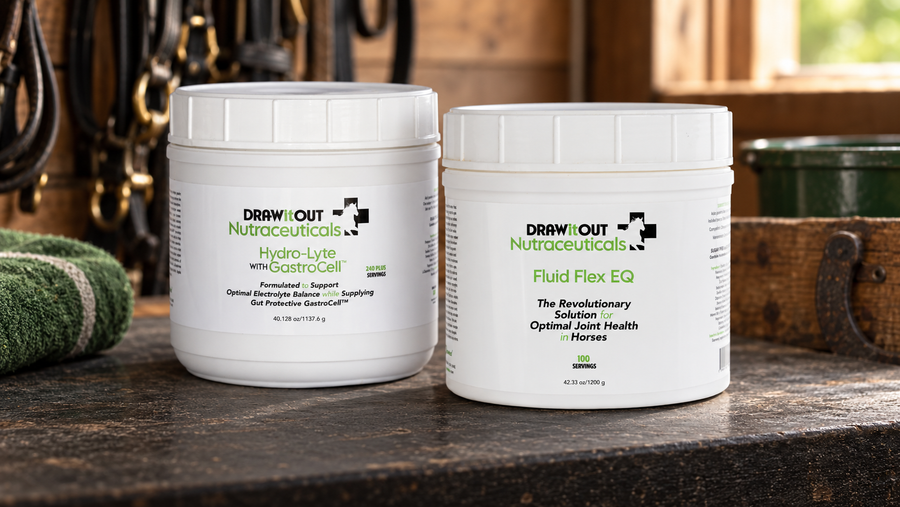
See every declared ingredient in Hydro-Lyte® and Fluid Flex EQ®, why it is included, how each formula differs, and what the Draw It Out® ...
!