


Jul 19, 2026
How to Adjust the Plan When the Horse Feels Heavy
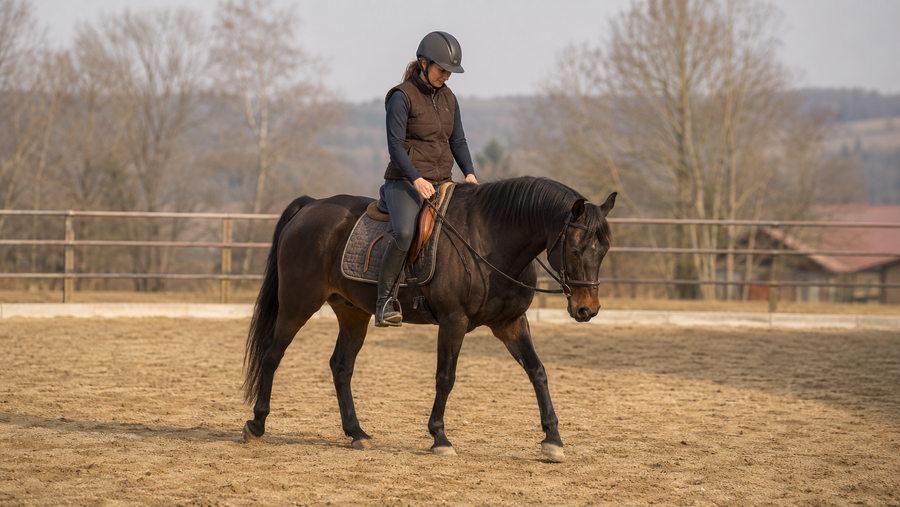
When a horse feels heavy, separate balance, rhythm, rider contact, fatigue, footing, tack, confusion, and pain before adding pressure.

Most good rides start before the saddle pad hits the horse. They start in the little pause where a rider notices what kind of horse is standing in front of them today.
A five-minute barn check is a simple pre-ride habit: watch the horse move, read their attitude, check legs and body, confirm tack fit, and decide whether today calls for work, light movement, or a recovery-first plan. It is not complicated. It is just consistent.
Real riders do not need a perfect facility, a polished routine, or a camera crew. They need a horse that feels seen. This check helps you catch small changes before you ask for more.
Before grooming, before tacking, before deciding what the ride should be, watch the first few steps. Notice how your horse walks out of the stall, pasture, trailer, or cross ties.
A horse can be fresh, tired, worried, sore, distracted, or simply having a day. The trick is not to label every reaction as bad behavior. The trick is to ask what changed.
Alert, forward, responsive, but still willing to settle into the job.
Guarded, unusually dull, reactive to touch, reluctant to move forward, or defensive during routine handling.
Run your hands over the neck, shoulders, back, loin, hip, major muscle groups, legs, and feet. You are not trying to diagnose every little thing. You are building a baseline.
Heat, swelling, sensitivity, new rubs, missing shoes, packed feet, or a change in how your horse reacts to touch all deserve attention before you ride.
Sometimes the horse is not the problem. The routine is. Check the saddle pad, girth area, cinch fit, bridle, bit, boots, wraps, and anything that touches the horse.
One wrinkle, one rub, one piece of grit, or one rushed tack job can turn an ordinary ride into an avoidable problem.
The check only matters if it changes your decisions. Some days the horse is ready to work. Some days they need a longer warm up. Some days they need light movement. Some days they need rest and a phone call to the vet.
The best barn routines do not make riders nervous. They make riders clearer. When you know what is normal for your horse, you can spot what is not normal faster.
For a guided product direction, use the Draw It Out® Solution Finder. For building a smarter daily support system, read the Horse Prehabilitation Guide. To browse practical support options, visit the Draw It Out® Equine Care collection.
Watch movement, read attitude, check legs and body, inspect feet, and confirm tack fit before you ride.
A practical check can take five minutes once it becomes habit. The value comes from doing it consistently.
If something feels mildly different, light movement and observation may be appropriate. If your horse is lame, painful, swollen, feverish, or clearly not right, call your veterinarian.
A baseline helps you know what is normal for your horse so small changes become easier to notice.
This article is educational and is not veterinary advice. Contact your veterinarian when your horse shows signs of injury, illness, lameness, severe pain, or a problem that does not improve.
When a horse feels heavy, separate balance, rhythm, rider contact, fatigue, footing, tack, confusion, and pain before adding pressure.
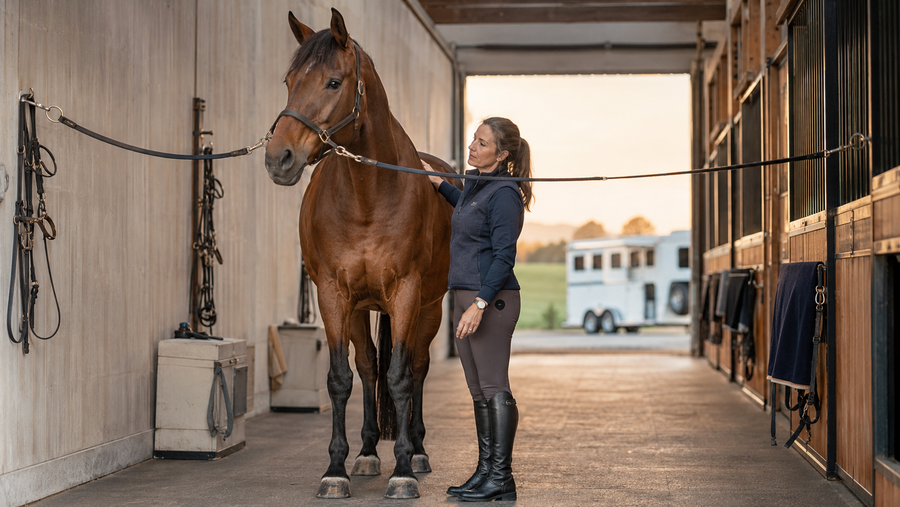
Prepare for a riding clinic with a calm check of health, feet, legs, tack, hauling, water, goals, workload, cooling, and next-day recovery.
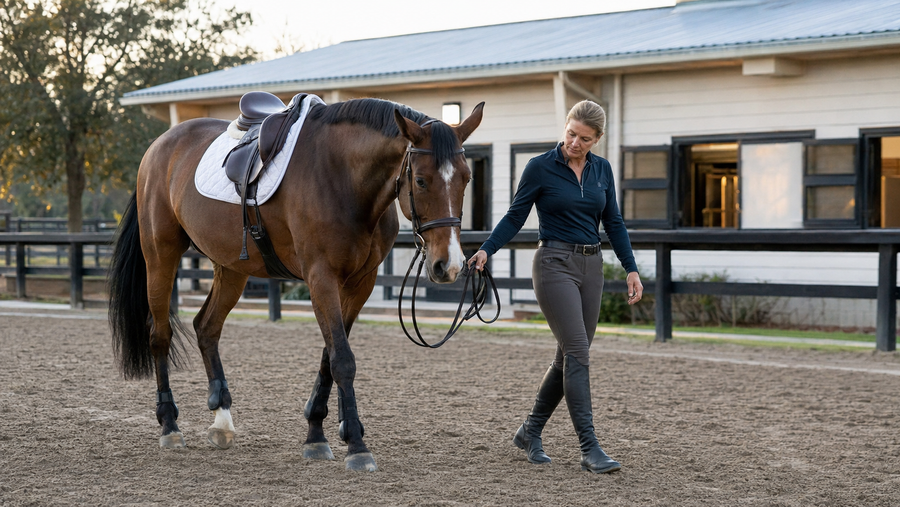
When a horse feels one step behind, check cue clarity, rhythm, balance, rider timing, fatigue, heat, footing, tack, pain, and recovery.
!