Horse Liniment Guide: What It Is, When to Use It, and How to Choose the Right Format
Horse liniment is one of the most common tools in the tack room, but it gets overcomplicated fast. This guide keeps it practical: what liniment is, when riders use it, how the formats differ, and how to build a repeatable routine around your horse instead of chasing noise.
Horse liniment is a topical product riders use after work, after hauling, or as part of a consistent care routine. A liniment gel is best for targeted application, spray is useful for faster coverage, and concentrate fits barns that want adjustable mixing and more volume.

Start here before you choose a bottle
Most riders do not need a more dramatic routine. They need a cleaner one. Liniment should help you stay consistent after work, travel, or heavier training days. It should not turn normal horse care into a guessing game.
What is horse liniment?
Horse liniment is a topical product applied to areas like legs, backs, shoulders, and hindquarters as part of a rider’s care routine. Riders commonly use liniment after exercise, after hauling, or during normal barn care when they want a repeatable comfort-support step.
The important part is the routine around it. A good liniment program is not judged by how loud it feels, how strong it smells, or how complicated the process gets. It is judged by whether it fits your horse, your workload, and your ability to repeat the same process clearly.
What riders usually want liniment to help with
- Post ride consistency: a repeatable step after work.
- Targeted care: product applied where the horse needs attention.
- Hauling routines: a simple step after standing in the trailer.
- Training programs: a steady habit around harder work days.
For heat, swelling, lameness, wounds, strong digital pulse, or sudden changes, stop guessing and involve your veterinarian.
Liniment gel, spray, or concentrate?
The best format depends on how you actually use the product. Format matters because a good routine has to be easy enough to repeat when you are tired, in a hurry, or working through a full barn.
Liniment gel
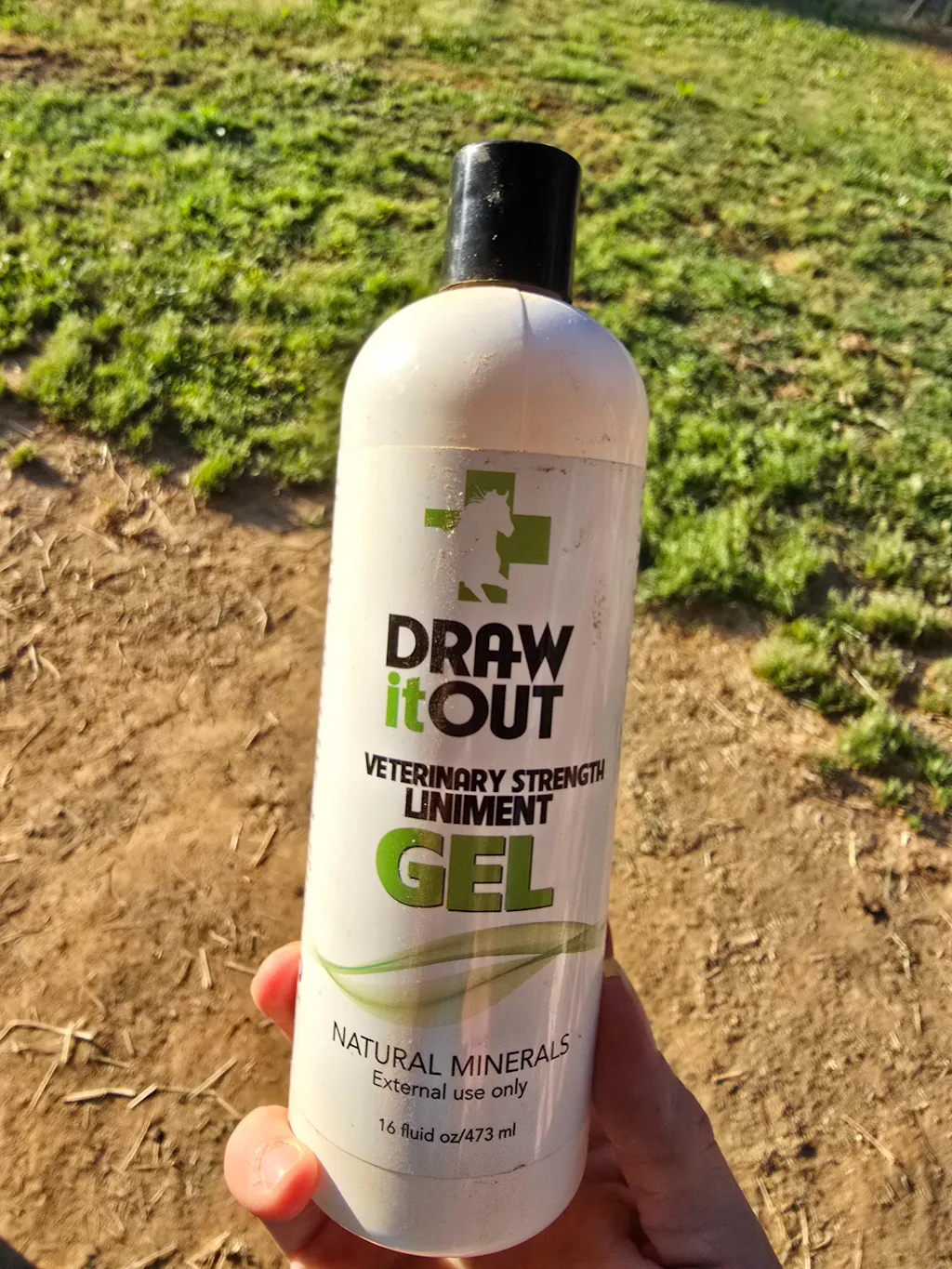
Best for targeted application. A liniment gel stays where you put it and fits cleanly into post ride routines.
Shop 16oz liniment gel
Concentrate
Best for barns that want adjustable mixing, refill routines, or broader coverage from one bottle.
Shop 32oz concentrateQuick format guide
- Choose liniment gel when you want precision and less mess.
- Choose spray when you want fast coverage and simple application.
- Choose concentrate when you want adjustable strength and better barn volume.
When should you use horse liniment?
Most riders use liniment after the work is done. That keeps the routine clean and easy to evaluate. You ride, cool out, apply, and repeat the same process often enough to know what normal looks like for that horse.
- After exercise: the most common use case.
- After hauling: useful when a horse has been standing and needs a normal care routine.
- During heavier training blocks: a way to keep care consistent.
- Before wrapping: only when the product directions and your wrapping routine match.
How to apply horse liniment
Application does not need to be complicated. The same basic rules solve most problems.
Basic application routine
- Start with clean, dry skin.
- Apply a light, even layer.
- Use steady contact instead of aggressive rubbing.
- Give the product time to settle before adding wraps, pads, or tack.
- Repeat the same routine long enough to judge it clearly.
Where riders commonly apply liniment
- Legs: common after work or hauling.
- Back: used carefully as part of post ride care.
- Shoulders: common around horses that work hard through the front end.
- Hindquarters: useful for targeted routines after harder work.
Avoid eyes, mucous membranes, irritated skin, and any area where product directions tell you not to apply.
Common mistakes with horse liniment
Most liniment problems come from making the routine too loud, too heavy, or too inconsistent.
- Using more product than needed.
- Stacking several topicals at once.
- Wrapping incorrectly or trapping unnecessary heat.
- Changing the routine every ride.
- Applying over irritated or compromised skin.
- Judging quality by burn, smell, or sensation instead of routine fit.
How Draw It Out® fits this routine
Draw It Out® is built for riders who want a calmer, repeatable system. No burn. No tingle. No alcohol-forward routine. Just a practical line of liniment products designed to fit real barns, real horses, and repeat use.
Simple post ride liniment routine
- Cool the horse out properly.
- Check legs, back, and major muscle areas.
- Apply liniment gel to targeted areas or use concentrate for broader routines.
- Let the product settle.
- Keep notes when something feels different.
Where to go next
This guide explains the category. These pages help you choose the right next move.
Horse Liniment FAQs
What is horse liniment?
Horse liniment is a topical product riders apply to areas like legs, backs, shoulders, and hindquarters as part of a post ride, hauling, or daily care routine.
When should I use horse liniment?
Most riders use horse liniment after exercise, after hauling, or as part of a consistent care routine. The best timing is the one you can repeat without adding confusion.
Is liniment gel better than liquid liniment?
A liniment gel is usually better for targeted application because it stays where you put it. Liquid or concentrate formats can be better for broader coverage or barn mixing routines.
Can horse liniment be used under wraps?
Only when the product directions and your wrapping routine are compatible. Keep application light, avoid trapping excessive heat, and do not wrap over irritated skin.
What is the biggest mistake riders make with liniment?
The biggest mistake is overcomplicating the routine. Too much product, too many topicals, or changing the process every ride makes it harder to know what is actually working.
How do I choose the right Draw It Out® liniment format?
Choose liniment gel for targeted application, spray for speed, and concentrate for adjustable barn routines. The Solution Finder can help match the format to your horse and workload.
Informational only. Always follow product directions. For persistent soreness, lameness, heat, swelling, wounds, strong digital pulse, or sudden changes, consult your veterinarian.