
Sep 06, 2026
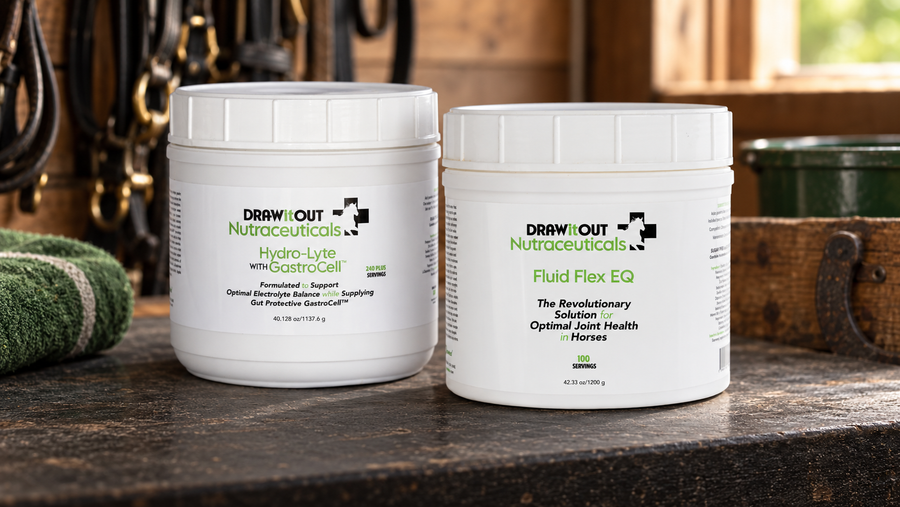
What’s in Hydro-Lyte® and Fluid Flex EQ®? The Name on the Front Matters
See every declared ingredient in Hydro-Lyte® and Fluid Flex EQ®, why it is included, how each formula differs, and what the Draw It Out® ...

July is where smart riders stop guessing and reset the plan before heat, harder ground, hauling, and long days start making decisions for them.
Real riders do not build good horses by pretending everything is fine. They notice small changes early, write down what changed, and make a fair decision before the horse has to get louder.
The July Riding Reset: What Real Riders Check Before the Month Gets Hot starts with observation. Check current workload, water and salt routine, legs after work, compare it to the horse's normal baseline, and change the plan before asking for more.
This is not about making barn life complicated. It is about making the work honest. Horses live inside patterns: weather, footing, tack, water, hauling, feed, rider mood, and recovery all leave fingerprints. When a rider ignores those fingerprints, the horse usually pays.
Before adding pressure, add clarity. Walk the horse. Check both sides. Look at feet, legs, back, tack marks, water, manure, appetite, attitude, and how the horse recovered from the last ride. Then decide whether today is a work day, an easy day, a hand-walk day, or a call-for-help day.
Draw It Out® products belong inside a thinking barn routine, not in place of one. Start with the Horse Health Library and the What Does My Horse Need? guide when sorting out what kind of support makes sense. If the horse needs external post-ride support, use the active horse liniment collection to choose the right format.
Call your veterinarian, farrier, saddle fitter, trainer, or another qualified professional when the pattern is painful, unsafe, worsening, repeated, or outside your lane. Real riders bring in the right help before pride makes the problem bigger.
The July Riding Reset: What Real Riders Check Before the Month Gets Hot starts with observation. Check current workload, water and salt routine, legs after work, compare it to the horse's normal baseline, and change the plan before asking for more.
Track current workload, water and salt routine, legs after work, back and girth area, feet on dry or hard ground, how fast the horse settles after riding, plus weather, footing, workload, and next-day recovery.
Ask for qualified help when a pattern is painful, unsafe, worsening, repeated, or outside your experience.
Good care is quiet, consistent, and honest. Check the horse. Change the plan when the horse tells you to. Then show up tomorrow with the same discipline.
See every declared ingredient in Hydro-Lyte® and Fluid Flex EQ®, why it is included, how each formula differs, and what the Draw It Out® ...
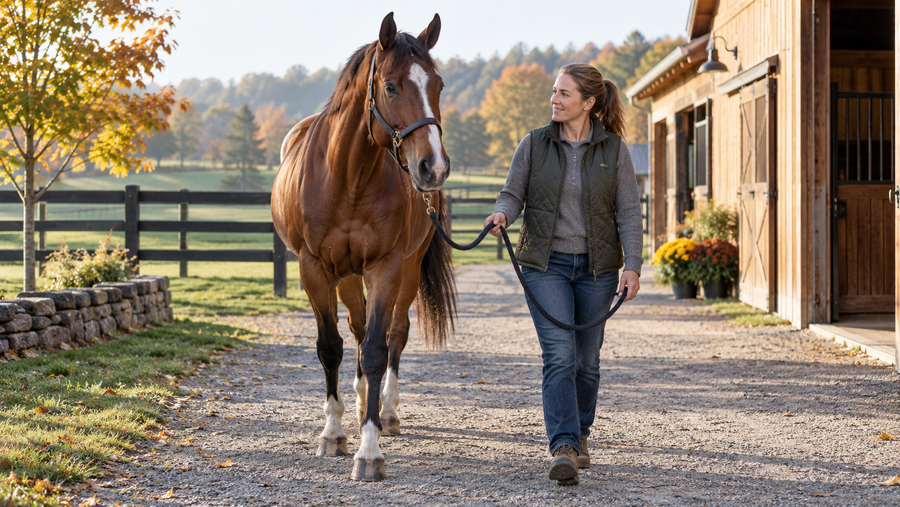
A year-round horse joint supplement can fit an individual plan, but consistency, label discipline, seasonal management, and regular revie...
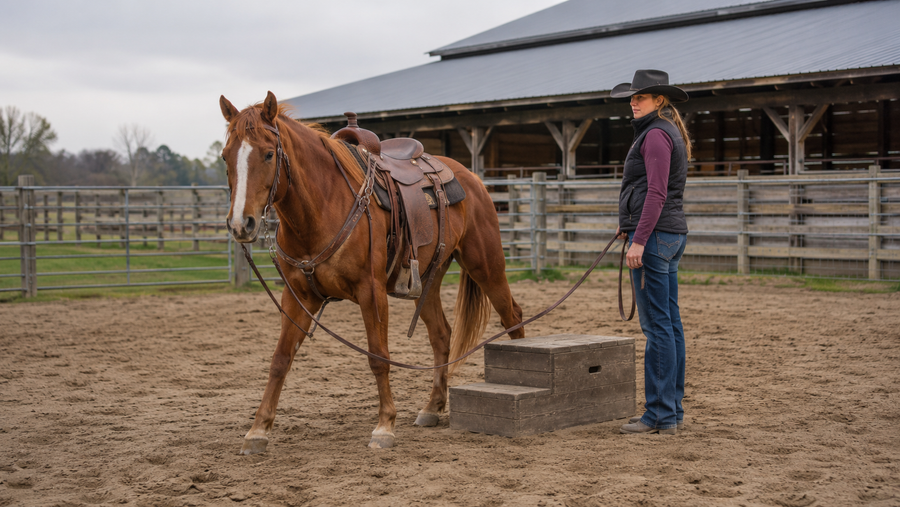
If a horse suddenly steps away from the mounting block, check comfort, tack, footing, rider technique, and the exact pattern before calli...
!