Spring Arena Footing Changes After Winter and What It Means for Your Horse
Spring does not just change the weather. It changes the ground under your horse.
Even in a familiar arena, post-winter footing can ride deeper, tighter, slicker, or less consistent than it looks. That matters because your horse feels footing changes long before most riders fully identify them.
Quick summary: Spring arena footing often changes because of moisture, freeze-thaw cycles, compaction, drying patterns, and renewed use after winter. A horse that feels uneven, flat, cautious, or harder to keep balanced may not be having a training problem. The footing may be asking the body to adapt stride by stride.
Why spring footing rides different
Winter tends to make footing more predictable. It may be frozen, firm, wet, or limited, but the pattern is often easier to read.
Spring is different.
One corner holds moisture. One long side dries out first. The gate area packs tighter. The middle rides deeper. The base may still be holding winter moisture while the top layer looks ready.
That creates a surface that changes under the horse, sometimes inside the same ride.
What your horse feels first
Riders often notice spring footing through the horse’s behavior before they notice it through the ground itself.
- Shorter stride than normal
- More tripping or toe dragging
- Less willingness to push from behind
- Loss of rhythm in certain areas of the arena
- Heavier contact in the bridle
- More effort needed for the same work
That does not automatically mean the horse is sore, lazy, resistant, or behind in training. It may mean the body is trying to stay organized on a surface that keeps changing.
Why footing changes become performance problems
From the saddle, footing issues rarely announce themselves clearly. They show up as ordinary riding problems.
The horse feels dull. Or crooked. Or tight. Or not quite through. So the rider adds leg, adjusts the hand, changes the exercise, or asks again.
Sometimes that is the right answer. But in spring, the better first question is simple:
Did the surface change before the horse did?
If the answer is yes, the ride needs to adjust. Not because the horse gets a pass, but because training only works when the body can trust the ground.
The hidden problem is inconsistency
The issue is not always that the footing is bad. Often, it is inconsistent.
Inconsistent footing asks the horse to recalibrate constantly. Every stride requires small adjustments in balance, push, landing, and recovery.
That takes energy.
It also changes how muscles, joints, tendons, and ligaments share the work. The horse may still complete the ride, but the body may come out of it carrying more fatigue than expected.
Simple rider check
Walk the arena before you ask for real work. Pay attention to the corners, rail, gate area, center line, and any high-traffic zones. If your own foot sinks, slides, sticks, or lands differently from one area to the next, your horse is managing that difference at speed.
How to ride smarter while footing stabilizes
Spring is not the season to ignore the ground and force the calendar. It is the season to build the horse back into consistency.
- Use a longer walk warm-up when footing feels variable.
- Keep early work simple until rhythm is established.
- Avoid drilling tight circles in deep or uneven areas.
- Move the ride to the best part of the arena when possible.
- Watch how the horse feels the next day, not just during the ride.
The goal is not to baby the horse. The goal is to stop pretending every spring ride happens on the same surface.
Where recovery fits
Changing footing creates changing load. That is why post-ride recovery matters more during spring transitions.
A horse may not look dramatically tired after working on variable footing, but the body has still spent the ride stabilizing, correcting, and absorbing uneven forces.
This is where a consistent care routine helps. Not as a replacement for good footing management, but as support for the horse doing the work.
Build the routine before the problem gets loud
Spring footing changes are exactly why we talk about prehabilitation. Support the horse before small adaptation stress becomes a bigger performance issue.
When to back off
Variable footing does not mean you stop riding. But it does mean you pay attention.
Back off or change the plan if your horse becomes suddenly uneven, repeatedly trips, feels reluctant to move forward, protects one side, or does not improve after a normal warm-up.
And when something feels clearly wrong, involve your veterinarian or farrier. Footing awareness is not a diagnosis. It is a smarter way to read the ride.
FAQ
Why does my horse feel different in spring footing?
Spring footing changes quickly because moisture, compaction, drying, and increased use all affect the surface. Your horse may shorten stride, lose rhythm, or feel less forward because the body is adjusting to inconsistent traction and resistance.
Is deep footing bad for horses?
Deep footing can increase effort and fatigue, especially if the horse is not conditioned for it. Occasional deeper work is not automatically a problem, but repeated work in inconsistent or overly deep footing can add stress.
Can hard footing affect movement?
Yes. Firmer footing can feel less forgiving and may change how the horse warms up, lands, and pushes off. Horses that feel tight at the start of spring rides may need more time, better surface choice, and stronger recovery routines.
Should I change my ride plan when arena footing changes?
Yes. Adjust the ride to the surface. Use longer warm-ups, simpler exercises, fewer tight turns, and avoid the worst areas of the arena when footing is inconsistent.
What product routine makes sense after riding on variable footing?
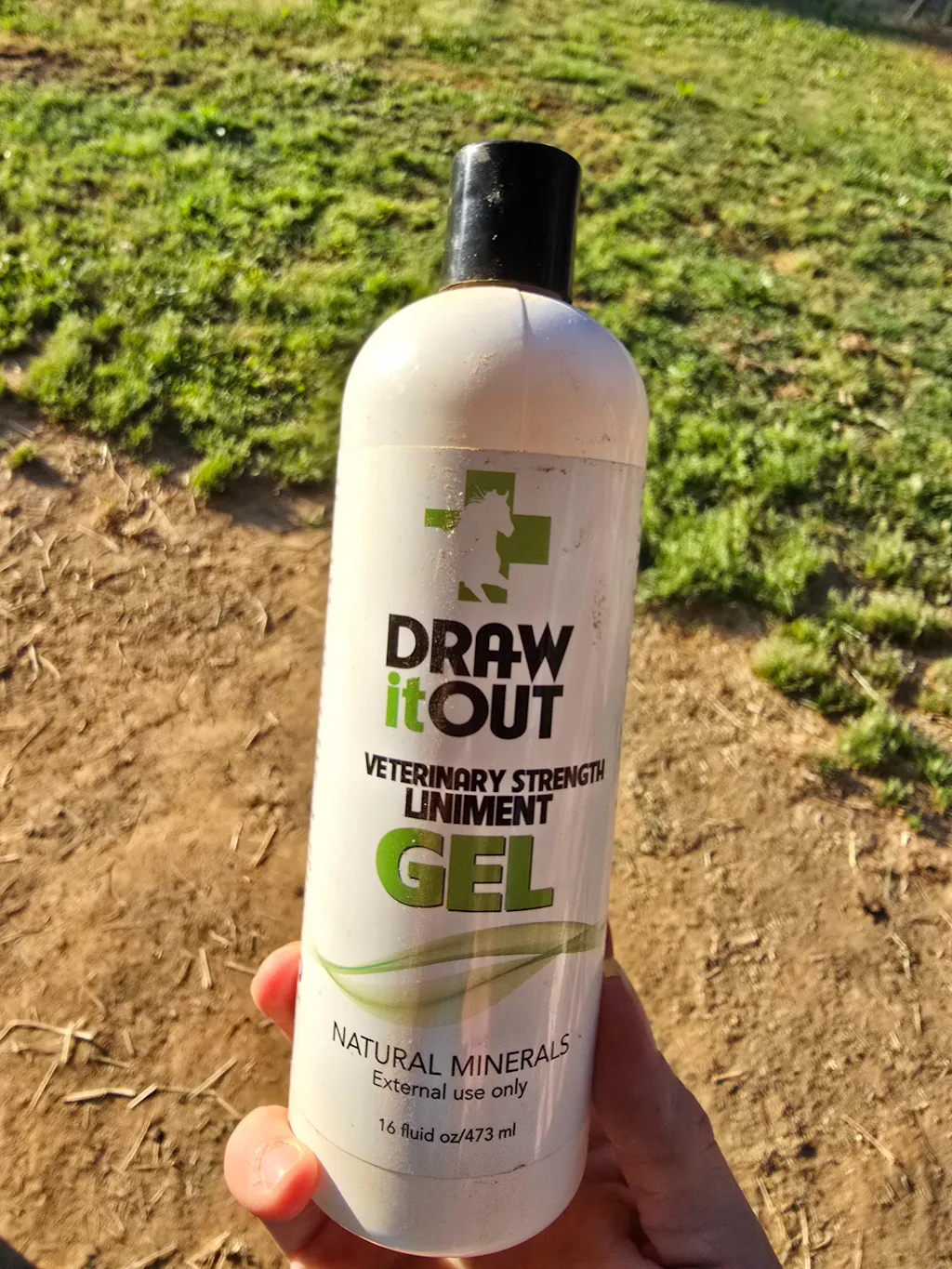
Start with the Solution Finder if you are unsure. Many riders use Draw It Out® liniment gel or other liniment formats as part of a post-ride recovery routine when footing, workload, and seasonal changes stack up.
Informational only. Always follow product labels and work with your veterinarian, farrier, or qualified professional when movement changes are persistent, severe, or unusual.