

Jun 19, 2026
The Difference Between Fresh and Unprepared Horses
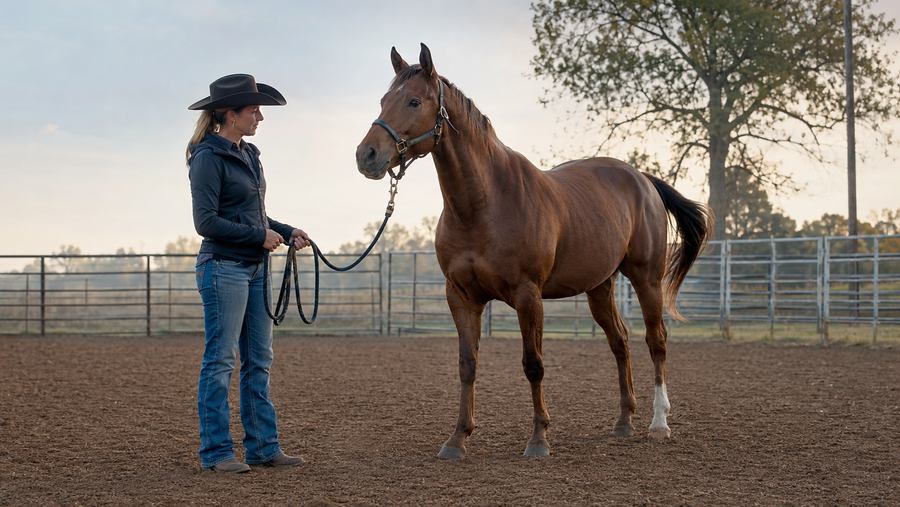
A Real Rider Resource article on the difference between a fresh horse with energy and an unprepared horse lacking the foundation for the ...

The best horse check is the one you will actually do. A weekly system beats a perfect checklist nobody keeps.
A weekly horse check should cover feet, legs, back, girth area, skin, weight, water, appetite, manure, tack marks, workload, and recovery. Real riders keep it simple, repeatable, and honest.
Most barn problems do not appear from nowhere. They build quietly. A weekly check gives you a chance to catch changes before they interrupt training, hauling, or the show weekend.
Pick one day each week. Use the same order every time. Write down only what changed. If nothing changed, that is useful too. The goal is not paperwork. The goal is sharper awareness.
Use the Horse Health Library for deeper education and What Does My Horse Need? when your weekly check finds a specific concern.
Daily observation matters, but a structured weekly check helps catch patterns and changes.
Only what changed: movement, legs, feet, skin, tack marks, appetite, water, manure, and recovery.
Good barns are not built by panic. They are built by quiet checks repeated over time.
A Real Rider Resource article on the difference between a fresh horse with energy and an unprepared horse lacking the foundation for the ...
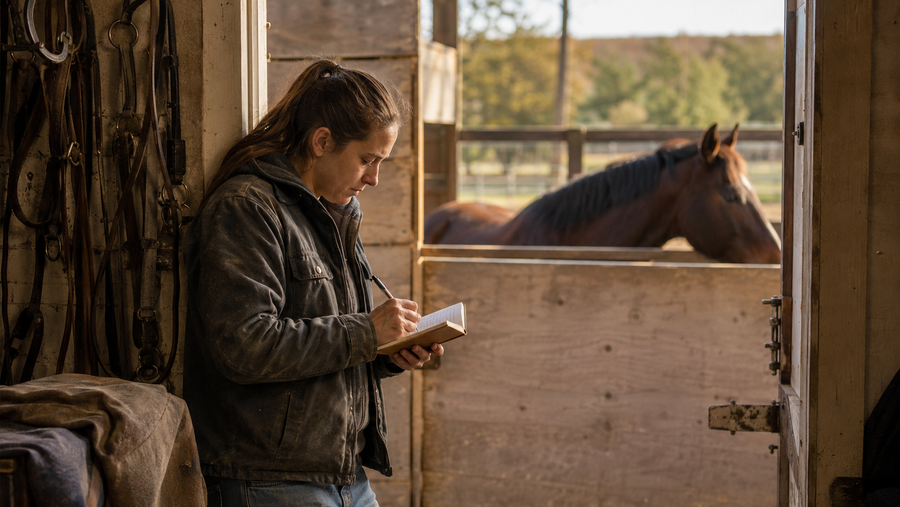
Real riders keep notes because patterns beat memory. A simple record of work, footing, behavior, and recovery makes better decisions poss...
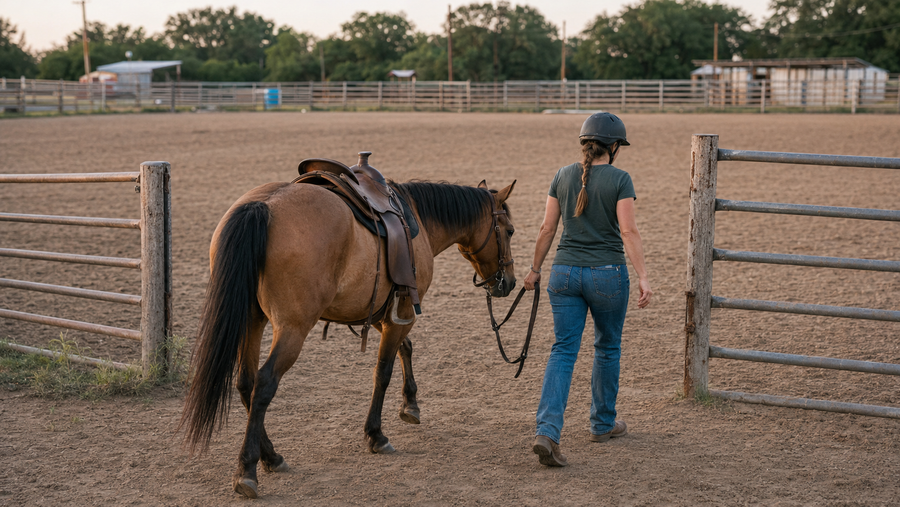
A Real Rider Resource guide for knowing when ending the ride early is the smarter horsemanship decision.
!