Daily recovery
Liniment Gels
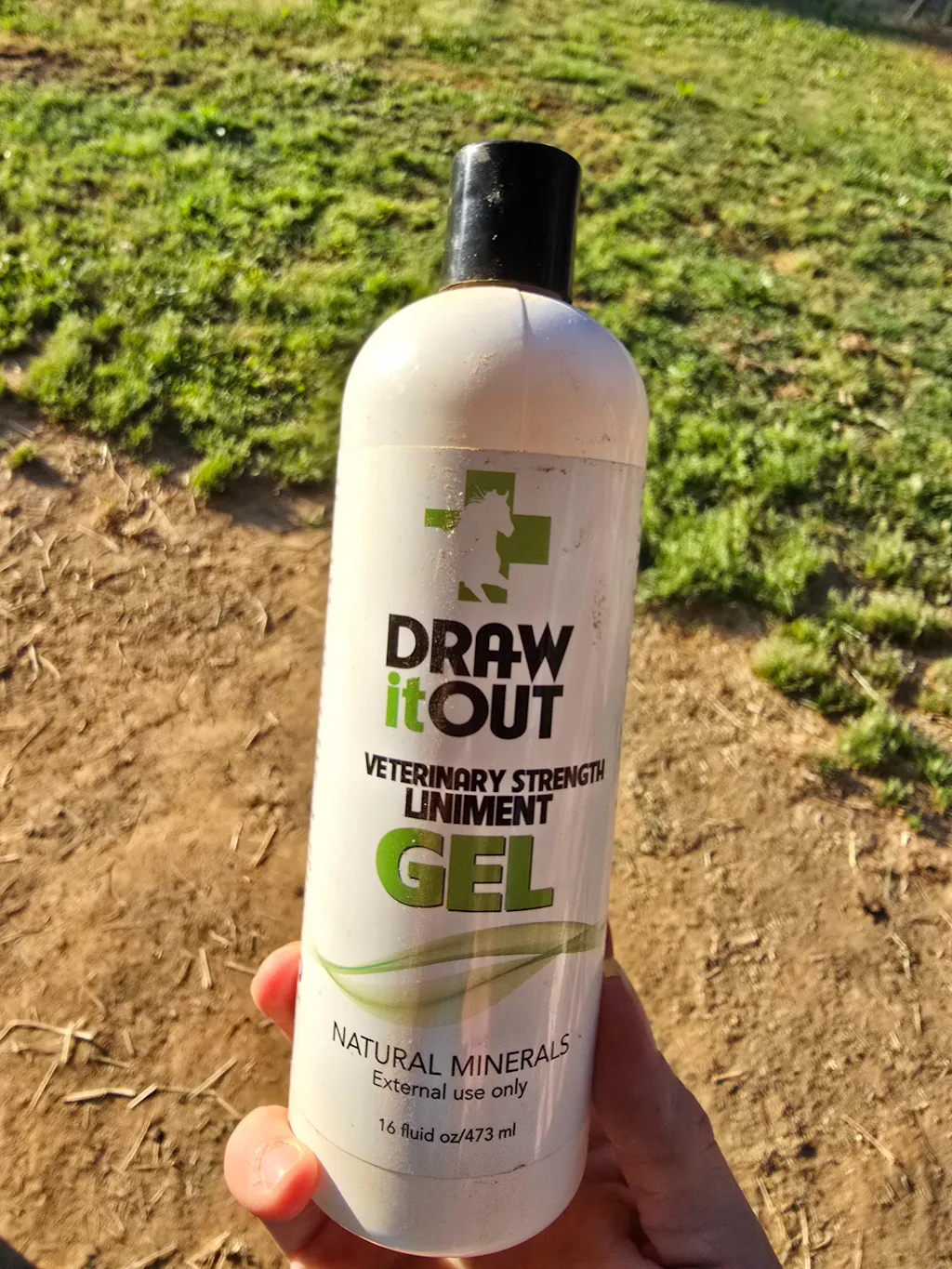
Explore the Draw It Out® liniment gel lineup for everyday use, post-work routines, and targeted recovery support.
Shop liniment gels
A long weekend can tell the truth about a horse. More riding. More hauling. More standing. More heat. More little changes that get missed when everyone is trying to get unpacked and back to normal.
After several busy days of riding, check your horse from the ground up: feet, legs, back, girth area, hydration, appetite, attitude, and movement. Look for heat, swelling, soreness, rubs, uneven sweat marks, reluctance to move, or anything that feels different from normal. When in doubt, give the horse an easier day and call your veterinarian for pain, lameness, swelling, wounds, or abnormal behavior.
Most riders are good at noticing big problems. The real advantage comes from catching the quiet ones. A small rub under a boot. A back that feels guarded. A leg that is not quite matching the other one. A horse that usually walks out loose but comes out a little careful.
This is not about making every normal sign of work into a crisis. It is about knowing your horse well enough to spot the first small change.
Pick out each hoof and look closely. Check for packed debris, loose shoes, tender spots, bruising clues, uneven wear, or anything that changed after harder ground, hauling, turnout, or extra miles.
Run your hands down both front legs, then both hind legs. You are checking for heat, swelling, filling, cuts, rubs, tenderness, or a digital pulse that feels different than normal. Symmetry matters. One leg looking different from its pair deserves attention.
Use steady pressure along the back and loin. Watch your horse’s ears, skin, tail, and posture. A horse that drops, flinches, pins, guards, or moves away may be telling you the weekend took more out of them than you thought.
Flattened hair, dry spots, broken hair, swelling, sensitivity, or uneven sweat marks can point to friction, pressure, or tack fit issues. These signs are easy to ignore until they become a bigger problem.
How your horse leaves the stall, pen, or pasture matters. A horse that walks out short, stiff, reluctant, uneven, or different than usual should not be pushed through work just because the calendar says it is time.
Good horse care is not dramatic. It is quiet, repetitive, and honest. Check the horse in front of you, not the plan you wrote down three days ago.
A post-work routine should support the horse without turning into noise. Cool down properly. Offer water. Let the horse return to normal breathing and body temperature. Check legs after work and again later when possible.
For topical recovery support, many riders build their routine around a clean, simple liniment gel format because it is easy to apply where needed. The right routine depends on the horse, the work, the weather, and what you actually find during the check.
For broader routine planning, use the Solution Finder or review the Prehabilitation page to think about recovery before the horse is already sore.
An easier day makes sense when your horse is sound but a little tired, tight, dull, or slower to loosen up than usual. It can also make sense after hauling, multiple days of riding, hard footing, heat, or disrupted turnout.
An easier day does not mean ignoring the horse. It means adjusting before small fatigue becomes a bigger training, comfort, or soundness problem.
Start with the feet and legs, then check the back, girth area, saddle contact points, hydration, appetite, attitude, and movement.
Some mild tiredness or slower warm-up can happen after extra work, hauling, heat, or hard ground. Clear lameness, pain, swelling, heat, wounds, or abnormal behavior should be taken seriously.
If the horse feels meaningfully different from normal, do not push through. Recheck, simplify the day, and call your veterinarian if there is pain, lameness, swelling, or any concern you cannot clearly explain.
Liniment gel can be part of a practical topical recovery routine when used as directed on appropriate areas. It should support observation and care, not replace veterinary advice when something is wrong.
The horse tells you first.
The job is to notice before the horse has to say it louder.
This article gives you the background. If you are ready to put the idea into a real horse care routine, these are the next places most riders should go.
Explore the Draw It Out® liniment gel lineup for everyday use, post-work routines, and targeted recovery support.
Shop liniment gelsMatch your horse’s workload, age, routine, and care goals to the Draw It Out® products that make the most sense.
Use the finderLearn how riders support soundness, comfort, and consistency before little issues become bigger problems.
Read the guideReal Barn Proof
Real riders. Real horses. Real routines. These clips rotate automatically so the proof stays fresh without weighing the page down with a long feed.
Why this matters: good horse care should make sense outside the ad. These clips show the kind of everyday use that builds trust one barn at a time.
Further Reading
Horse care works better when the next step is clear. These related reads help connect today’s topic to better daily decisions in the barn.

Jun 01, 2026
Descubra los misterios del caballo Grullo mientras profundizamos en su rica historia, su color de pelaje único, sus atributos físicos y su cre...
Read article
Jun 01, 2026
Choosing a horse liniment gel without menthol or alcohol starts with comfort, control, and routine fit. This guide helps riders choose a pract...
Read article
May 31, 2026
A practical horse health guide for checking tack, body comfort, workload, hydration, legs, hooves, and routine changes when a horse acts diffe...
Read articleStart with the principle, then build the habit. The right article should make the next barn decision easier, not more complicated.
Next Step
Simple care guides, practical product paths, and rider-trusted tools built for real horses and real routines.
Good care gets easier when the next step is obvious. Read the guide, match the routine, then choose the format that fits how your barn actually works.
Recovery Routine
Want a smarter way to think through post-ride care, heat, swelling, leg support, and daily recovery decisions? Start with the Performance Recovery Hub.
Better recovery starts with a repeatable routine. The hub gives riders a clearer path from workload to product format to aftercare timing.
Rider Favorites
Four core Draw It Out® staples riders keep close for daily recovery routines, wash rack use, targeted support, and quick barn-side care.
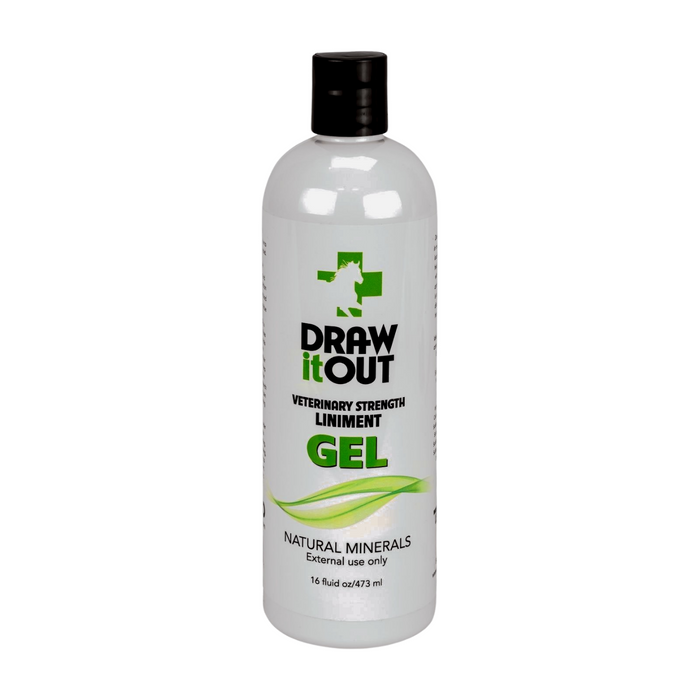
Stay-Put Gel
The everyday liniment gel format riders reach for when they want targeted, no-mess application.
View product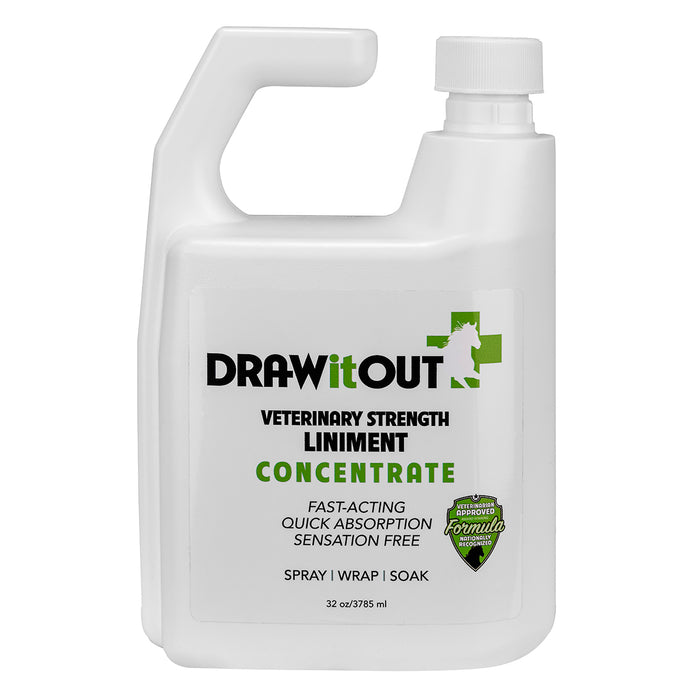
Mix Your Way
A flexible concentrate for riders who want to mix their own routine around workload and barn needs.
View product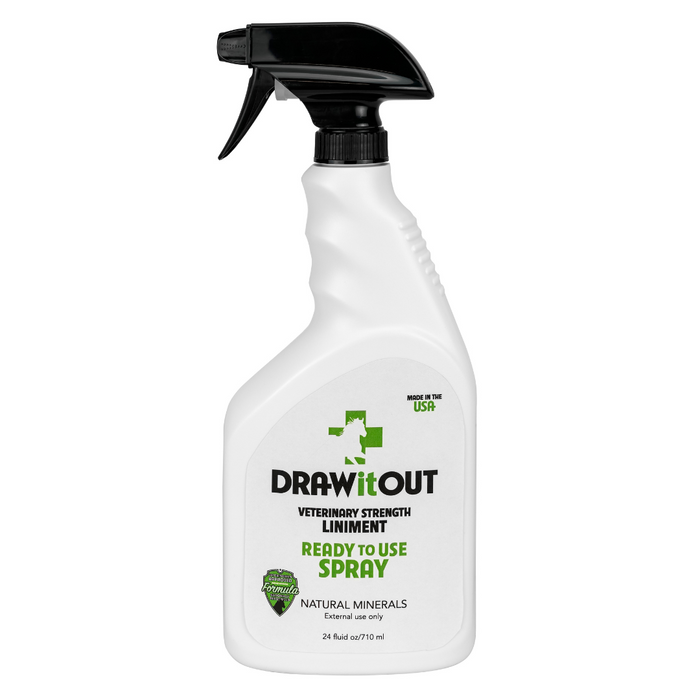
Ready To Use
A ready-to-use spray format for quick application after work, travel, turnout, or daily care.
View product
Cooling Brace
A cooling body brace spray for riders who want a fast, practical option after hard work or hot days.
View productFormat matters. Gel, concentrate, ready-to-use spray, and cooling spray each solve a different barn problem. Pick the one your routine will actually use.
!