Horse health and turnout routine
Horse Stiff After Turnout? What to Check First
A horse that comes in stiff after turnout is not automatically a crisis. But it is a signal. The job is to slow down, look clearly, and separate a normal body check from a problem that needs professional eyes.
If your horse seems stiff after turnout, watch the walk first, then check legs, hooves, heat, swelling, digital pulse, attitude, appetite, hydration, and whether movement improves or worsens. Do not ride through obvious lameness. Call your veterinarian or farrier if the horse is non weight bearing, worsening, swollen, painful, unusually dull, or not improving.
Turnout is supposed to help horses be horses. They walk, graze, roll, play, spook at nothing, test the fence line, and sometimes come in moving a little different than they went out.
That does not mean every stiff step is a disaster. It also does not mean you should ignore it. Good horse care lives in that middle ground where you look before you assume.
Start by watching the horse move
Before you start poking, wrapping, bathing, or reaching for anything on the shelf, watch the walk on safe, level footing. Look for rhythm, stride length, head movement, willingness to turn, and how the horse steps under itself.
- Is the horse short striding on one side?
- Does the stiffness improve after a few steps?
- Does it get worse as the horse moves?
- Is the horse reluctant to turn in one direction?
- Is there any clear head bob, dragging, toe stabbing, or uneven landing?
A horse that loosens up is different from a horse that protects a limb. That difference should guide what you do next.
Check the legs, but do not stop there
Run your hands down each leg with the same pressure and the same order every time. Compare left to right. You are looking for difference more than drama.
Heat
Localized heat can matter, especially if it is paired with swelling, tenderness, or a change in gait.
Swelling
Look around tendons, joints, fetlocks, and lower limbs. Compare both sides before deciding what is normal for that horse.
Hooves
Pick feet. Check for stones, packed mud, loose shoes, sprung shoes, cracks, tenderness, odor, or anything wedged in the frog or sole.
Body language
Ears, eyes, appetite, posture, and willingness to be handled all help tell the story.
Look at the field too
Sometimes the horse is telling you something about the turnout situation, not just the body. Walk the area if it is safe.
- Was the ground slick, deep, dry, rutted, or uneven?
- Did a new horse enter the group?
- Was there more running than normal?
- Are there rocks, holes, mud, gates, panels, or hard corners that could explain the change?
- Did weather shift the footing faster than expected?
Context matters. A horse stiff after a quiet day is a different story than a horse stiff after a group spent an hour tearing around a wet field.
A simple after-turnout check routine
- Watch the walk. Look before touching anything.
- Pick the feet. Eliminate the obvious first.
- Compare legs. Check heat, swelling, tenderness, and symmetry.
- Check the whole horse. Back, hips, shoulders, attitude, hydration, appetite, and manure all matter.
- Adjust the plan. Skip hard work if the horse is not moving normally.
Real rider rule: do not use a product to talk yourself into riding a horse that is clearly off. Use the check to make a better decision. When the signs point beyond routine stiffness, call the veterinarian or farrier.
Where liniment gel fits in the routine
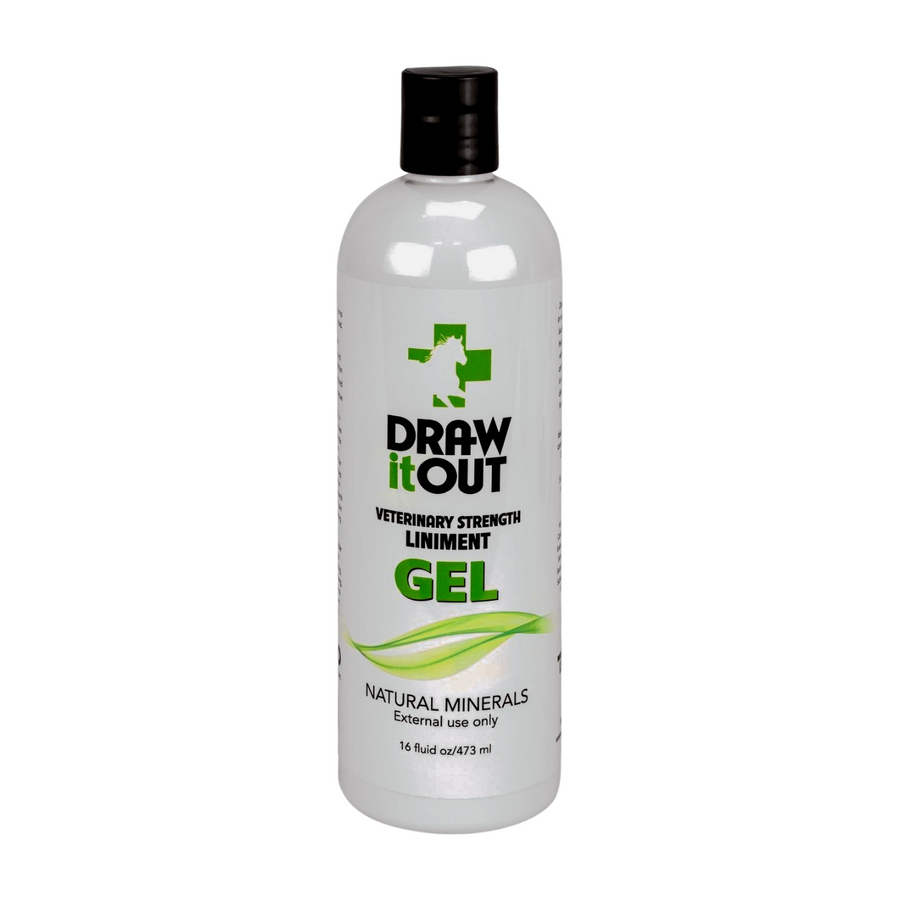
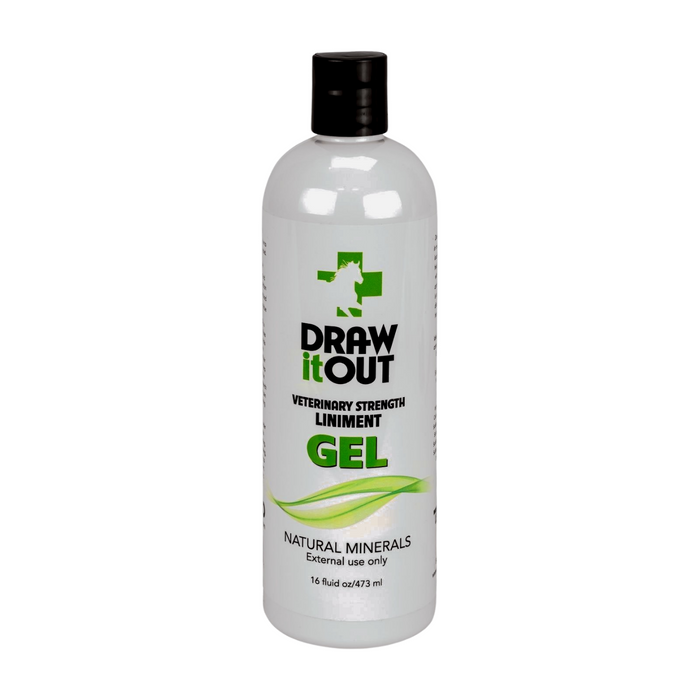
Draw It Out® 16oz Liniment Gel belongs in a routine, not a guessing game. It is a practical, stay put liniment gel for everyday horse care support after work, turnout, hauling, training, or weather related routine changes. It is not a substitute for diagnosis, veterinary care, or proper rest.
For broader planning, connect this kind of body check with your horse prehabilitation routine. Prehab is not fancy. It is paying attention before small changes become bigger problems.
Where to go next
If you are not sure which product lane fits the situation, start with the Draw It Out® Product Path Router. For bundled routines, browse Draw It Out® Equine Performance Bundles.
Keep the check simple
Walk. Look. Compare. Decide. That rhythm will save you more trouble than panic ever will.
View 16oz Liniment GelFAQ
Why is my horse stiff after turnout?
A horse may appear stiff after turnout because of hard running, uneven footing, play, slipping, packed hooves, fatigue, weather changes, or an underlying issue. Start by watching movement and checking legs and feet.
Should I ride if my horse seems stiff after turnout?
Do not ride through obvious lameness, worsening movement, swelling, sharp pain, or behavior that is not normal for your horse. If the horse does not look right, pause and get professional guidance.
What should I check first?
Watch the walk first, then pick the feet and compare legs for heat, swelling, tenderness, and symmetry.
When should I call a veterinarian or farrier?
Call a veterinarian or farrier if the horse is non weight bearing, clearly lame, worsening, swollen, painful to touch, unusually dull, off feed, or not improving.