Why Horses Get Stiff Between Classes on Show Day
Speakable summary: Some horses feel good in the first class, then come out stiffer later in the day because standing, cooling down, dehydration, and repeated effort all change how the body resets between trips. A smarter between-class routine protects movement quality before the second class feels harder than the first.
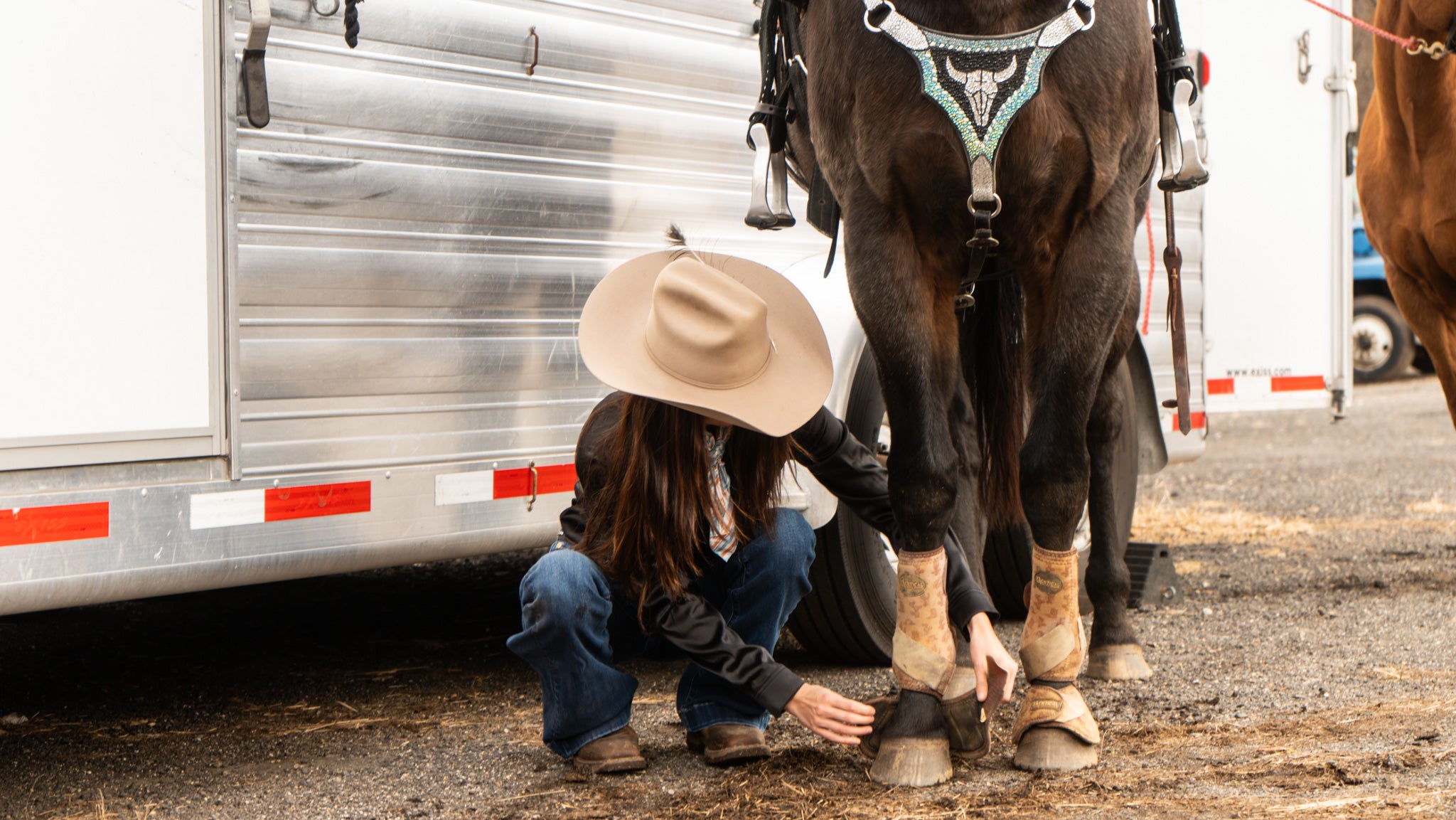
Quick take: A horse that feels a little tighter, flatter, or less fluid in the second class is not always “having an attitude.” Often the body simply cooled off, stood too long, or never fully reset between efforts. Show days reward riders who manage the gaps, not just the class itself.
The first trip feels good.
Your horse is with you. Warmed up. Responsive. Loose enough.
Then the schedule stretches.
You wait. Stand. Chat. Watch classes. Maybe hand walk a little. Maybe not enough.
And when it is time to go again, your horse feels different.
Not lame. Not dramatic.
Just tighter. Heavier. Less willing to step through the body the same way.
Why this happens on show day
Between classes, the body shifts out of working mode.
Circulation settles. Muscles cool. Joints move less. Small fatigue from the first effort starts to show up. If the horse stands long enough, the second warm-up is not really a continuation of the first one. It is a partial restart.
That matters more than most riders think.
Standing still is part of the problem
Show days are full of hurry up and wait.
And horses do not always love the waiting part.
Even a fit horse can get mechanically stiffer when they:
- stand tied for long stretches
- stay on the trailer too long between trips
- cool off too completely after the first class
- lose the rhythm of steady movement
Movement keeps tissues more elastic. Standing takes that away fast.
The first class also leaves a residue
A good round does not mean a free reset.
The first class still asks the body to stabilize, push, bend, and absorb load. Even when the horse looks comfortable, there is still residual demand left behind in the muscles and soft tissue.
If the gap between classes is poorly managed, the second class starts with yesterday’s news still sitting in the system.
The quiet mistake: riders assume one good round means the horse is good for the day. Often the real question is whether the horse recovered well enough to do it again.
Hydration changes the picture too
Show days are notorious for breaking normal drinking patterns.
Different water. Different timing. Different nerves. More standing. More sweat than you realized.
That combination can make a horse feel flatter and tighter later in the day even when nothing obvious looks wrong.
If hydration support is part of your routine, this is one of the strongest places to keep it simple and consistent. Draw It Out® built Hydro-Lyte® with GastroCell® for exactly that kind of real-world pressure point.
What riders usually notice first
Between-class stiffness rarely announces itself loudly.
It usually shows up as little changes like:
- a shorter first few strides back under saddle
- more resistance in bending or lateral work
- a horse that feels heavier in the hand
- slower response off the leg
- a second warm-up that takes longer than expected
- less jump, less push, or less swing than the first trip
Those are not random. They are often the body telling you the reset was incomplete.
Why second efforts feel harder
The first effort is usually fueled by freshness.
The second effort depends more on management.
That is the real difference.
If you want the second class to feel close to the first, you have to protect the space in between. That means keeping the horse from getting too cold, too still, too depleted, or too guarded.
A better between-class routine
Most riders do not need a complicated show-day program. They need a cleaner one.
That usually means:
- walking long enough after the first class to let the system settle without crashing
- avoiding excessive standing when movement is possible
- checking how the horse steps off before the next warm-up
- supporting hydration before the horse looks behind
- using a calm recovery step that fits the real schedule
This is where a real Prehabilitation mindset matters. You are not waiting for the second class to go wrong. You are protecting the second class before it starts.
Where liniment gel fits
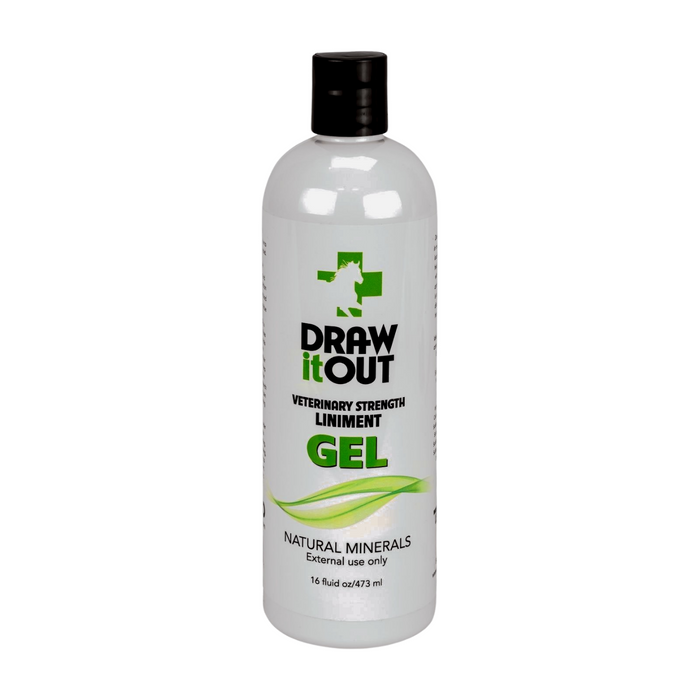
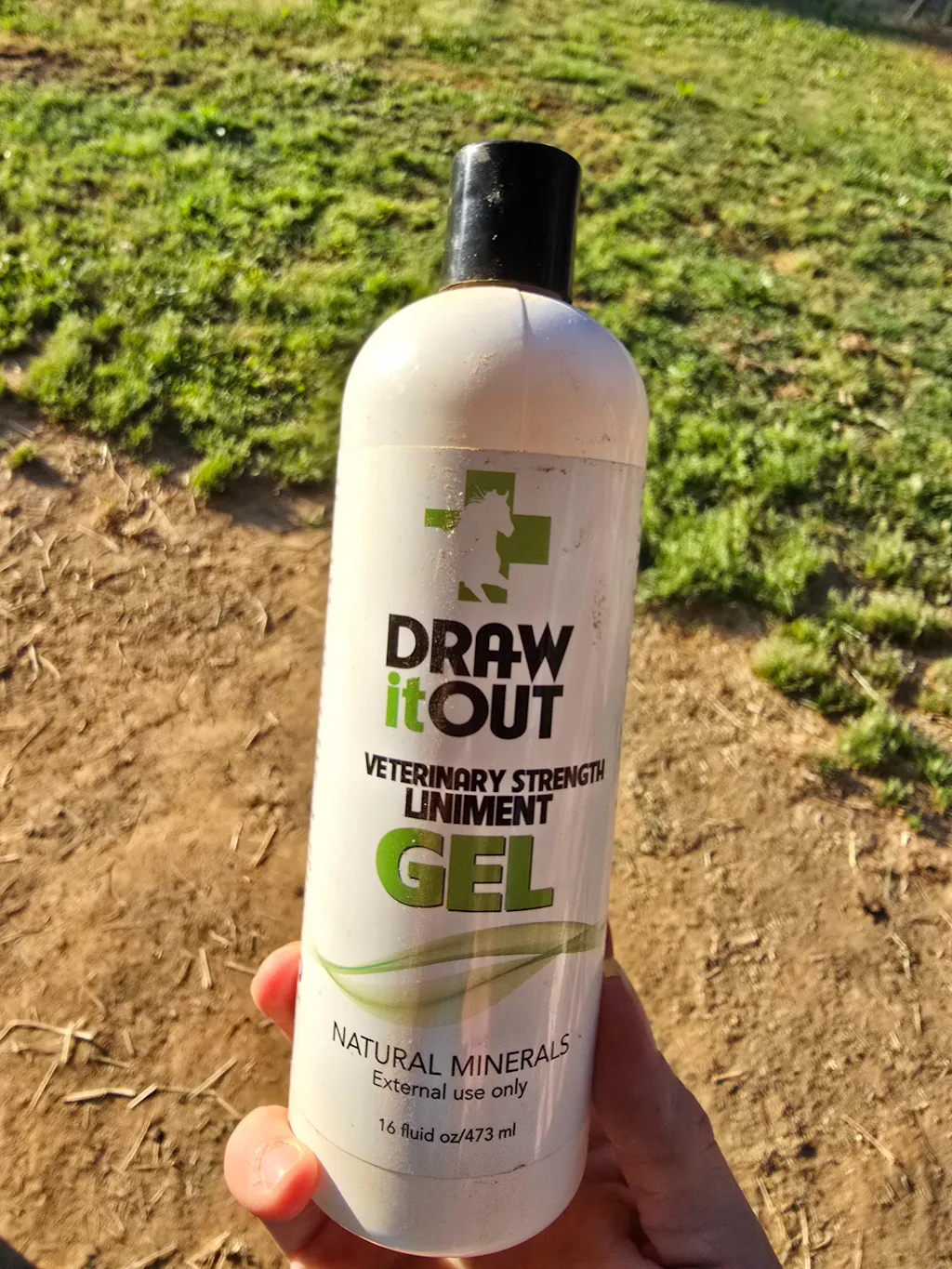
For many riders, the easiest between-class support is a targeted liniment gel routine around the areas that tend to tighten when a horse stands, waits, and goes again.
That is why the Draw It Out® liniment gel collection fits this kind of day so well. It is built for repeatable use, quiet application, and real routines, not drama.
If you are not sure what makes the most sense for your horse’s workload, the Solution Finder is still the fastest route.
The real goal is not surviving the day
The goal is keeping the horse the same horse from first class to last class.
Not perfect.
Not overmanaged.
Just supported well enough that the body does not get away from you as the hours stack up.
Good show days are not only about the big efforts. They are about how well you handle the empty space between them.
Frequently asked questions
Why does my horse feel tighter in the second class than the first?
Usually because the body cooled down, stood too long, or did not fully recover between efforts. The horse may not be injured. They may simply be less reset than they were earlier in the day.
Is between-class stiffness always a soundness problem?
No. It can be a management pattern. If the stiffness is mild, repeatable, and improves with smart movement and routine adjustments, the issue is often recovery handling rather than a major event. If the pattern worsens, becomes one-sided, or comes with clear pain signs, that is a different conversation.
Should I hand walk between classes?
Often yes. Light movement helps more than long periods of stillness. The goal is not to wear the horse out. It is to keep the system from shutting down between efforts.
Does hydration really affect how a horse feels later in the day?
Absolutely. Show environments disrupt drinking patterns fast. Mild hydration gaps can show up as tighter movement, flatter energy, and slower recovery before you ever see obvious dehydration signs.