

Daily recovery
Liniment Gels
Explore the Draw It Out® liniment gel lineup for everyday use, post-work routines, and targeted recovery support.
Shop liniment gels
Horse Health • Summer Barn Routine
Humidity changes the barn. Coats stay tacky. Sweat dries slower. Tack marks hang around longer. Skin that looked fine yesterday can start talking today.
Short answer: In humid barn weather, check your horse’s girth area, chest, elbows, flanks, saddle area, mane base, tailhead, and lower legs for trapped sweat, tack pressure, rubbing, heat, swelling, odor, hair loss, crusting, or new sensitivity. Clean, dry, check early, and adjust work or tack before irritation builds.
Heat gets the attention. Humidity does the quiet damage.
When the air is heavy, sweat and rinse water do not leave the coat as fast. Dust sticks. Tack areas stay damp. Hair lays flat. A horse that normally dries clean can suddenly carry moisture under the girth, behind the elbow, along the saddle line, or down the legs.
This is not a reason to panic. It is a reason to look sooner.
The mistake is treating humidity like normal weather. The better move is giving the horse an extra minute before and after work.
For a related tack-pressure check, read Girth Area Sweat Marks on Horses. For warm-weather cooling context, read Horse Still Hot After Untacking?
Humidity is not solved by a bottle. It is managed by a routine. That matters.
Draw It Out® 16oz Liniment Gel fits when you want a stay-put, sensation-free liniment gel for normal post-work horse-care routines. It is not a shortcut around cleaning, drying, tack fit, or veterinary care. It is a practical piece of the daily recovery routine.
For barns managing multiple horses, the horse liniment gel collection gives you size options for daily use, travel, and barn-size routines.
A little sweat mark is information. A sore, hot, swollen, open, spreading, or foul-smelling area is a different conversation.
Skip the ride and call your veterinarian or trusted professional if you see open wounds, fast-spreading irritation, significant swelling, heat with lameness, drainage, fever, or behavior that feels clearly out of character.
Use a simple rule for humid weather: check the places moisture hides before the horse tells you louder.
Humidity slows drying. Sweat, rinse water, dust, and tack pressure can stay against the coat longer, especially under the girth, saddle area, elbows, mane base, tailhead, and lower legs.
Start with the girth area, behind the elbows, saddle area, chest, shoulders, mane base, tailhead, and lower legs. These areas commonly trap moisture, sweat, dirt, or tack pressure.
Use judgment. Small pressure marks may mean adjusting tack, cleaning better, or giving the area time. Do not ride over open, hot, swollen, painful, spreading, or draining irritation.
Liniment gel fits as part of a normal post-work recovery routine after the horse is properly cleaned and dried. It does not replace grooming, drying, tack adjustment, or veterinary care.
This article is educational and is not veterinary advice. Always follow product labels and contact your veterinarian for serious, worsening, or unusual symptoms.
This article gives you the background. If you are ready to put the idea into a real horse care routine, these are the next places most riders should go.
Explore the Draw It Out® liniment gel lineup for everyday use, post-work routines, and targeted recovery support.
Shop liniment gelsMatch your horse’s workload, age, routine, and care goals to the Draw It Out® products that make the most sense.
Use the finderLearn how riders support soundness, comfort, and consistency before little issues become bigger problems.
Read the guideReal Barn Proof
Real riders. Real horses. Real routines. These clips rotate automatically so the proof stays fresh without weighing the page down with a long feed.
Why this matters: good horse care should make sense outside the ad. These clips show the kind of everyday use that builds trust one barn at a time.
Further Reading
Horse care works better when the next step is clear. These related reads help connect today’s topic to better daily decisions in the barn.
May 26, 2026
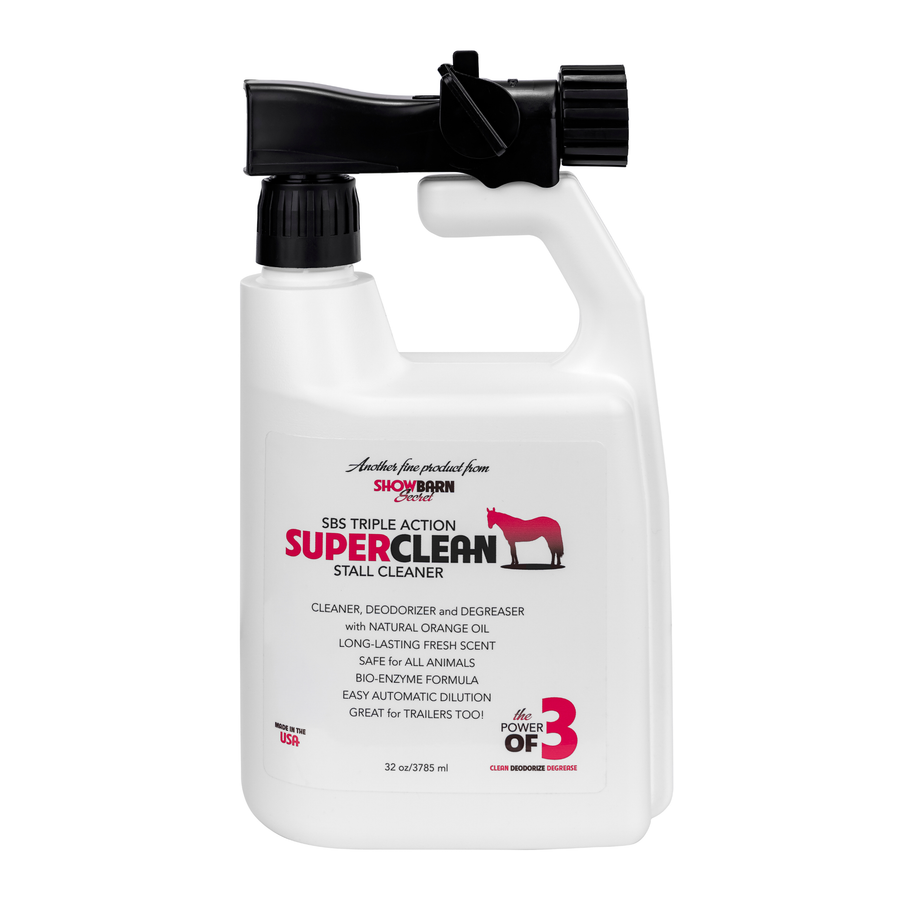
A special Draw It Out® feature on why we like K&D Platinum Line barn gear, how real barn needs shaped SuperClean®, and why practical equip...
Read article
May 26, 2026
A practical post-weekend horse body check for legs, back, girth area, hydration, heat, swelling, movement, and recovery routine after several ...
Read article
May 26, 2026
A Memorial Day reflection from Draw It Out® honoring the Americans who gave their lives in service and the families who carry their memory.
Read articleStart with the principle, then build the habit. The right article should make the next barn decision easier, not more complicated.
Next Step
Simple care guides, practical product paths, and rider-trusted tools built for real horses and real routines.
Good care gets easier when the next step is obvious. Read the guide, match the routine, then choose the format that fits how your barn actually works.
Recovery Routine
Want a smarter way to think through post-ride care, heat, swelling, leg support, and daily recovery decisions? Start with the Performance Recovery Hub.
Better recovery starts with a repeatable routine. The hub gives riders a clearer path from workload to product format to aftercare timing.
Rider Favorites
Four core Draw It Out® staples riders keep close for daily recovery routines, wash rack use, targeted support, and quick barn-side care.
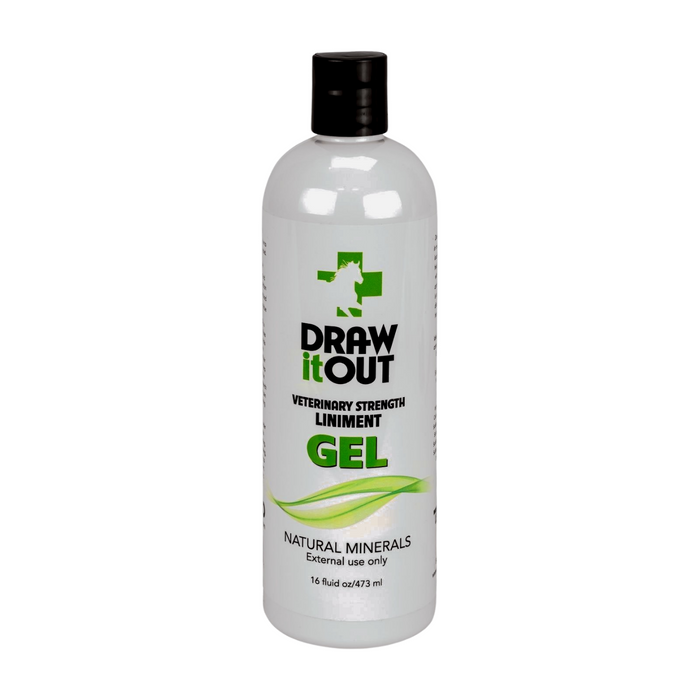
Stay-Put Gel
The everyday liniment gel format riders reach for when they want targeted, no-mess application.
View product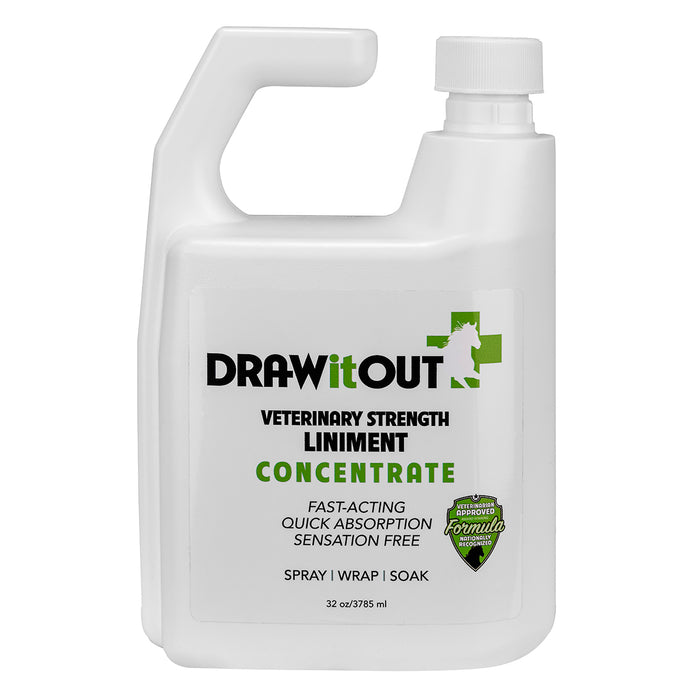
Mix Your Way
A flexible concentrate for riders who want to mix their own routine around workload and barn needs.
View product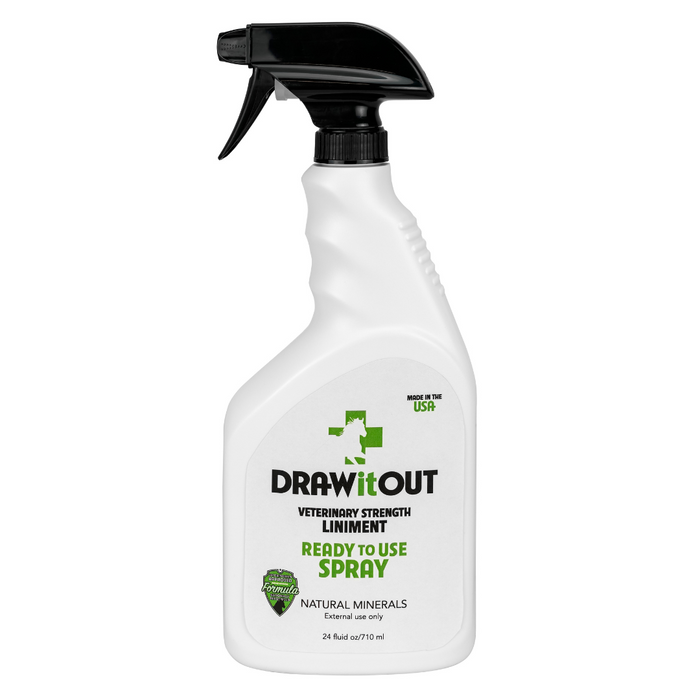
Ready To Use
A ready-to-use spray format for quick application after work, travel, turnout, or daily care.
View product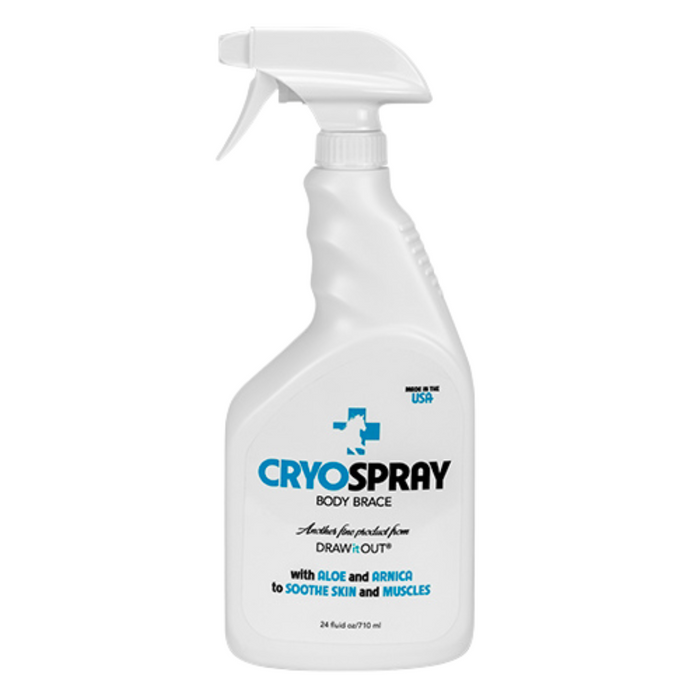
Cooling Brace
A cooling body brace spray for riders who want a fast, practical option after hard work or hot days.
View productFormat matters. Gel, concentrate, ready-to-use spray, and cooling spray each solve a different barn problem. Pick the one your routine will actually use.
!