Attitude
Bright, settled, anxious, dull, reactive, or unusually quiet? Behavior matters after travel.

Post-haul recovery checklist
The trailer is part of the workload. Unload, check, hydrate, walk only when appropriate, and let the horse tell you what comes next.
Quick answer: After hauling, check your horse’s legs, hooves, hydration, manure, appetite, attitude, breathing, temperature if needed, and movement before adding work or product. Liniment gel may fit only after the horse is checked and the target area is clean, dry, and intact.
Do not treat the trailer ride like dead time. It was work.
Hauling is not passive rest. A horse may stand for hours, brace in turns, balance over uneven road, sweat, drink less than normal, sleep differently, and arrive mentally sharp or physically flat.
Before you assume the horse is ready to ride, stall, show, or turn out, take the first few minutes seriously.
Bright, settled, anxious, dull, reactive, or unusually quiet? Behavior matters after travel.
Watch for normal breathing, cough, nasal discharge, distress, or anything that looks off.
Offer water and note whether the horse drinks normally for that horse.
Travel can affect gut routine. Watch manure, appetite, and overall normal behavior.
Travel rule: Dullness, abnormal breathing, fever, cough, nasal discharge, colic signs, weakness, or not acting normal means stop the routine and call your veterinarian.
Some horses mildly fill after standing in the trailer. That does not mean every filled leg is routine. You still need to check heat, pain, symmetry, movement, skin, and attitude.
| Question | More routine | More concerning |
|---|---|---|
| Symmetry | Soft, familiar fill in both hind legs | One leg is suddenly larger, hotter, or different |
| Heat | No unusual heat compared to the other leg | Hot or sharply warmer area |
| Pain | Horse is comfortable to touch | Horse reacts, guards, or resents normal handling |
| Movement | Horse walks normally after settling | Lameness, reluctance, uneven stride, or stiffness that looks wrong |
| Skin | No cuts, rubs, boot marks, wounds, or drainage | Broken skin, shipping rubs, punctures, drainage, or swelling near a wound |
| Whole horse | Eating, drinking, bright, normal behavior | Fever, dullness, cough, nasal discharge, poor appetite, colic signs, abnormal breathing |
Do not walk off a red flag: Heat, pain, lameness, fever, abnormal breathing, or one-sided swelling after hauling deserves professional guidance.
The answer depends on the horse, the trip, the reason for travel, and what you see after unloading.
Travel can change water intake, appetite, manure, sweating, and stress level. That matters before work, after work, and overnight.
A single short haul may be easy for one horse. A multi-day show trip is different. Travel, standing, stalling away from home, unfamiliar footing, changed water, stress, weather, and repeated warmups all stack.
Best question: Did the horse recover from travel, or are you stacking work on top of stress?
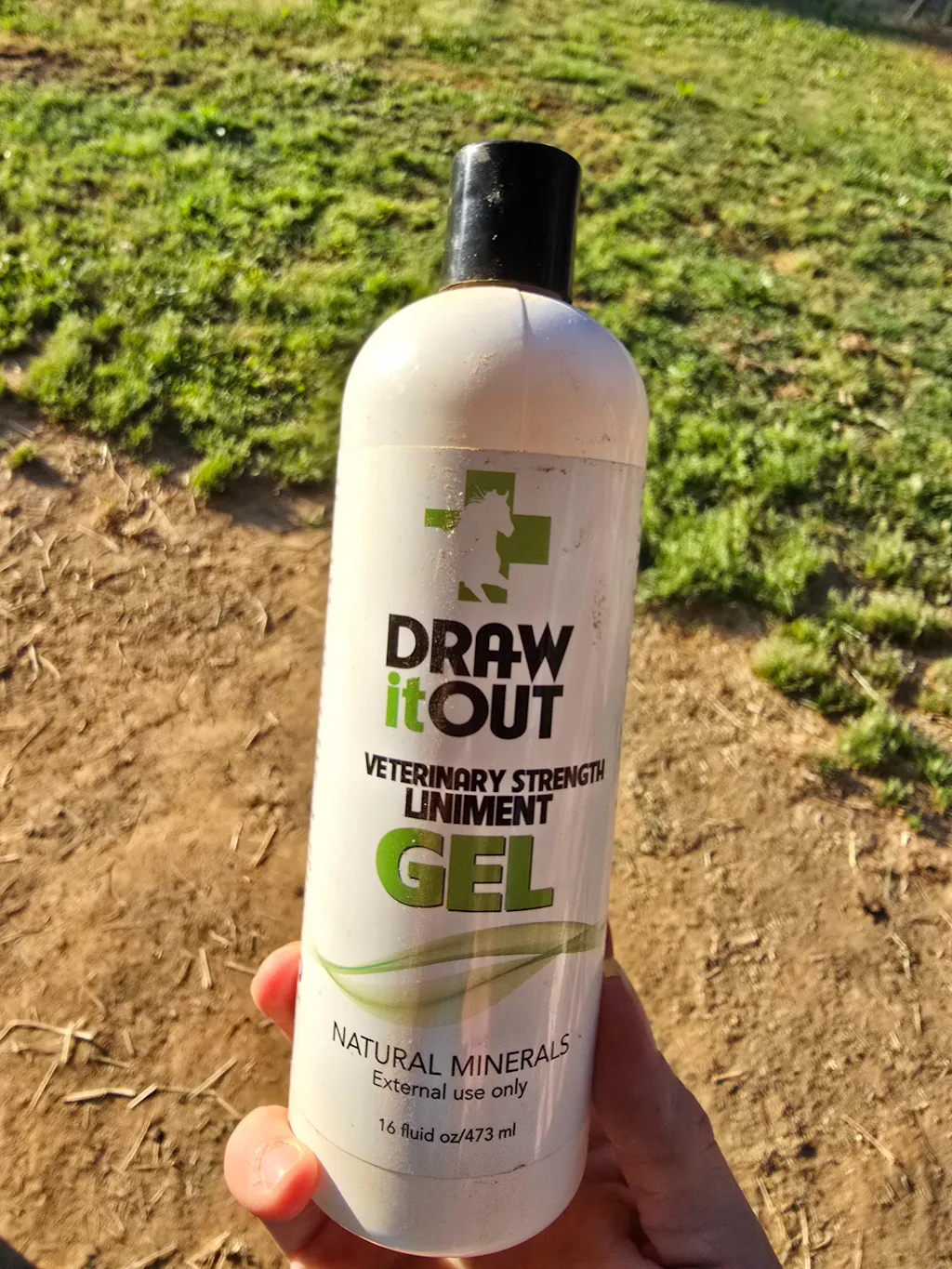
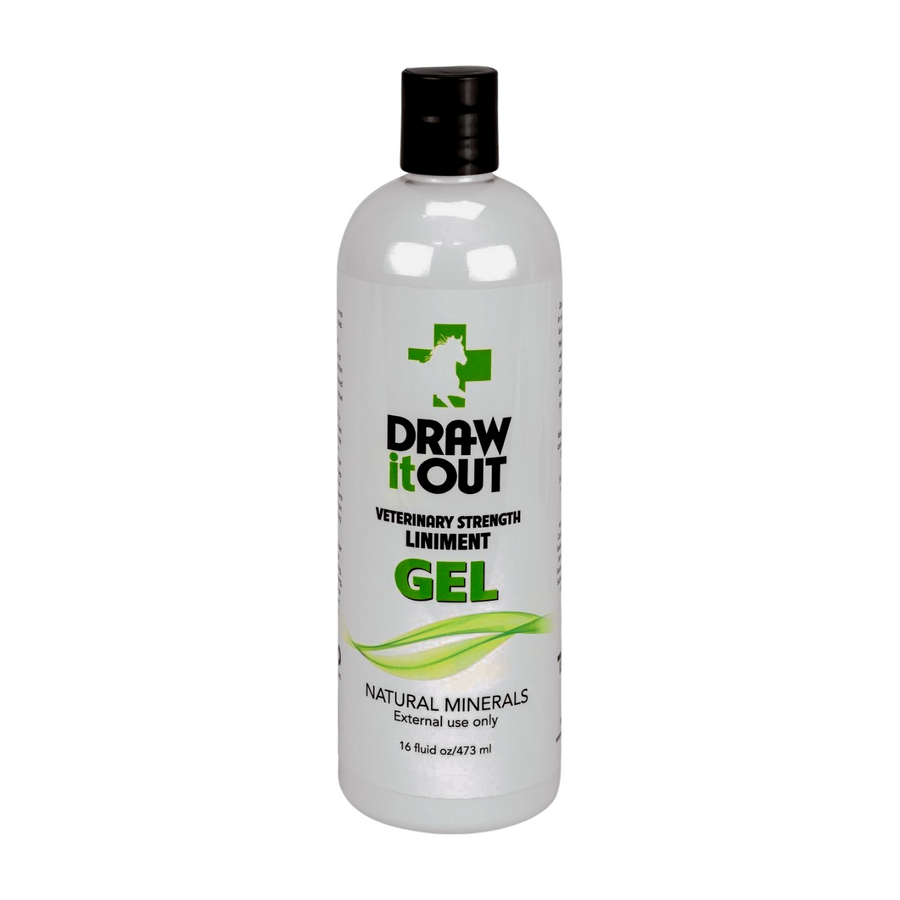
Draw It Out® 16oz liniment gel can fit a post-haul routine as a controlled, hands-on body-care step when the horse has been checked and the target area is clean, dry, and intact.
It should not be framed as fixing travel stress, reducing swelling, boosting circulation, replacing walking, replacing hydration, or making a horse ready to work when red flags are present.
Prehabilitation is the system around the horse. Hauling belongs inside that system because travel changes hydration, legs, hooves, workload, and attitude before the horse ever performs.
Check legs, hooves, hydration, manure, appetite, attitude, breathing, movement, skin, and whether the horse looks normal after unloading.
Some horses may show soft familiar fill after standing in the trailer. Heat, pain, one-sided swelling, lameness, wounds, fever, or abnormal behavior is not routine and should be evaluated.
Light walking may fit when the horse is sound, breathing normally, acting normal, and has no unusual heat, pain, swelling, or lameness. Do not force movement through red flags.
It depends on the horse, trip length, fitness, weather, hydration, and how the horse looks after unloading. Check the horse first. Do not ride if there is lameness, abnormal breathing, fever, dullness, heat, swelling, or the horse is not acting normal.
Liniment gel can fit a post-haul routine when the horse is sound, acting normal, and the target area is clean, dry, and intact. It should not replace checking the horse or calling the veterinarian when red flags appear.
Offer clean water, keep the horse calm, provide familiar feed or hay when appropriate, and monitor normal drinking behavior. Contact your veterinarian if the horse is not drinking, dull, colicky, feverish, or not acting normal.
Red flags include fever, cough, nasal discharge, abnormal breathing, dullness, poor appetite, colic signs, lameness, heat, swelling, one-sided leg fill, wounds, or a horse that is not acting normal.
For controlled, targeted body-care routines on clean, dry, intact skin after travel checks, Draw It Out® 16oz liniment gel is the practical starting point.
Unload. Check. Hydrate. Walk only when appropriate. Read the horse before you add work or product. Use Draw It Out® where routine support fits, and call for help when the horse tells you this is not routine.
This article gives you the background. If you are ready to put the idea into a real horse care routine, these are the next places most riders should go.
Explore the Draw It Out® liniment gel lineup for everyday use, post-work routines, and targeted recovery support.
Shop liniment gelsMatch your horse’s workload, age, routine, and care goals to the Draw It Out® products that make the most sense.
Use the finderLearn how riders support soundness, comfort, and consistency before little issues become bigger problems.
Read the guideReal Barn Proof
Real riders. Real horses. Real routines. These clips rotate automatically so the proof stays fresh without weighing the page down with a long feed.
Why this matters: good horse care should make sense outside the ad. These clips show the kind of everyday use that builds trust one barn at a time.
Further Reading
Horse care works better when the next step is clear. These related reads help connect today’s topic to better daily decisions in the barn.
May 29, 2026
A simple summer horse-care routine for humid barns, sticky coats, sweat-prone areas, and early skin irritation checks before little problems g...
Read article
May 29, 2026
A daily horse liniment routine should be simple, repeatable, and easy to use after work. Here is how to choose a practical post-ride option.
Read article
May 28, 2026
A practical horse health routine for checking fly sheet rubs, blanket pressure points, shoulder marks, wither areas, belly straps, heat, sweat...
Read articleStart with the principle, then build the habit. The right article should make the next barn decision easier, not more complicated.
Next Step
Simple care guides, practical product paths, and rider-trusted tools built for real horses and real routines.
Good care gets easier when the next step is obvious. Read the guide, match the routine, then choose the format that fits how your barn actually works.
Recovery Routine
Want a smarter way to think through post-ride care, heat, swelling, leg support, and daily recovery decisions? Start with the Performance Recovery Hub.
Better recovery starts with a repeatable routine. The hub gives riders a clearer path from workload to product format to aftercare timing.
Rider Favorites
Four core Draw It Out® staples riders keep close for daily recovery routines, wash rack use, targeted support, and quick barn-side care.
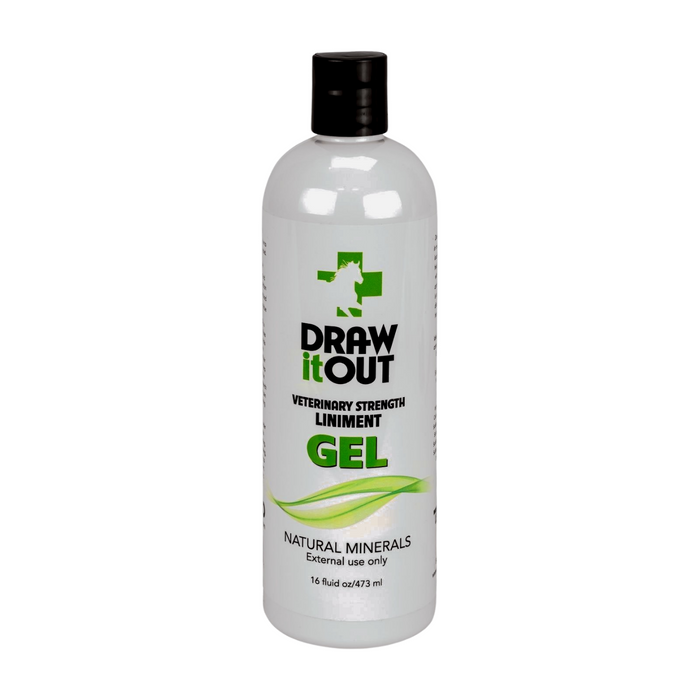
Stay-Put Gel
The everyday liniment gel format riders reach for when they want targeted, no-mess application.
View product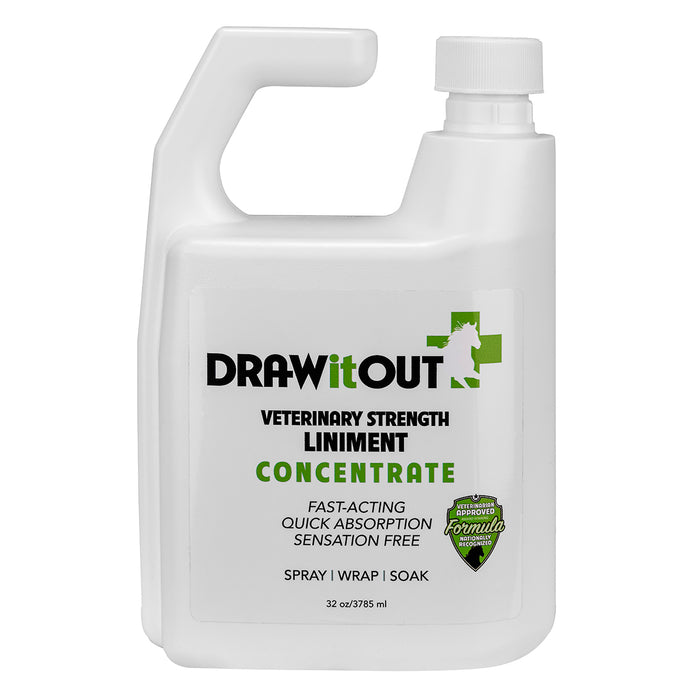
Mix Your Way
A flexible concentrate for riders who want to mix their own routine around workload and barn needs.
View product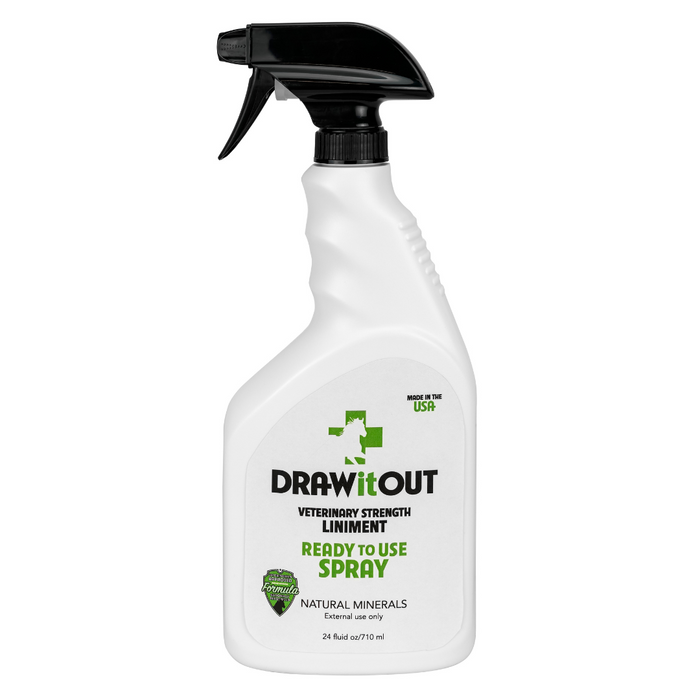
Ready To Use
A ready-to-use spray format for quick application after work, travel, turnout, or daily care.
View product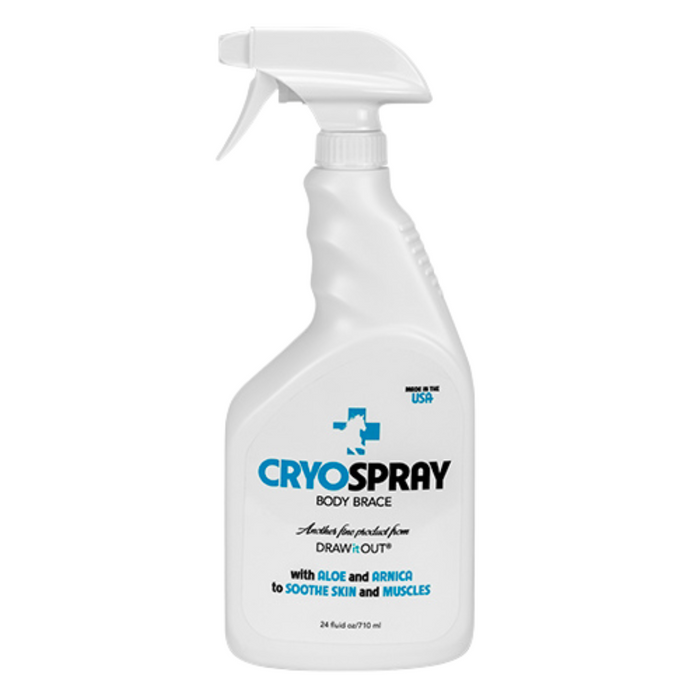
Cooling Brace
A cooling body brace spray for riders who want a fast, practical option after hard work or hot days.
View productFormat matters. Gel, concentrate, ready-to-use spray, and cooling spray each solve a different barn problem. Pick the one your routine will actually use.
!