Real Rider Resource
Horse Great at Home But Bad at Shows? What Real Riders Should Check
Some horses do not have a training problem. They have a showground problem. The show changes hauling, footing, noise, water, turnout, stall time, warmup pressure, and rider tension.
Short answer: if your horse rides well at home but falls apart at shows, check hauling fatigue, hydration, turnout changes, stall time, warmup length, tack fit, soreness, rider nerves, noise, footing, and whether the horse had enough time to settle before being asked to perform.
A horse that falls apart at shows is not automatically naughty. The show may be exposing comfort, routine, hydration, warmup, or environmental stress that stays hidden at home.
What the show exposes
The body changes
- Shorter stride
- Tighter back
- Harder warmup
- Different lead quality
- Slower recovery
The mind changes
- More scanning
- Less standing still
- More spook
- Quicker reactions
- Less focus
Where Draw It Out® fits
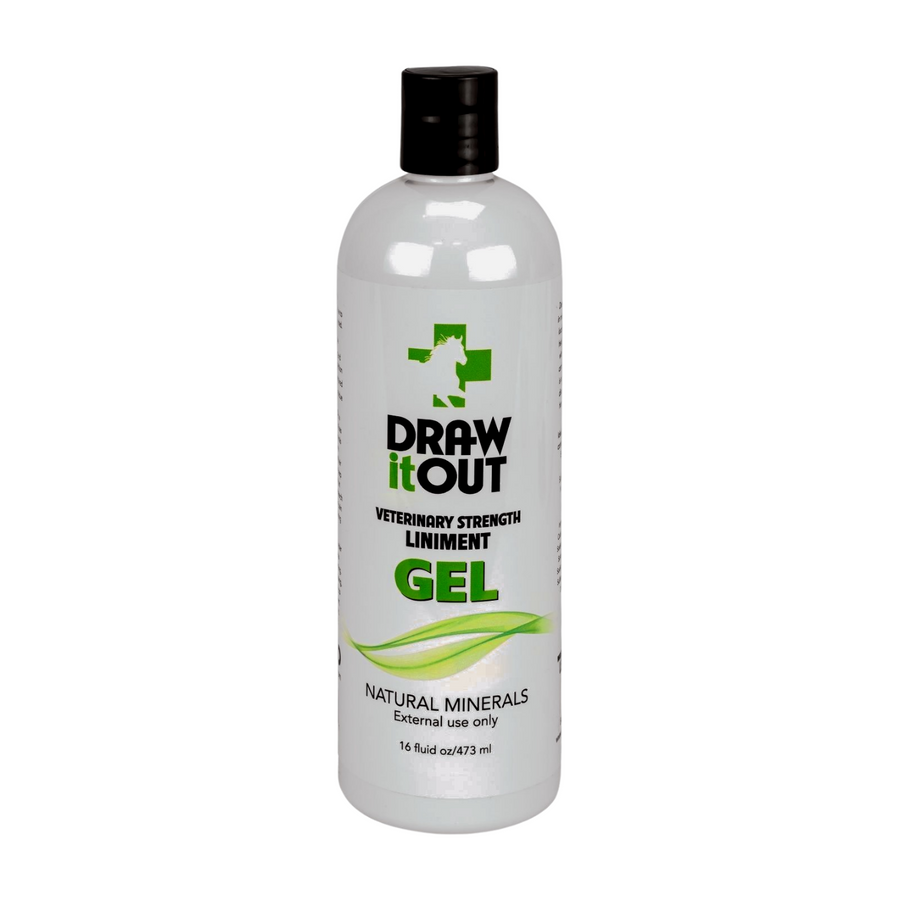
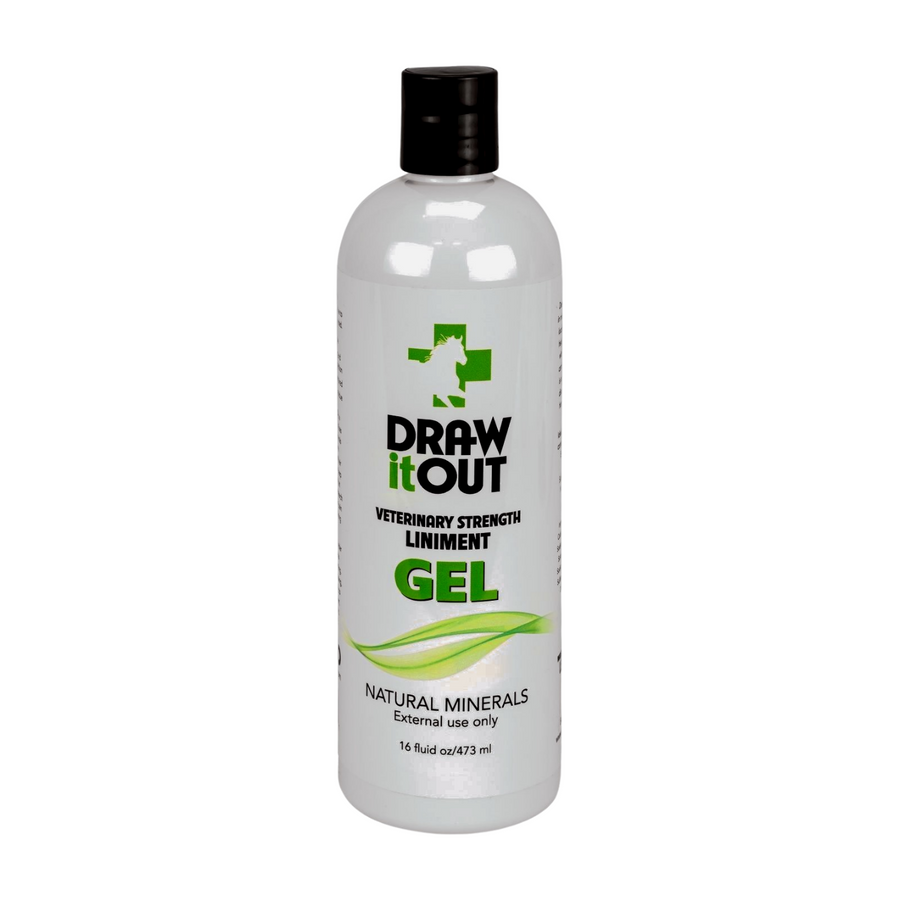
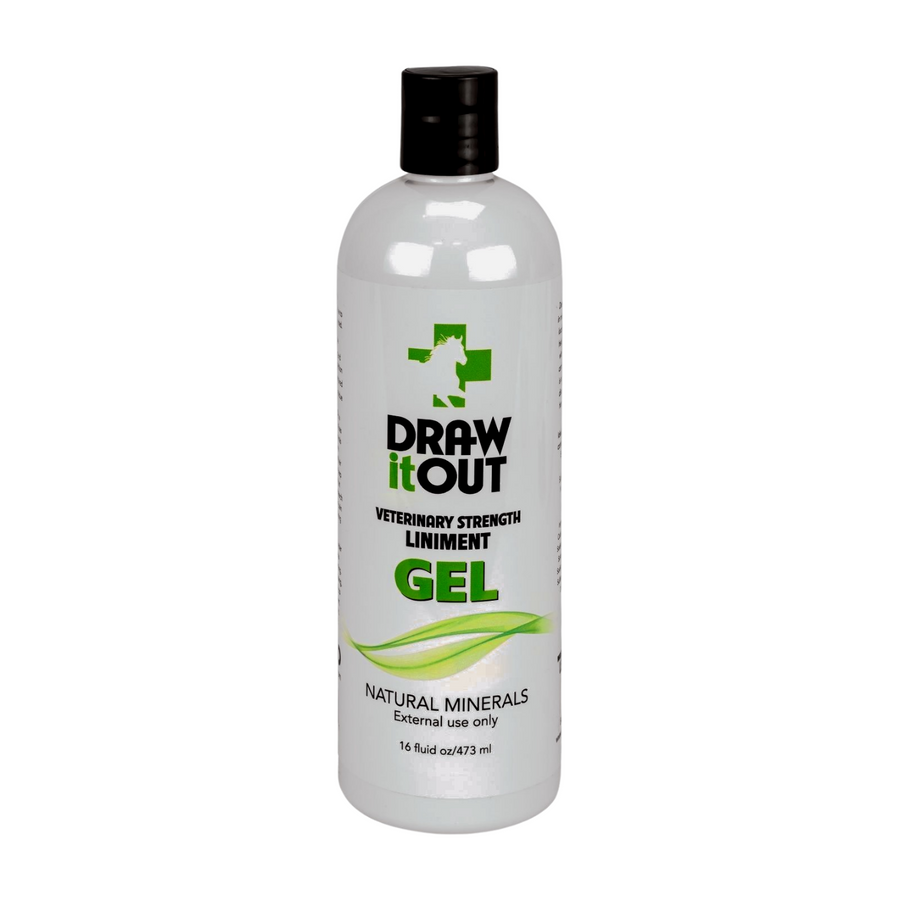
A calm topical routine will not replace training, saddle fit, or veterinary care. It can give riders a simple, repeatable body-care step around the work. Many riders start with Draw It Out® 16oz Liniment Gel because the liniment gel format stays where it is placed and fits pre-ride or post-ride routines.
Where to go next
For product direction by situation, use What Does My Horse Need?. For the larger prevention-first system, read Horse Prehabilitation. For topical format choice, shop the Draw It Out® Liniment Collection.
FAQ
Why is my horse good at home but bad at shows?
Your horse may be reacting to hauling fatigue, less turnout, stall stress, warmup traffic, footing changes, rider nerves, discomfort, or routine changes.
Is this just bad behavior?
Sometimes behavior needs training, but check comfort, clarity, hydration, tack fit, and rider pressure before labeling the horse.
When should I stop riding?
Stop if the horse shows lameness, swelling, heat, severe distress, abnormal breathing, sudden dangerous behavior, or pain that worsens with work.