May 19, 2026
Horse Rushes After Transitions? What Real Riders Should Check First
A practical Real Rider Resource guide for horses that rush after upward or downward transitions. Learn what to notice first, what to chec...

Show season is a bad time to discover that a product was louder than it was clear. A good label should help you understand what is in the bottle, why it is there, and whether it belongs in a calm routine you can repeat with confidence.
The goal is not to find the most dramatic bottle. The goal is to find the clearest one. That usually means fewer surprises, steadier routines, and fewer last-minute questions when class day gets close.
Before show season, read horse liniment labels for clarity, not drama. Look for direct ingredient names, plain-language purpose, and fewer sensation-based promises.
The best label usually makes daily routine easier. It tells you what is in the formula, why it is there, and whether it fits a calm, repeatable program.
During the off season, riders get loose with routines. They try things. They swap things. They go off barn chatter and what somebody handed them from a tack trunk. Once show season starts, that casual approach gets expensive.
Now timing matters. Ingredient awareness matters. Consistency matters. The best routine is usually the one you can explain simply, repeat easily, and trust without second-guessing every step.
Look for real ingredient names first. If the front makes big promises but the back stays vague, that is worth slowing down for.
Words like hot, icy, numbing, blazing, or extra strength by themselves do not tell you whether the formula fits your horse or your routine.
A trustworthy product usually gives calm, usable directions. Clean area. Apply thinly. Let dry. Repeat as needed. No theater required.
You should be able to understand why the main ingredients are there. If you cannot explain the bottle after reading it, the label did not do its job.
Most people read the front panel and stop there. That is where the loudest words live. The back panel is where the truth usually lives. Ingredients. directions. warnings. actual use case.
Barn rule worth keeping: if a label is built to impress faster than it is built to explain, it can create routine friction later.
You do not need a chemistry degree. You need a simple filter. Ask three questions as you read:
| What you see | What to ask | Why it matters |
|---|---|---|
| Hot or high-drama language | Is this sensation doing more selling than supporting? | Strong surface sensation can create noise in an otherwise simple care routine. |
| Vague blends with no plain-English explanation | Can I understand why each major component is there? | Confused riders use products inconsistently. Clear labels increase confidence and repeat use. |
| Directions that are too loose | Does the label tell me how to apply it cleanly? | Better instructions lead to better outcomes and fewer routine mistakes. |
| Ingredients known mainly for heat or sting | Does this belong in a calm, show-aware program? | Some riders would rather avoid ingredients that create unnecessary sensation or extra rule anxiety. |
Good labels reduce hesitation. They make the rider feel oriented. That matters because most barn products are not judged in a laboratory. They are judged in motion, under time pressure, while somebody is tacking up, wrapping, loading, or trying not to miss a class.
That is why plain-language ingredient-purpose tables work so well. They answer the question sitting in the rider’s mind: What is this, and why should I trust it on my horse?
If a rider is trying to stay calm and competition-aware, hot pepper style ingredients are not where most people want to get clever. This is one of the clearest examples of why labels matter. A flashy front panel can hide a routine problem if the rider never reads the ingredient list closely.
The broader principle matters even beyond one ingredient. When the label leans too heavily on heat, sting, or “feel it working” language, it often pulls the buyer away from the better question, which is whether the formula actually fits the horse, the skin, and the routine.
Cleaner buying question: not “Will I feel this?” but “Can I use this calmly, clearly, and repeatedly without creating extra problems?”
A better label usually feels quieter. It does not beg to be dramatic. It tells you what the product is, how to use it, and what kind of routine it belongs in. That is enough.
The riders who stay steady through a season usually are not chasing the loudest product. They are building a routine that still makes sense on the fiftieth use, not just the first one.
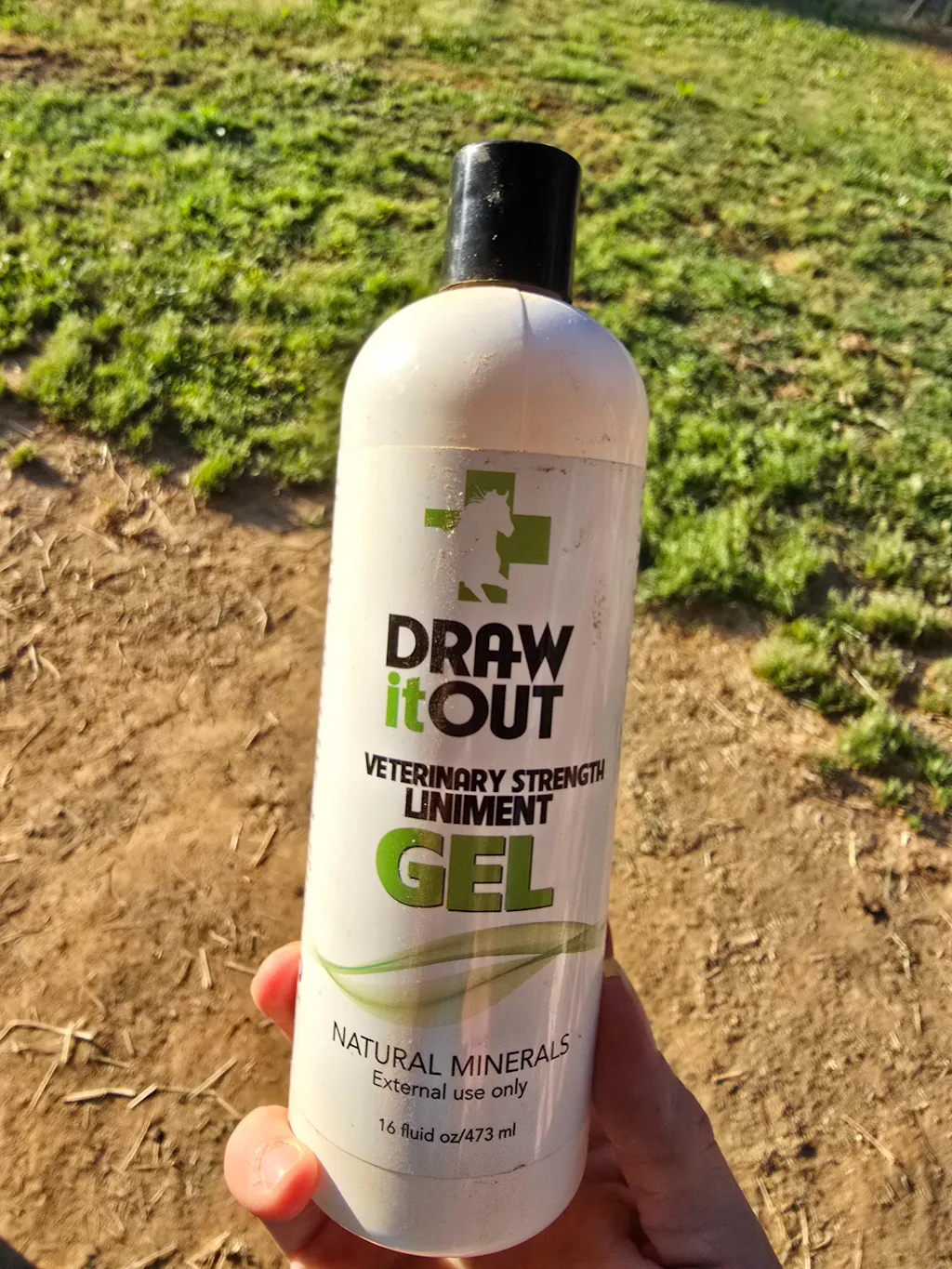
If you want the easiest place to start, build upward from a simple, repeatable system. Use the Prehabilitation page to tighten the whole routine. Use the Solution Finder when you want the right product path without guessing. If your horse does best with calm, controlled application, start with the liniment gel collection.
Use this article as the filter, then move into the routine that actually fits your horse.
Start with the actual ingredients and the wording around them. If the bottle sells heat, burn, or drama first, slow down and read the back panel carefully.
Because riders make product decisions under pressure. Clear labels reduce confusion and make routine care easier to repeat correctly.
No. Strong surface sensation is not the same thing as a better daily routine. Many riders prefer sensation-free liniment gel because it is easier to apply consistently and easier to read honestly on the horse.
Specific ingredients, simple directions, and plain-English explanation of purpose. A product should not make you decode it every time you use it.
Show-safe starts with discipline. Read the label, know the rules, and keep the routine simple.
A practical Real Rider Resource guide for horses that rush after upward or downward transitions. Learn what to notice first, what to chec...
A practical Real Rider Resource guide for horses that drop a shoulder through turns. Learn what to notice first, what to check, and when ...
A practical five-minute pre-ride barn check for real riders who want to notice small changes before they become bigger problems.
Want a smarter way to handle soreness, heat, swelling, and post-ride leg care? Visit our Performance Recovery Hub for clear routines and product guidance.
Visit the Recovery Hub!