Jun 04, 2026
Hot Weather Horse Care: What to Check Before, During, and After the Ride
A practical horse health guide for hot weather riding, hydration awareness, recovery checks, cooling routines, and when heat stress conce...

Horse liniment is not one product decision. It is a format decision. Gel, spray, and concentrate can all belong in the same barn, but they do different jobs.
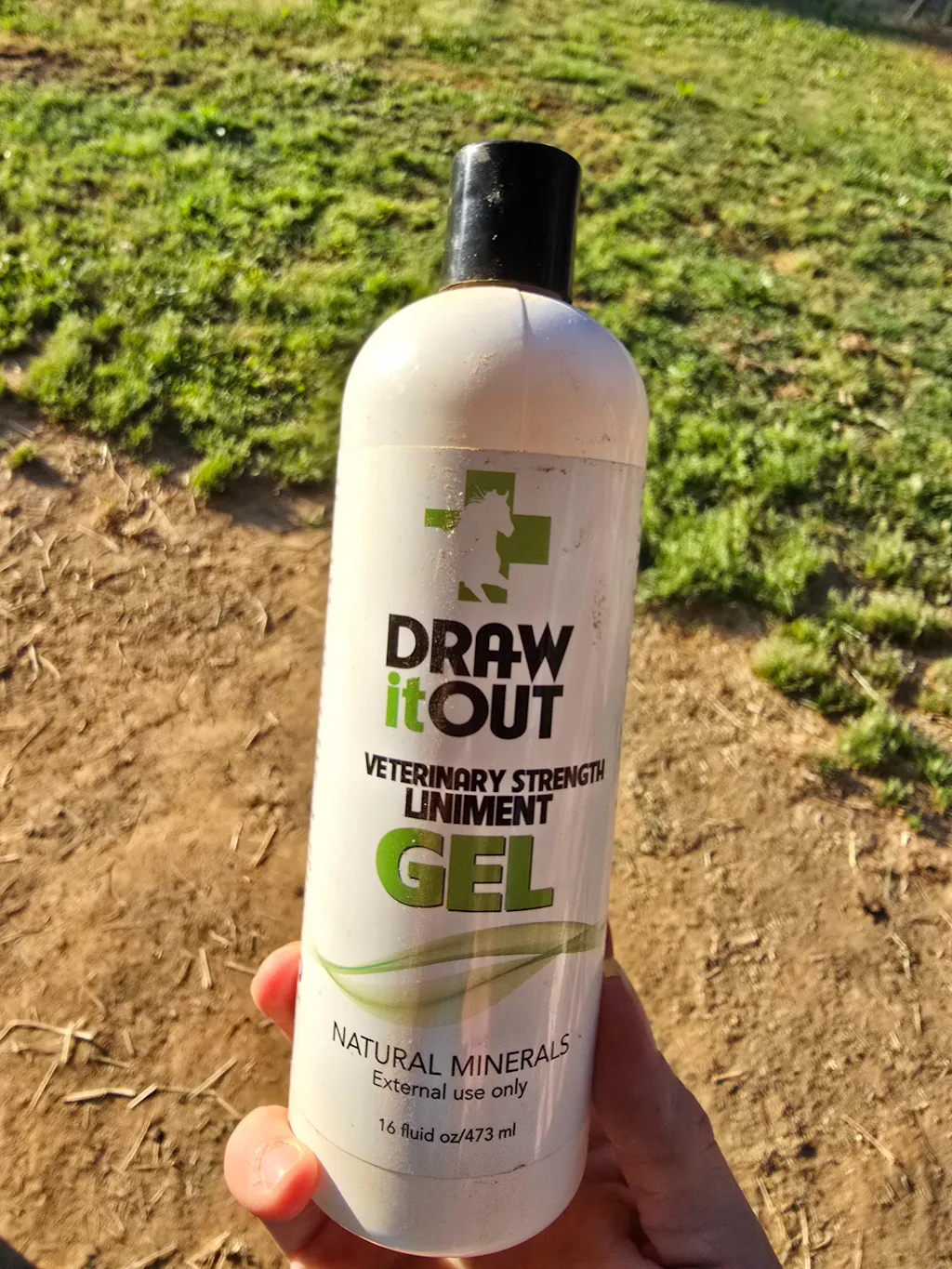
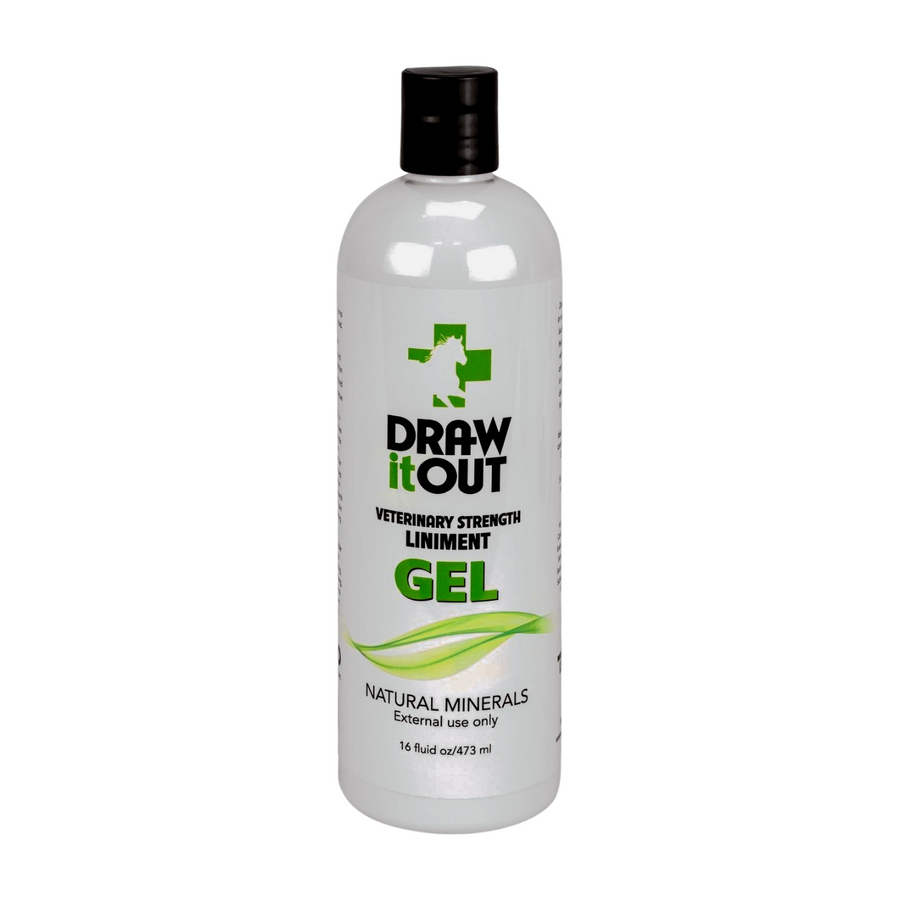
Best when you want placement control. Choose the 16oz liniment gel for the first bottle or the 64oz liniment gel for barn-size use.
Best when you want quick, ready-to-use coverage without rubbing in gel. Useful after riding, travel, or wash rack routines.
Best for riders who want a flexible mix-to-use format for regular care and barn management.
Best for multi-horse barns, trainers, and riders who already know they use liniment regularly.
Buy gel if the problem is placement. Buy spray if the problem is speed. Buy concentrate if the problem is volume. Most barns eventually use more than one format because horses do not live in one neat category.
For a single-horse owner, the safest first move is usually 16oz liniment gel. For a working barn, the better value may be 64oz liniment gel or 128oz concentrate.
Shop Liniment GelShop ConcentrateUse the Solution Finder
Choose gel for targeted application, spray for speed, and concentrate for flexible mix-to-use barn routines.
For many riders, a 16oz liniment gel is the best first format because it is easy to apply, easy to store, and useful for regular care.
Concentrate makes sense when a barn uses liniment frequently or wants a larger mix-to-use option.
This guide is educational and product-selection focused. For significant lameness, heat, swelling, injury, deep wounds, infection, or a problem that does not improve, work with your veterinarian or farrier.
A practical horse health guide for hot weather riding, hydration awareness, recovery checks, cooling routines, and when heat stress conce...
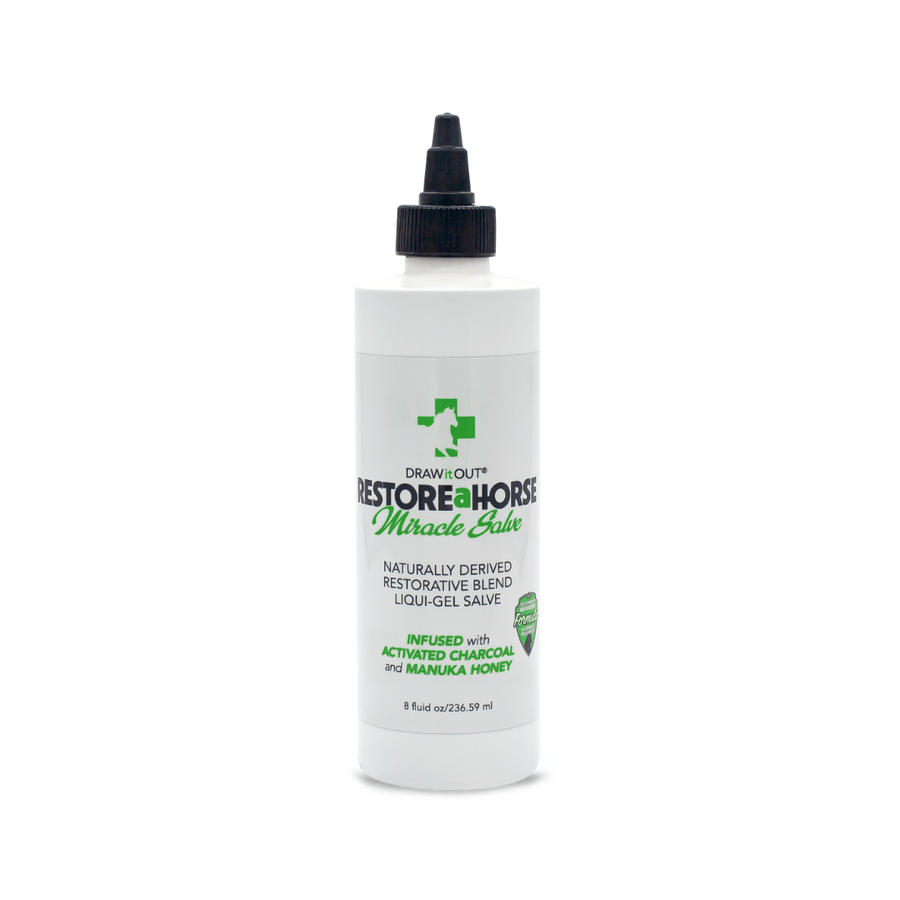
A practical guide to checking pasterns, heel bulbs, and lower-leg skin, including when a stay-put horse skin salve fits the routine and w...
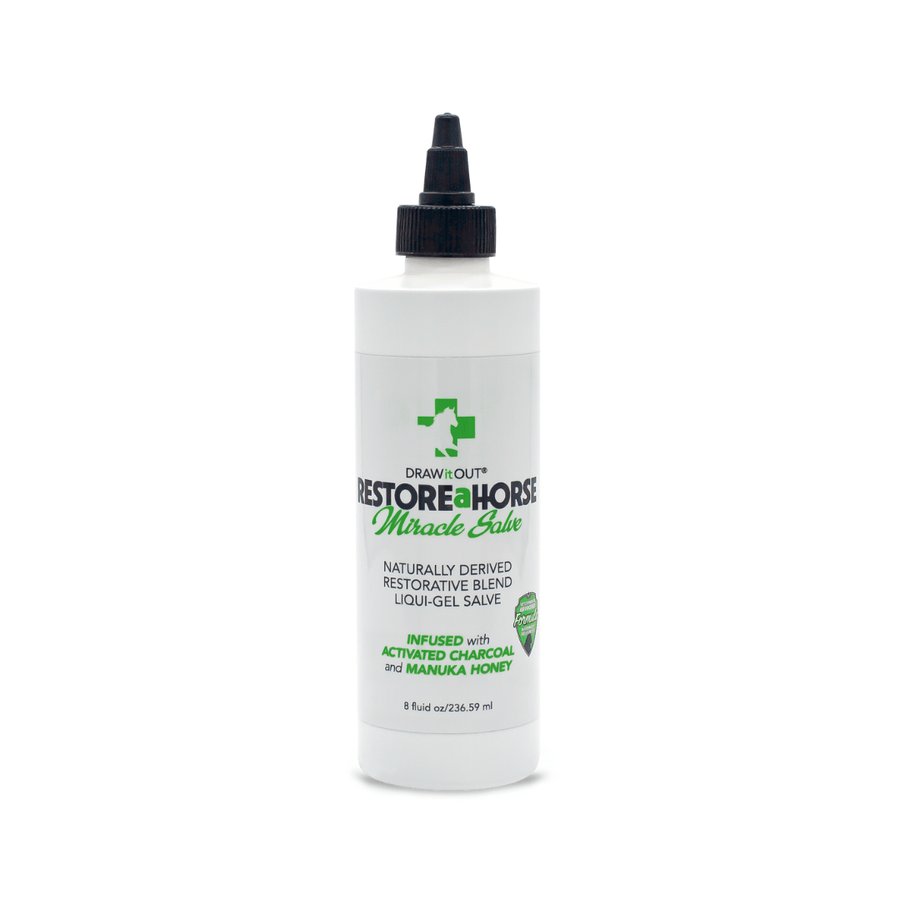
A practical horse skin-care guide for sorting out rain-rot-prone skin, rubs, scrapes, and when a stay-put salve like RESTOREaHORSE® fits ...
!