Workload
Was the session longer, faster, harder, or more repetitive than usual?

Hard-work recovery checklist
A hard ride is not over when the saddle comes off. The recovery routine decides what tomorrow costs.
Quick answer: After a hard workout, check breathing, sweat, hydration, body heat, legs, back, hooves, girth area, attitude, and next-day recovery before deciding whether the horse is ready for the stall, trailer, turnout, or another hard day tomorrow.
The harder the ride, the more honest the recovery check needs to be.
Not every ride needs the same recovery routine. A quiet walk hack and a hard schooling session are not the same thing. Deep footing, heat, hauling, long canter sets, repeated turns, jumps, stops, collection, or a multi-class day all raise the recovery stakes.
A good post-workout routine starts by being honest about the load the horse carried.
Was the session longer, faster, harder, or more repetitive than usual?
Deep, hard, slick, uneven, or changing footing can make normal work cost more.
Heavy sweat, hot weather, and humid conditions change the cooldown and hydration plan.
Hauling before or after hard work adds standing, stress, and hydration concerns.
A horse coming back after time off may feel fine during work but tell on the workload tomorrow.
If tomorrow is also demanding, today’s recovery check matters even more.
Real rider standard: The harder the work, the slower the put-away should be.
Cooldown gives you time to read the horse. Breathing, body heat, sweat, attitude, stride, and willingness all matter after a demanding session.
Walk until breathing and attitude are settling. Do not rush from work to stall or trailer.
Give access to clean water and watch whether the horse is drinking normally for that horse.
Decide whether the horse needs more walking, rinsing, cooling care, shade, fans, or time.
Look at saddle marks, girth area, back, shoulders, legs, hooves, and body sensitivity.
Use today’s workload and next-day response to decide whether tomorrow should be hard, easy, or off.
This is where the routine gets specific. Hard work can show up in different places depending on the discipline, footing, tack, and horse.
| Area | What to check | Why it matters |
|---|---|---|
| Legs | Heat, fill, swelling, tenderness, cuts, boot marks | Leg changes after work can guide the next workload decision. |
| Hooves | Stones, packed footing, loose shoes, cracks, sole tenderness | Footing and hoof issues can show up as body soreness later. |
| Back | Saddle marks, dry spots, sensitivity, dipping, hair disruption | Tack fit and workload can show up after the ride. |
| Shoulders and hindquarters | Reaction to touch, tightness, reluctance, uneven movement | Large muscle groups often tell on hard work. |
| Girth area | Rubs, crusting, swelling, sensitivity, skin irritation | Sweat and friction under pressure can create issues fast. |
| Attitude | Dullness, anxiety, not drinking, reluctance, not acting normal | Behavior can signal heat, fatigue, discomfort, or a bigger problem. |
If the horse is hot, heavily sweating, breathing hard, or not settling, cooling and water access come before any topical routine. Product is not the first move when the horse still needs a basic cooldown.
Call for help: Weakness, abnormal breathing, distress, colic-like signs, not drinking, collapse, fever, or a horse that is not acting normal should be treated as a veterinary concern.
The recovery routine is not finished until you see how the horse looks the next day. A horse may look fine at the wash rack and still show stiffness, fill, reluctance, or dullness the morning after hard work.
Best question: “Did the horse earn another hard day, or did today ask enough?”
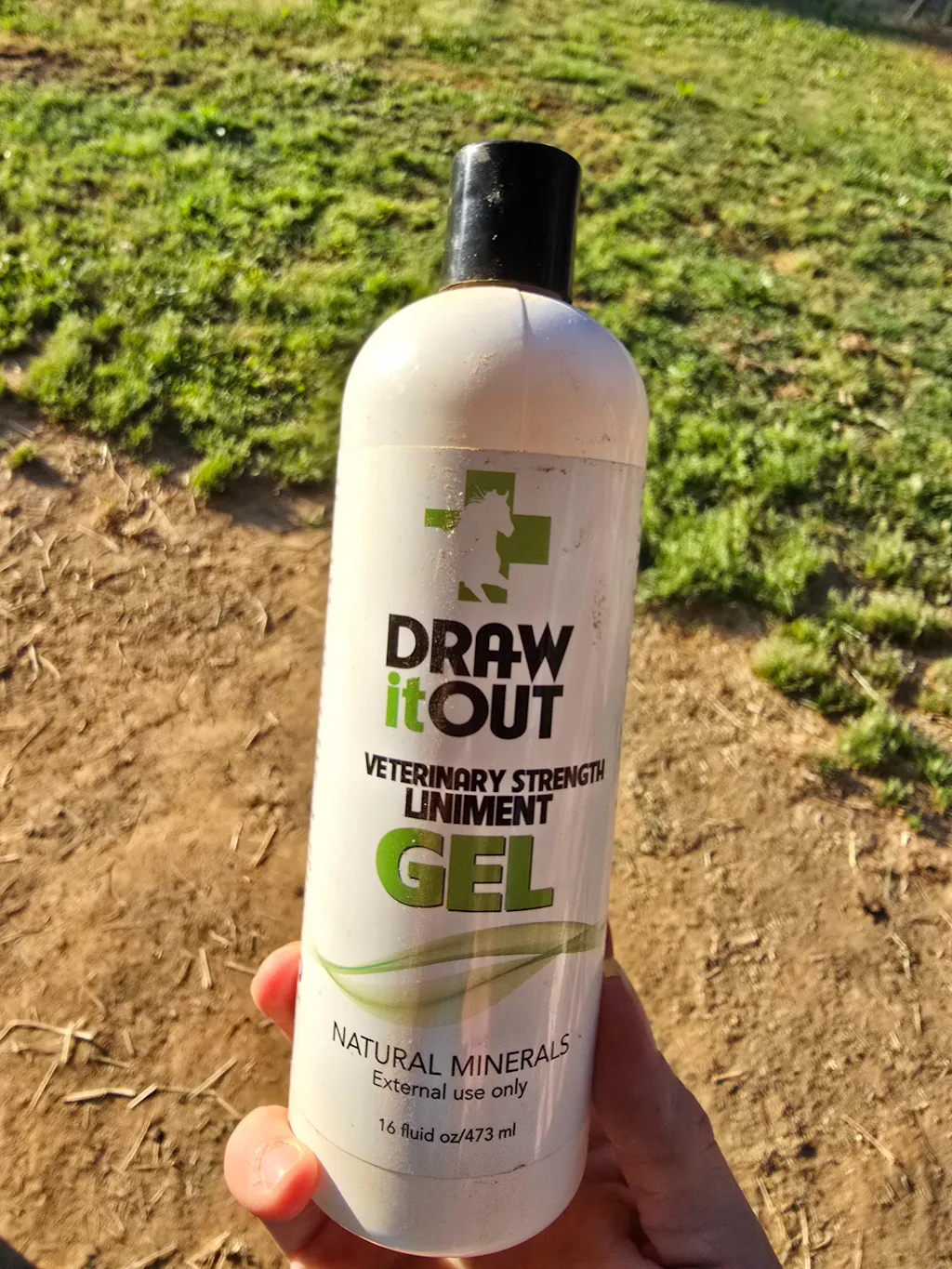
Draw It Out® 16oz liniment gel can fit a post-workout routine as a controlled, hands-on body-care step when the horse has cooled appropriately, been checked, and the target area is clean, dry, and intact.
It should not be framed as reducing inflammation, speeding recovery, promoting circulation, preventing injury, replacing cooldown, or allowing the rider to repeat hard work without listening to the horse.
Hard work has a cost. Prehabilitation is how riders manage that cost before it becomes a problem. It is warmup, cooldown, hydration, hoof care, body checks, workload tracking, and honest next-day decisions.
Walk the horse out, offer water, check breathing and body heat, inspect legs, hooves, back, shoulders, hindquarters, and girth area, then decide whether cooling care, routine support, rest, or veterinary guidance is needed.
Cooldown time depends on fitness, weather, workload, footing, and the horse. Walk until breathing and attitude are settling, then continue checking heat, sweat, hydration, and comfort.
Liniment gel can fit a routine when the horse has cooled, is sound and acting normal, and the target area is clean, dry, and intact. It should not replace cooldown, hydration, veterinary care, or workload adjustment.
Cooling choices depend on heat, workload, weather, horse response, and any veterinary guidance. If the horse is hot, not settling, weak, distressed, or not acting normal, call your veterinarian.
Watch for longer recovery time, unusual stiffness, leg fill, heat, swelling, dullness, poor appetite, changed movement, or next-day reluctance.
Reduce the next workload if the horse shows unusual stiffness, fill, heat, soreness, dullness, reduced appetite, reluctance, or movement changes after hard work.
Yes. Heavy sweat, hot weather, hauling, and poor drinking behavior can affect the recovery picture. Monitor water intake, attitude, manure, and whether the horse is acting normal.
For controlled, targeted body-care routines on clean, dry, intact skin after proper cooldown and checks, Draw It Out® 16oz liniment gel is the practical starting point.
Hard work deserves a better check. Walk out, cool down, water, inspect, listen, and plan tomorrow honestly. Use Draw It Out® where the routine fits, but let the horse’s response lead the next decision.

A complete grullo horse color guide covering grullo vs grulla, dun genetics, dorsal stripes, primitive markings, grullo vs gray, and how ...
Choosing a horse liniment gel without menthol or alcohol starts with comfort, control, and routine fit. This guide helps riders choose a ...
A practical horse health guide for checking tack, body comfort, workload, hydration, legs, hooves, and routine changes when a horse acts ...
!