October 2025 · Real Rider of the Month
Ellie Love
Real Rider spotlight
The care behind the ride, from conditioning and hauling to the quiet work after the arena.

Quick answer: Ellie Love represents the riders Draw It Out® was built to serve: people who value the daily work behind every ride, including conditioning, hauling, cooling out, leg checks, and consistent care when nobody is watching.
Why Ellie’s story matters
A real rider’s program is not defined by one photograph or one run. It is built through repeated decisions: preparing the horse, paying attention during travel, noticing small changes, and finishing the care routine before calling the day complete.
Ellie’s spotlight brings the brand back to those roots. The important part is not a promise about a result. It is the discipline to keep the horse’s needs visible when the schedule is full and the rider is tired.
The routine behind the ride
- Conditioning: readiness develops through consistent, appropriate work.
- Hauling: travel adds workload before the event begins.
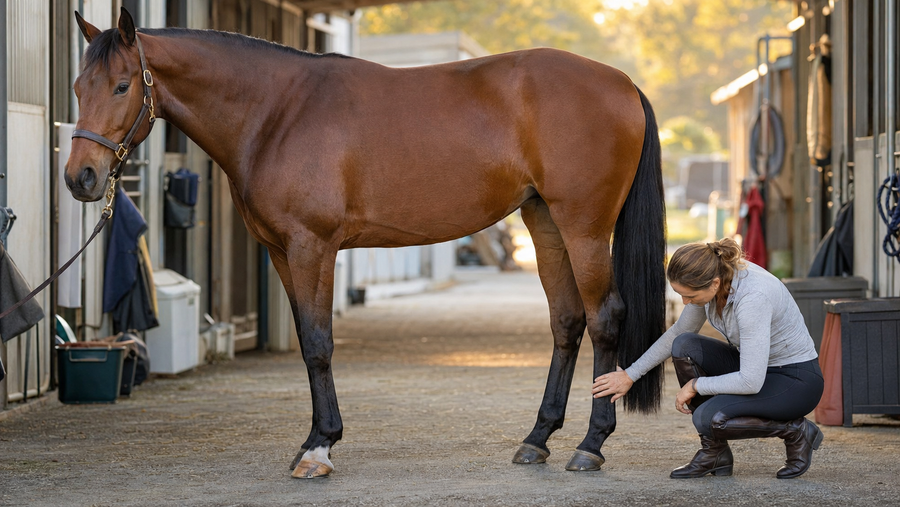
- Post-ride checks: legs, feet, back, tack areas, water intake, attitude, and recovery all provide useful information.
- Consistency: the routine still matters after a great run, a difficult run, or a long drive home.
Care is what happens next
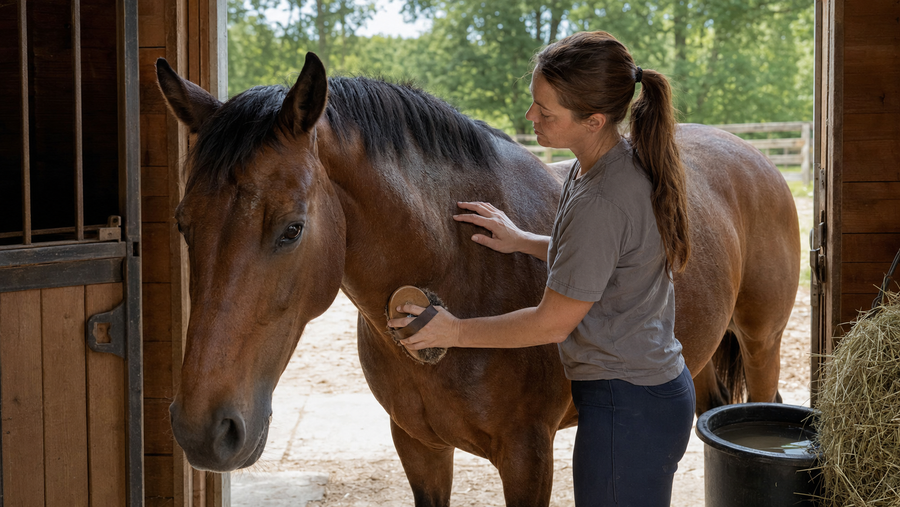
The arena gets the attention, but horse care continues in the quiet minutes afterward. Tack comes off. Breathing and movement are checked. The horse cools down. Water and forage are monitored. Legs and feet are compared with the normal baseline.
That work is not glamorous, but it is where trust is maintained.
Where Draw It Out® fits
Draw It Out® products are designed to fit practical horse-care routines. They do not replace conditioning, good tack, skilled hoof care, hydration, or veterinary guidance. They are tools riders can choose after the horse has been assessed and the job is clear.
Explore Draw It Out® equine care or visit the Horse Health Library.
Bottom line: Ellie Love’s spotlight is about more than one rider. It honors the people who finish the care, keep learning, and put the horse first long after the crowd goes home.