

Jun 12, 2026
Saddle Pad Sweat Lines: What to Check Before Tomorrow’s Ride
A locked-style horse health article on reading saddle pad sweat lines, dry spots, girth marks, back tightness, shoulder soreness, and rec...

Gray hairs aren’t the story—recovery time is. As horses age, collagen turnover slows, joints can feel thick after work, and little compensations add up. Your job isn’t to “retire” the ride—it’s to adjust the plan so your partner can move with dignity and comfort.
These aren’t complaints—they’re clues. Address them early and ride longer.
Senior horses thrive on simple, high-fibre forage, steady access to clean water, and an electrolyte strategy that matches sweat and travel. Keep salt available, add balanced electrolytes during heat, haul, or work, and avoid dramatic feed changes.
Want a deeper dive on recovery & gut support? See Hydro-Lyte® with GastroCell®.
Older feet need vigilance—seasonal cracks, thrush risks, and slower growth all show up faster when work is light. Keep a tight trim cycle, maintain clean, dry standing areas, and support the hoof capsule and skin barrier with products that don’t burn or stain.
Use this 10–15 minute plan before and after most rides:
See the full structured version above in the HowTo schema for search engines.
Odorless, colorless, and wrap-friendly. Perfect post-ride for stiff backs, hips, and hocks.
Manuka honey + arnica support for joints and tendons—easy on, no mess, show-safe.
Daily hoof strength & protection—great fit for seniors that need consistent capsule care.
A locked-style horse health article on reading saddle pad sweat lines, dry spots, girth marks, back tightness, shoulder soreness, and rec...
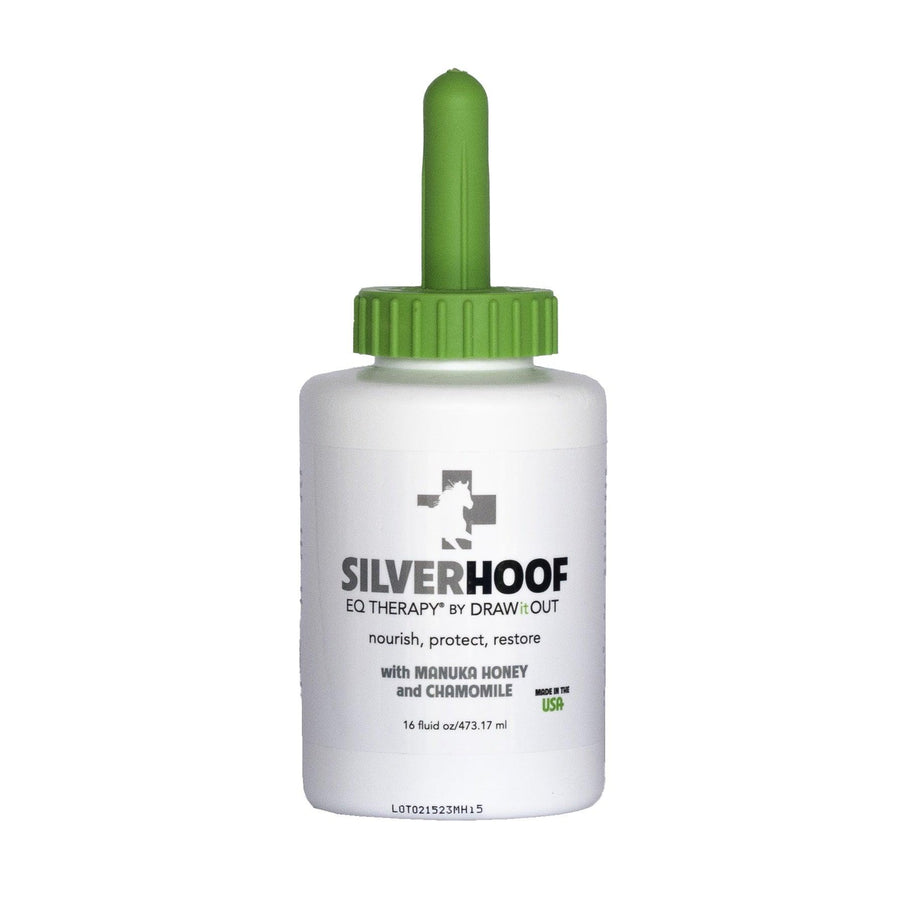
Dry, cracked, or stressed hooves need a consistent hoof-care routine. This guide helps riders decide when Silver Hoof EQ Therapy® fits.
A locked-style horse health article on checking legs, boot lines, wrap marks, sweat, heat, rubs, and recovery after summer rides, hauling...
!