Dec 21, 2025
Winter Back Soreness in Horses: Why Cold Weather Tightens the Topline
If your horse feels hollow, resistant, or sore through the back in winter, it’s rarely a training issue. This guide explains how cold wea...

Wondering when it is the right time to retire your senior horse? You are not alone. Riders across disciplines share the signs, emotions, and turning points that helped them decide — and how Draw It Out® Gel keeps aging partners comfortable along the way.
Retirement is not failure. It is stewardship. It is the moment when the miles you shared outweigh the miles still ahead, and your horse’s comfort becomes the deciding voice.
If your heart is wrestling with the decision, you are doing it right. Only good owners struggle with this question.
In conversations with seasoned riders, trainers, and long-time horsemen, a few patterns show up again and again. These are the quiet hints from your horse that the heavy work might be behind them.
A senior horse that stays stiff longer, stocks up more often, or seems sore after rides that used to be easy is giving you a clue: the effort now costs more.
Even with good nutrition and conditioning, many older horses begin losing topline or glute muscle. It is a natural part of aging and affects workload capacity.
Head bobbing on one rein, swapping leads behind, dragging toes, or bracing through transitions are signals of discomfort, not bad behavior.
Seniors who once worked with confidence may start offering hesitation, pinned ears, or reluctance to move out. Many riders describe it as their horse “telling them something changed.”
Imaging, flexions, or chronic degenerative conditions may put a cap on safe workload. When your vet’s reality meets your horse’s body language, the answer becomes clearer.
Retirement is not just a scheduling change. It is a grief of its own. Riders describe:
You can hold sadness and gratitude at the same time. That mix is normal and it means your horse mattered.
For some horses, retirement is full pasture life. For others, it is light walk rides, groundwork, liberty, or babysitting colts. Many riders say the key is simple:
“My horse told me what pace felt right.”
Retirement does not mean your care routine ends. Seniors often need more support, not less, especially around joints, soft tissue, and recovery from even light exercise.
Riders use Draw It Out® Gel because it is:
Whether you are easing them into retirement or simply slowing the pace, keeping your senior comfortable is one of the greatest gifts you can give.
Nearly every rider said the same thing: once you see your horse clearly, not as they were at their peak but as they are today, the decision gets lighter. Not easier, but lighter.
In that space, retirement becomes less about loss and more about loyalty.
Many horses step down between 15 and 22 depending on discipline, workload, and soundness, though some comfortably work longer with careful management. Age is a factor, but comfort and capability tell a truer story.
Yes, if your vet approves. Many retired horses enjoy light walking rides or low impact sessions that keep them mentally happy without adding physical strain.
Draw It Out® Gel supports comfort in muscles and soft tissue with a calm, sensation free formula. Many senior care riders use it under wraps or boots as part of their maintenance routine. Always follow your veterinarian’s recommendations.
Slow recovery, stiffness after normal work, loss of muscle, reluctance under saddle, chronic compensations, or vet guided limits are all common indicators that a lighter life may be appropriate.
If your horse feels hollow, resistant, or sore through the back in winter, it’s rarely a training issue. This guide explains how cold wea...

Most spring soreness begins in winter. Low water intake, restricted movement, and cold-weather muscle tension silently create the problem...

If your horse feels wooden in winter, the solution isn’t pushing harder—it’s warming smarter. This guide explains why cold weather stiffn...
!
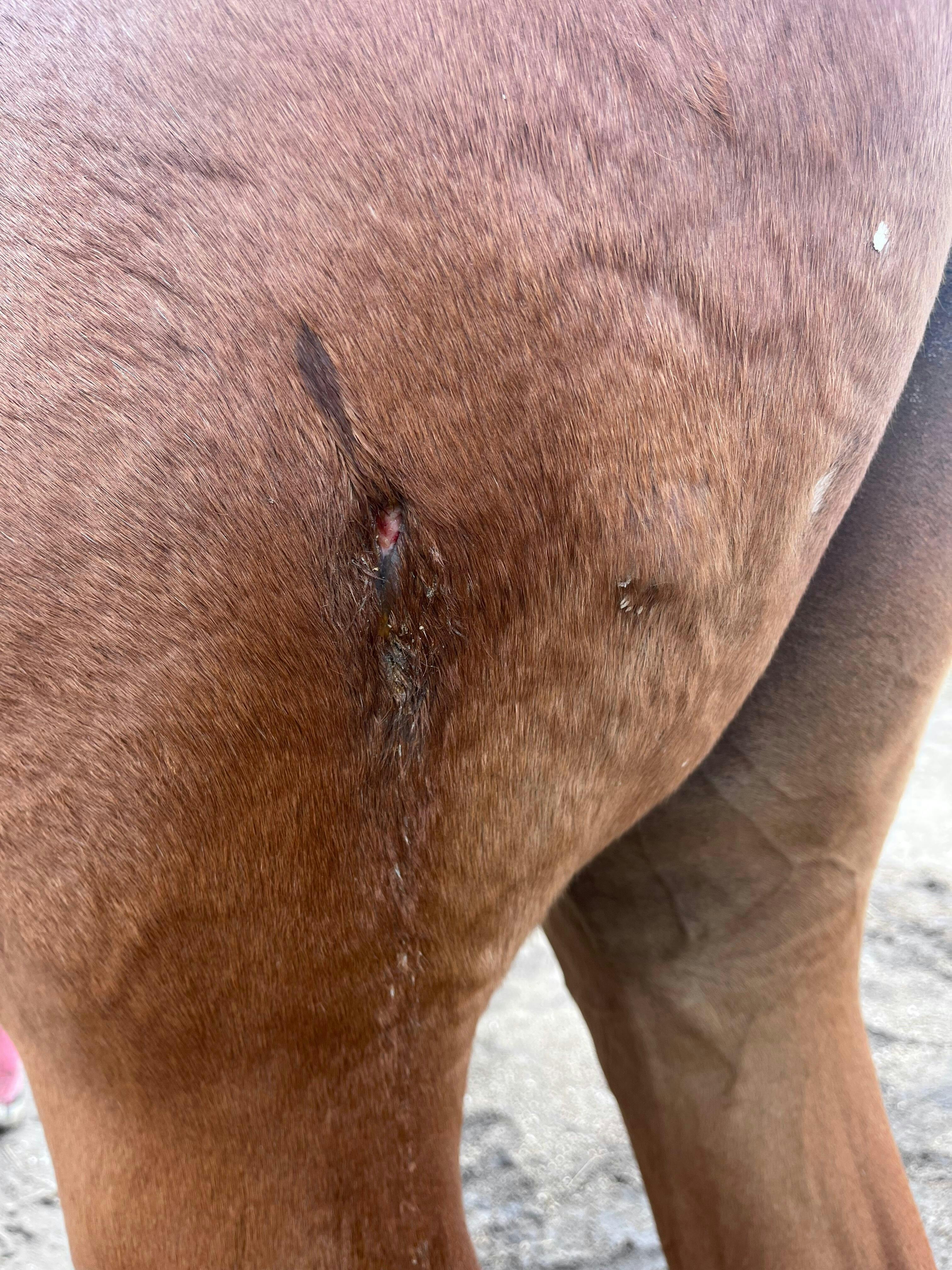
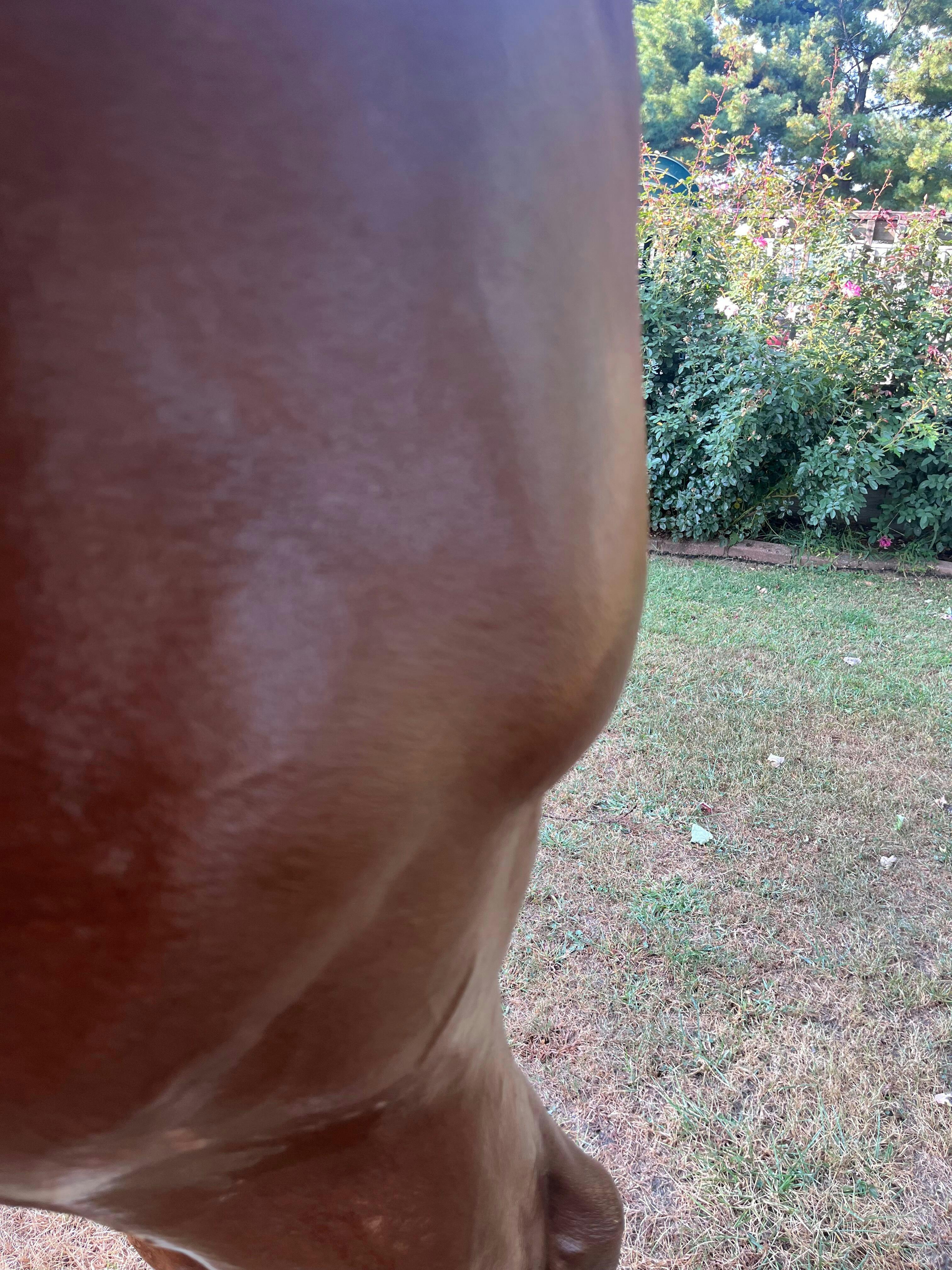
My horse had a huge hematoma I spent months trying to get it to heal. The vet ended up lancing it but it was still having issues draining due to swelling. I had done just about everything I could; poultice 12on/12off, cold hose twice a day, bute, and antibiotics. I felt like I couldn’t stay on top of it. ONE day of using this liniment the results showed immediately. The swelling decreased by 50% and he overall looked a lot more comfortable. A few days later it was healed up and scabbed over.
Christine, thank you for taking the time to share this. That kind of long, frustrating situation is exactly why we built Draw It Out® the way we did. When you’ve tried everything and nothing seems to move the needle, even small progress matters.
We’re grateful you gave the 64oz High Potency Gel a chance and even more grateful it helped your horse finally turn the corner. Stories like this don’t happen overnight and they don’t happen by accident. They happen when care is consistent and the formula does its job quietly.
Thank you for trusting us with your horse. That means everything to us.
— The Draw It Out® Team