K9 by Draw It Out®
Dog Care After Boarding or Daycare: What to Check at Home
Coming home from boarding or daycare is a transition, not a signal to make up for lost playtime. Give the dog a quiet reset, compare behavior and body condition with normal, and know which changes belong with the facility or veterinarian.
Quick answer: After boarding or daycare, offer a calm bathroom break, normal access to water, a familiar resting place, and the dog's usual meal plan. Check breathing, cough, eyes, nose, appetite, stool, urine, paws, coat, collar and harness areas, movement, and energy. Contact a veterinarian for breathing trouble, repeated vomiting or diarrhea, blood, collapse, severe lethargy, painful movement, dehydration concerns, fever, or a cough that is frequent or worsening.
Ask the facility for a clean handoff
Before leaving, ask how the dog ate, drank, slept, played, eliminated, and interacted. Confirm whether staff noticed coughing, vomiting, loose stool, limping, skin irritation, a scuffle, medication issues, or unusual fatigue. Ask which dogs shared the group and whether the facility has reported illness concerns.
Write down the timeline. A clear answer about when a cough, limp, or stomach change began helps the veterinarian and facility respond faster. Do not assume that every symptom came from boarding, but do not hide the travel or group-exposure history either.
Run a ten-minute home check
- Watch the first walk. Note stiffness, limping, toe dragging, reluctance to turn, or unusual weakness before excitement and rest change the picture.
- Look at breathing and gums. Breathing should settle in a comfortable environment. Gums should look normal for that dog, not pale, blue, gray, or unusually dark red.
- Check eyes, nose, and cough. Note discharge, squinting, repeated sneezing, honking, gagging, or a cough that occurs at rest or after light movement.
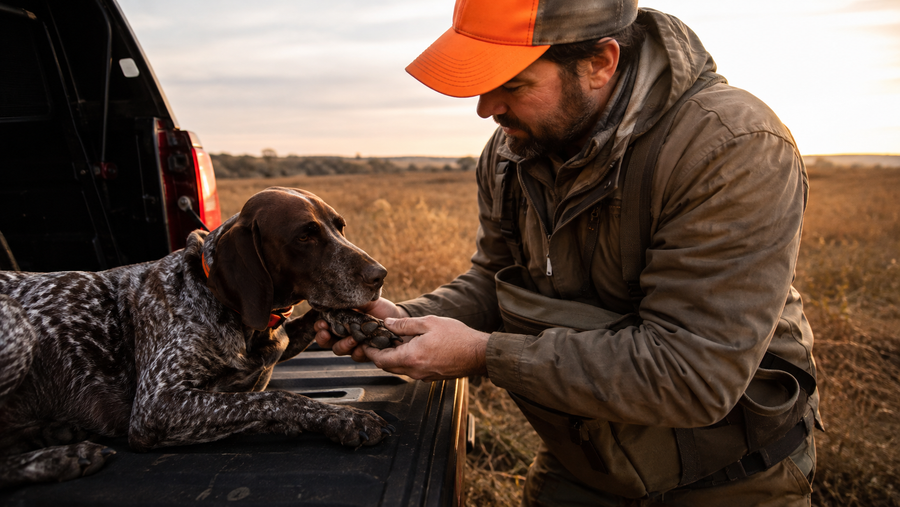
- Inspect paws and skin. Check pads, nails, between toes, belly, armpits, ears, tail base, collar line, and any area clipped or rubbed by gear.
- Track food, water, urine, and stool. Compare with the dog's normal and record vomiting, diarrhea, straining, blood, appetite loss, or unusual thirst.
- Choose rest over a reunion workout. Give the dog a quiet familiar space and postpone dog parks, long hikes, bathing, and hard fetch until the initial check is clear.
Fatigue and decompression can look different from illness
A busy dog may sleep more after coming home, and a social or anxious dog may need time to settle. Rest should still look comfortable. The dog should be responsive, able to rise, willing to drink, and gradually returning toward normal. Severe lethargy, weakness, pain, or a dog that cannot settle is different from ordinary tiredness.
Keep the first evening predictable. Use the usual food unless the veterinarian advises otherwise. Avoid rich treats and a sudden large meal. Separate the returning dog from vulnerable pets if coughing, diarrhea, vomiting, or a facility illness notice raises an infectious-disease concern.
Know when to call the facility
Contact the boarding or daycare facility when the dog comes home with a new wound, missing medication, collar damage, unexplained limping, cough, vomiting, diarrhea, or behavior change. Ask factual questions and share the timing. The facility may have exposure information that changes the veterinary decision.
The facility cannot diagnose the dog. If symptoms are significant, contact the veterinarian first or at the same time. Save receipts, discharge notes, medication logs, and photos when follow-up may be needed.
Veterinary red flags after boarding or daycare
- Labored breathing, pale or blue gums, collapse, or marked weakness
- Repeated vomiting or diarrhea, blood, a swollen abdomen, or inability to keep water down
- Frequent or worsening cough, fever, discharge with lethargy, or breathing change at rest
- Non-weight-bearing lameness, painful swelling, a serious wound, or severe skin reaction
- Refusal of food and water with dullness, pain, or other abnormal signs
Call the veterinarian and describe the boarding or daycare exposure. Ask whether the dog should wait outside or use a separate entrance if contagious respiratory or gastrointestinal illness is possible.
Where K9 external care fits
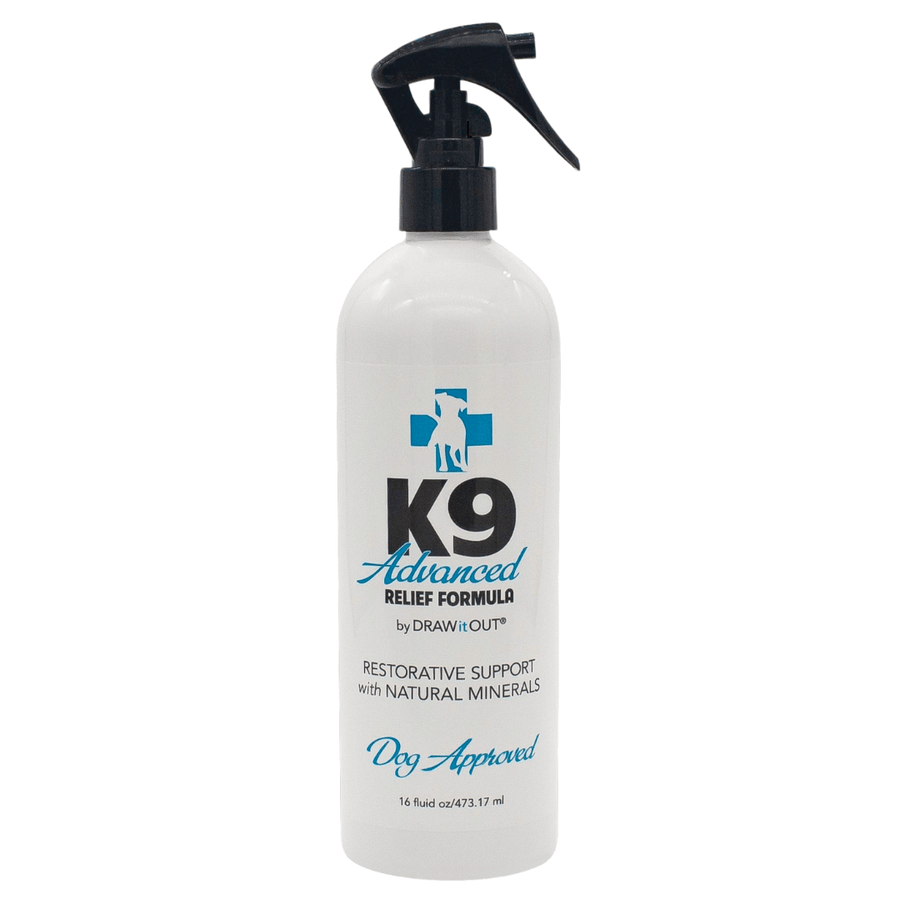
Use the K9 Dog Care Routine Hub to separate body-care, coat-care, and veterinarian lanes. Once the dog is moving normally and has no red flags, K9 Advanced™ Relief Spray can fit label-directed external care after play or travel.
The K9 Barn Dog Care Kit supports a simple spray and coat-care routine. It does not treat cough, infection, vomiting, diarrhea, dehydration, pain, or injury.
Frequently asked questions
Is it normal for a dog to sleep a lot after boarding?
Extra rest can follow a busy stay, but the dog should be comfortable, responsive, able to rise, and moving toward normal. Severe lethargy, weakness, pain, or appetite and breathing changes need veterinary guidance.
Why is my dog coughing after daycare?
Group settings can expose dogs to respiratory irritants or infectious illness. A new cough should be reported to the facility and veterinarian, especially when frequent, worsening, or paired with fever, discharge, lethargy, or breathing change.
Should I bathe my dog immediately after boarding?
Not automatically. First check movement, skin, paws, energy, and temperature comfort. Bathing can wait if the dog is exhausted, ill, painful, or has irritated skin that needs evaluation.
When should I feed my dog after daycare?
Return to the dog's normal meal plan unless the facility or veterinarian gave different instructions. Avoid a sudden oversized meal after hard activity, stress, vomiting, or diarrhea.
Should I keep my dog away from other dogs after boarding?
If the dog coughs, vomits, has diarrhea, or the facility reports illness exposure, limit contact and ask the veterinarian about isolation and examination.
Educational note: This article provides general information and does not diagnose or treat an animal. Follow product labels and work with the veterinarian or other qualified professional when health, pain, injury, or safety is uncertain.