

Jun 05, 2026
The Real Rider Recovery Kit: What to Keep in the Barn
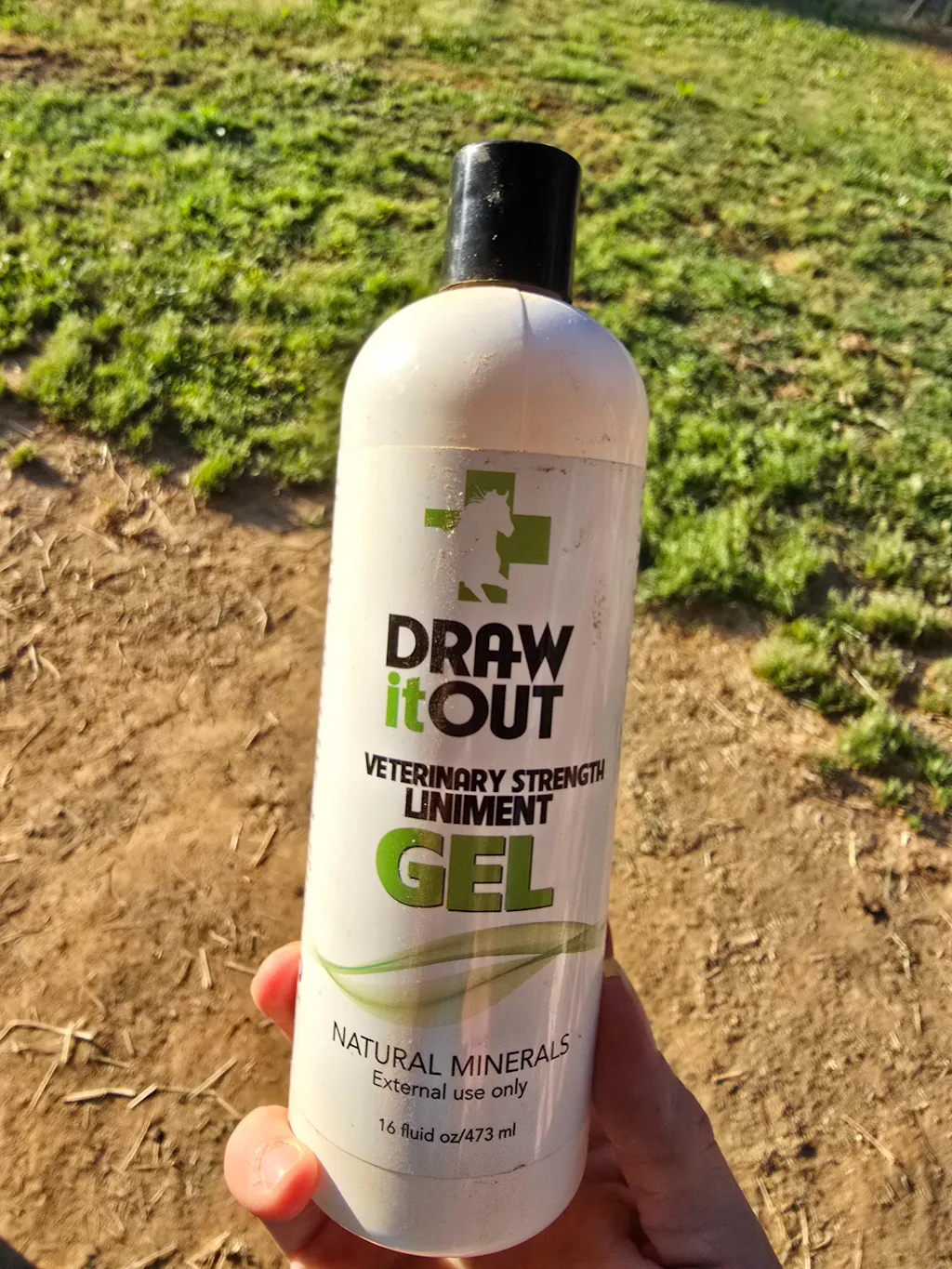
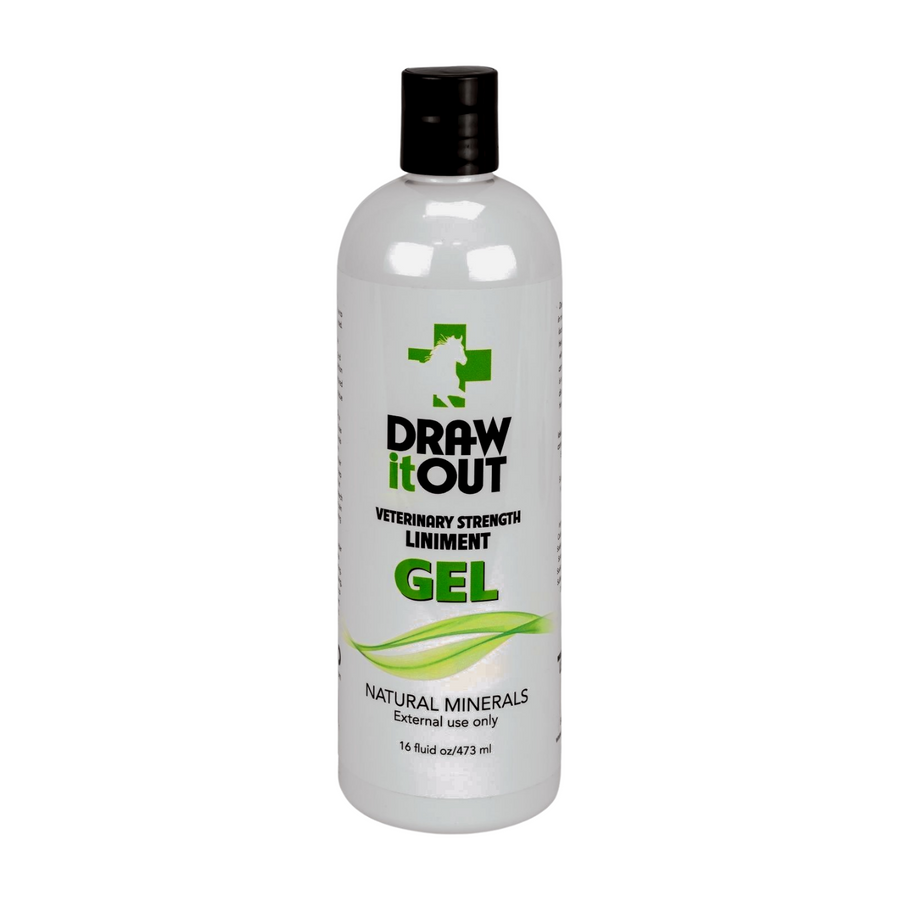
A practical barn recovery kit helps riders choose the right product quickly. This guide builds a simple Draw It Out® care kit.

Fetch is sprint training in disguise. The throwing is fun. The stopping and turning is what stacks stress. This routine keeps the recovery calm, fast, and repeatable.

Most dogs do not play fetch at a steady pace. They explode, stop hard, and pivot fast. That is a lot of load on shoulders, hips, back, and paws. If you only change one thing, change how you start and how you finish.
Educational only. If your dog is limping, swelling, yelping, refusing weight, or worsening fast, contact your veterinarian.
The post-exercise guide is the clean default for big play days, hikes, and working dogs.
Start with short tosses for the first minute. Let tendons and muscles wake up before the hero throws. Most soreness starts when a dog goes from still to full speed.
Long straight throws are easier than tight zigzags. If you throw side to side in a small area, your dog is cutting hard every rep.
End one set sooner than you think. A dog will run past their own limits because the game is the reward. You are the brakes.
Prehabilitation is a horse page, but the principle carries. Small habits done early beat big fixes done late.
That depends on age, conditioning, surface, and how hard your dog plays. A good baseline is to keep sessions shorter, add a warm up and cool down, and watch next-day stiffness as feedback.
Softer, stable footing is usually easier than hard surfaces, but slick grass can also cause slips. Choose a surface that does not force sliding, and keep turns wide.
Limping, swelling, yelps, refusal to bear weight, or worsening pain. Pause activity and contact your veterinarian.
A practical barn recovery kit helps riders choose the right product quickly. This guide builds a simple Draw It Out® care kit.
A practical horse health guide for hot weather riding, hydration awareness, recovery checks, cooling routines, and when heat stress conce...
A practical guide to checking pasterns, heel bulbs, and lower-leg skin, including when a stay-put horse skin salve fits the routine and w...
!