

How to Judge a Horse Liniment Without Smell or Sting
A loud smell is not proof. A hot or icy feel is not proof either. In real barns, the better test is simpler: does the liniment fit the routine, does the horse tolerate it calmly, and will you keep using it consistently?
Read aloud
Choose horse liniment by its complete label, intended use, application format, and the horse’s response. A quiet formula is not automatically safe under equipment. Use pads, boots, or wraps only when the exact label allows them and the equipment is properly fitted.
The sensation trap
Your hand doesn’t need proof. Your horse needs support.
Menthol cooling, alcohol sting, strong fragrance, added color, and surface heat are easy for a rider to notice. That immediate feedback can trigger a familiar mental shortcut: if I can feel it, smell it, or see it, it must be working.
The sensation itself is real. The leap from sensation to effectiveness is the trick. A topical does not become better horse care merely because it performs for the person applying it.
Draw It Out® takes the quieter route: sensation-free, odorless, colorless, no menthol, no alcohol, and no burn-and-blister theatrics. Judge the routine by the horse, the label, consistent hands-on checks, and what you can observe over time.
In this guide
Why riders get fooled by smell and sensation
Horse care has a long habit of rewarding things that announce themselves. If a liniment smells sharp, feels hot, feels cold, or makes the skin react, it is easy to assume it must be stronger. That is not a crazy assumption. It is just an old one.
What that kind of product often proves is not effectiveness. It proves that the formula creates a noticeable surface response. For some riders and some routines, that may be part of the goal. But for daily use, sensitive horses, crowded barns, and competition-aware programs, drama is not always the feature people think it is.
The question is not “Can I feel it?” The better question is “Can I live with it in a real routine?”
Use the horse liniment application guide for the complete use routine. This page has a narrower job: a practical buying and handling checklist that separates sensory appeal from useful product information.
What actually matters more
If you strip away the marketing theater, most riders care about the same few outcomes. They want a product that is easy to place, easy to repeat, easy on the horse, and compatible with the rest of the barn day.
1. Routine fit
Can you use it before work, after work, or during heavier weeks without turning the process into a production?
2. Horse tolerance
Does the horse stay relaxed, or do you get flinching, fussing, brace, or skin sensitivity every time it goes on?
3. Placement control
Can you put it exactly where you want it, or does it run, drip, spread too fast, or force broad application when you wanted precision?
4. Barn friendliness
Does it leave a heavy smell, dye transfer, sticky finish, or extra friction when you are trying to tack up or wrap cleanly?
5. Repeatability
Do you actually keep using it, or does the routine get skipped because the whole experience is too messy, loud, or irritating?
6. Program confidence
Does the label and feel fit a calm, show-aware system, or does it raise questions you would rather not deal with later?
Five practical checks before choosing a liniment
Check one: the label and the job
Confirm the intended species, body areas, amount, frequency, and precautions on the bottle you will actually use. Read the full ingredient information, not just “natural,” “cooling,” or “menthol-free.” For a show, check the current rules and ask the appropriate professional when anything is uncertain. A familiar smell is not a compliance check.
Check two: handling precautions, not a hand test
Do not apply horse liniment to yourself to test its strength or suitability. Follow the label’s handling, glove, handwashing, and eye-contact precautions. Whether a product calls for gloves is a handling instruction, not a score for quality. The horse liniment safety guide separates horse, dog, and human product routes.
Check three: placement and equipment
Choose a format you can apply to the intended area as directed. Ready-to-use gel fits controlled placement; concentrate requires label-directed preparation. Do not infer wrap or tack compatibility from low odor, a clean finish, or absorption alone. Use the exact label and properly fitted equipment.
Check four: the horse’s response
Observe the skin and the horse during and after label-directed use. Stop if application causes discomfort or an unexpected skin change. Calm acceptance is useful tolerance information, not proof that a product treats pain or improves recovery. New lameness, marked heat or swelling, a wound, or worsening signs need veterinary assessment rather than another product trial.
Check five: a routine you can record
Keep notes on the product, application area, timing, workload, skin, and movement. A coat that feels tidy or a horse that stands quietly does not isolate a treatment effect. Use the product only at its label-directed frequency; do not add more because there is no tingle. Ask your veterinarian how to assess a specific health concern.
Why format changes the whole experience
A lot of buying mistakes blamed on ingredients are really format mistakes. Riders say a liniment felt like too much when what they really mean is that it spread too broadly, dried too fast, or would not stay where they put it.
That is why format matters so much:
- Liniment gel is usually the easiest place to start when you want targeted, stay-put control.
- Concentrate makes more sense when you want flexibility for sprays, sponges, or wrap routines.
- Ready-to-use spray works when speed and coverage matter more than pinpoint placement.
If you are not sure which setup matches your horse, the cleanest route is to start with the Solution Finder, then build a steadier support system through Prehabilitation.
What a calm liniment usually signals
When a liniment does not smell loud or sting on contact, that often signals a different design philosophy. It is usually built to stay in the background. That can be a real advantage for riders who care about:
- daily use
- sensitive horses
- shared barns and show aisles
- label-directed equipment compatibility, not an assumption based on absorption
- a cleaner, more repeatable recovery routine
That quiet profile is one reason so many riders now browse the full liniment collection by routine instead of chasing the strongest sensory hit.
When stronger sensation may still appeal to some riders
Fair is fair. Some riders still prefer traditional hot or icy feedback because it feels immediate and familiar. It gives a strong signal that something has been applied. That does not make them wrong. It just means the buying trigger is different.
The issue is when sensation becomes the only test. Once that happens, riders can miss the things that matter more over time: tolerance, ease, consistency, and whether the product still makes sense three weeks later.
Where to go next
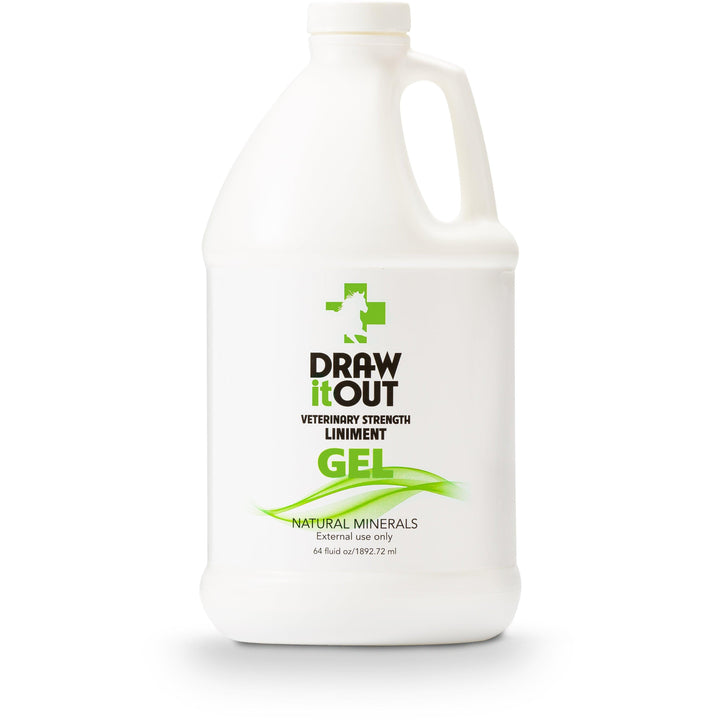
For targeted, ready-to-use horse care, compare Draw It Out® 16oz Horse Liniment Gel with the job in front of you. Check current options and directions on the product page.
Frequently asked questions
Does a horse liniment need to smell strong to be effective?
No. Odor intensity is not a measure of effectiveness. Read the complete label and supporting product information, then assess application fit and skin tolerance separately. Neither fragrance nor a tidy finish proves a clinical benefit.
Does a liniment need to sting or feel hot to work?
No. Some formulas intentionally create a warming or cooling sensation, but its intensity alone does not compare results in horses. Do not test an equine topical on your own skin or use sensation to override label precautions.
What is the best way to judge a liniment gel?
Start with the species, intended use, directions, and warnings. Then compare placement control, the horse’s skin response, equipment instructions, and practical use. Those checks help you choose a suitable routine; they do not establish that a product treats an injury.
Is liniment gel usually better for targeted use?
Yes. Liniment gel is often easier to control on specific areas because it stays put better than thinner formulas. That makes it useful for riders who want precision and cleaner application.
Where should I start if I do not know which format fits my horse?
Use the Gel vs Spray vs Concentrate guide to compare formats, then the horse liniment application guide for the use routine. The Solution Finder can help you choose the next relevant guide.
Informational only. Follow label directions. For medical concerns, active skin problems, or a horse that is worsening instead of settling, consult your veterinarian.


