Real Rider Resource
The Barn Habit That Saves More Rides Than Talent
The habit is not flashy: stop, look, touch, and watch the first steps before the saddle goes on. Good riders do this so often it barely looks like a system. It is still the system.
Most ride-saving information appears early
A horse rarely hands you a written warning. The clue may be standing differently, taking one shorter step, resenting the brush, drinking less, filling in one leg, acting unusually dull, or feeling tighter than normal during the first few minutes.
The point is not to turn every small change into panic. The point is to know the horse’s normal well enough that a meaningful change earns a second look before speed, pressure, distance, or collection gets added.
Attitude
Eyes, ears, appetite, interaction, and willingness to leave the stall or pen create the first baseline.
First steps
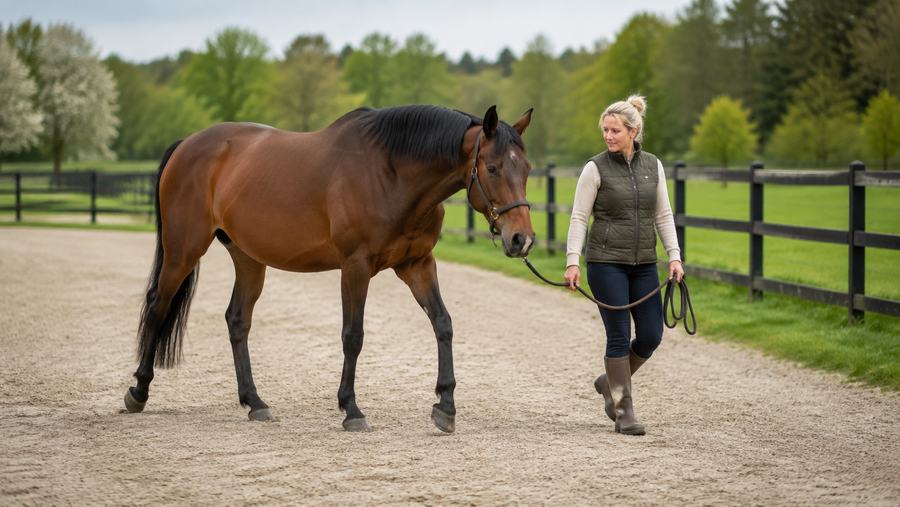
Watch the horse walk straight, turn both directions, and move over before assuming the ride will warm everything out.
Legs and feet
Compare sides for heat, swelling, tenderness, digital pulse, shoe changes, packed debris, or a new stance.
Back and tack
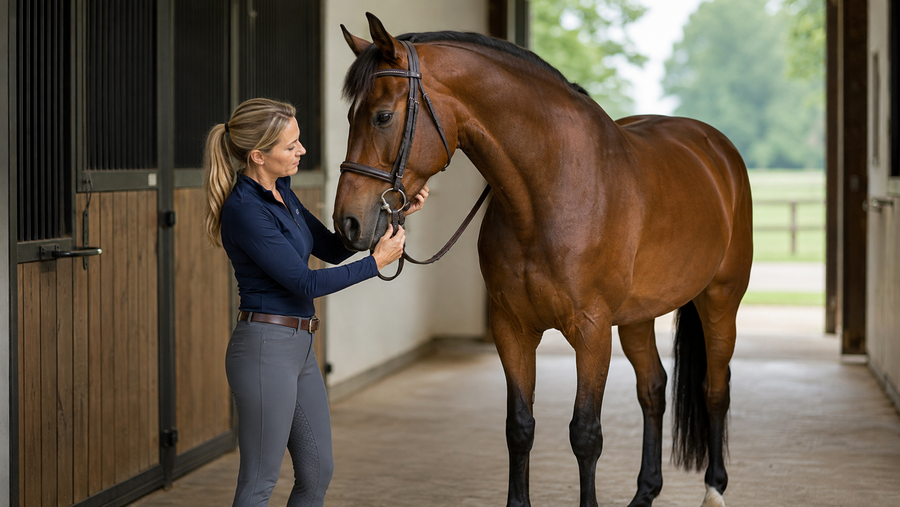
Brush with attention, check the back and girth area, then inspect pads, billets, cinches, and saddle placement.
Build the habit into ordinary chores
- Look at the horse before catching.
- Watch the walk from stall, pen, or pasture.
- Run hands down the legs and check the feet.
- Brush the back, shoulders, girth, and saddle area with attention.
- Review yesterday’s work, hauling, turnout, weather, and recovery.
- Decide whether today is a normal ride, a lighter ride, groundwork, rest, or a call for help.
Where Draw It Out® fits
When the horse checks out and normal body-care support fits the day, Draw It Out® 16oz Liniment Gel is the straightforward topical route. Use it according to the label as part of a repeatable pre-ride or post-ride routine, never as a way to hide pain or push through a warning sign.
View Draw It Out® 16oz Liniment Gel → · Use the Horse Solution Finder
When the product question stops
Do not use warming up as a test for whether a horse is safe to ride when the horse is visibly lame, painful, swollen, febrile, neurologic, or markedly different from normal.
Observation belongs to the rider. Diagnosis belongs to the veterinarian and other qualified professionals. The habit saves rides because it moves the right problem into the right lane sooner.
Frequently asked questions
What should I check before every ride?
Check attitude, appetite, first steps, legs, feet, back, tack, hydration, and anything that changed since the last work.
Does changing the plan teach the horse to avoid work?
No. A thoughtful adjustment based on real physical or environmental information is horsemanship, not surrender.
When should I call a veterinarian?
Call for lameness, marked heat or swelling, fever, wounds, colic signs, abnormal breathing, severe pain, neurologic changes, or a sudden major change from the horse’s normal.
General horse-care and riding education only. It does not replace veterinary care, farrier care, saddle fitting, or professional training.