Quick Answer
If a horse quits earlier than normal, stop blaming attitude and compare heat, breathing, sweat, fitness, footing, workload, water, appetite, feet, legs, back, tack, training clarity, and recovery. Call the veterinarian for abnormal breathing, weakness, collapse, lameness, pain, fever, colic signs, or a sudden persistent performance decline.
“Quitting” may look like slowing, refusing an exercise, losing response, breaking gait, stopping at a gate, or mentally checking out. That description does not tell you whether the limit is physical, emotional, learned, or created by the rider.
Find the Exact Point of Change
Record when the horse fades, which direction or exercise is involved, the conditions, and whether a break restores normal response. A horse that quits after ten minutes in heat presents a different pattern from one that refuses one specific turn.
Check Heat and Breathing
Stop for labored breathing, weakness, poor coordination, abnormal temperature, unusual sweat, or recovery that stalls. Move to shade and airflow, cool appropriately, offer water, and contact the veterinarian when signs are concerning.
Review Fitness and Workload
Count warm-up, schooling, travel, footing, hills, classes, and recent days. The horse may understand the task but lack conditioning for the duration or conditions.
Capacity includes strength, fitness, confidence, and understanding.
Check the Body and Tack
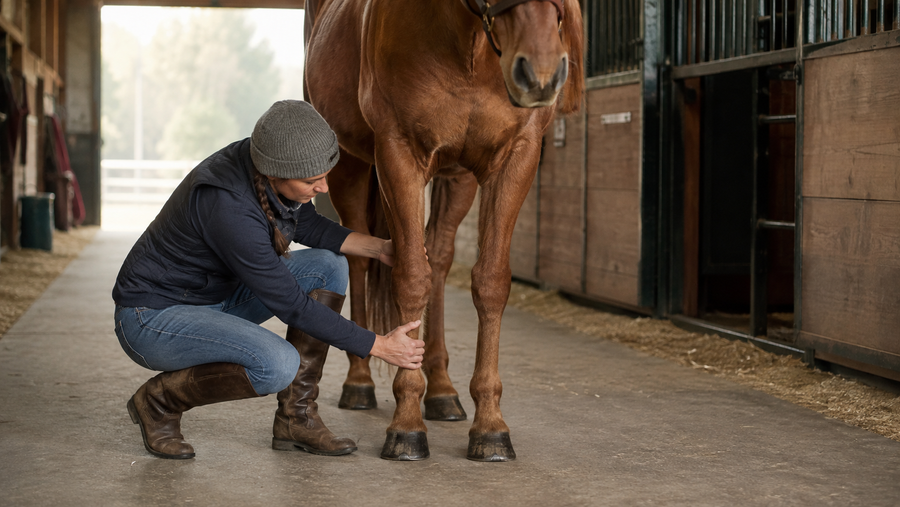
Review feet, shoes, legs, back, girth area, mouth, saddle, and movement. Pain can alter willingness and performance. New lameness, heat, swelling, wounds, or a marked behavior change needs professional evaluation.
Check Training Clarity
A horse may stop trying when the cue is inconsistent, the release never comes, or repetition continues after the horse has answered. Ask a trainer to assess rider timing and whether the progression is fair.
Plan the Next Step
Lower duration or difficulty, change one variable, reward a clear response, and end before exhaustion. If the pattern repeats, use How Real Riders Know When to Ask for Help.
Where Draw It Out® Fits
An external Draw It Out® liniment may fit a familiar, label-directed post-work routine for an appropriate horse. It does not create fitness or diagnose early fatigue.
FAQ
Why does my horse quit early?
Heat, fatigue, pain, footing, tack, conditioning, confusion, fear, and recovery can all contribute.
Should I push harder?
Not before assessing the horse and the pattern. More pressure may worsen fatigue, fear, or pain.
When should I call the veterinarian?
Call for abnormal breathing, weakness, collapse, lameness, pain, fever, colic signs, or a sudden persistent decline.
General riding education only. This article does not diagnose a horse and does not replace veterinary care.