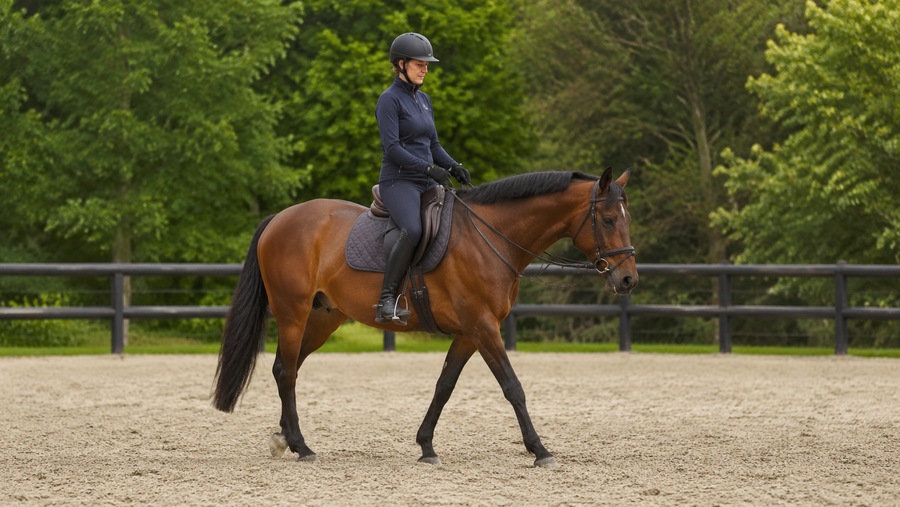
When a Horse Needs an Easy Day, Not a Day Off
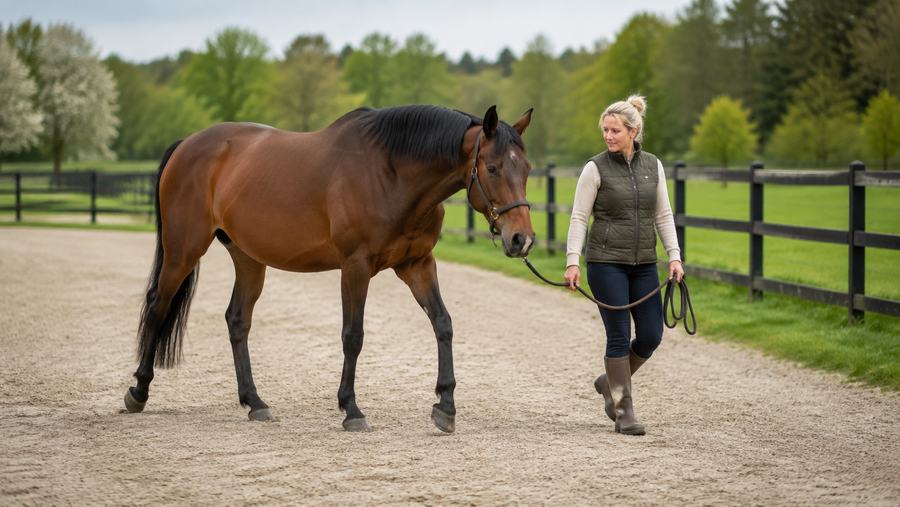
An easy day may suit a sound horse that benefits from low-stress movement. Learn when to choose walking, turnout, light work, rest, or veterinary help.

Holiday weekends make people hurry. Good horsemen slow down long enough to check the horse, trailer, weather, water, paperwork, and recovery plan before loading.
Real riders do not build good horses by pretending everything is fine. They notice small changes early, write down what changed, and make a fair decision before the horse has to get louder.
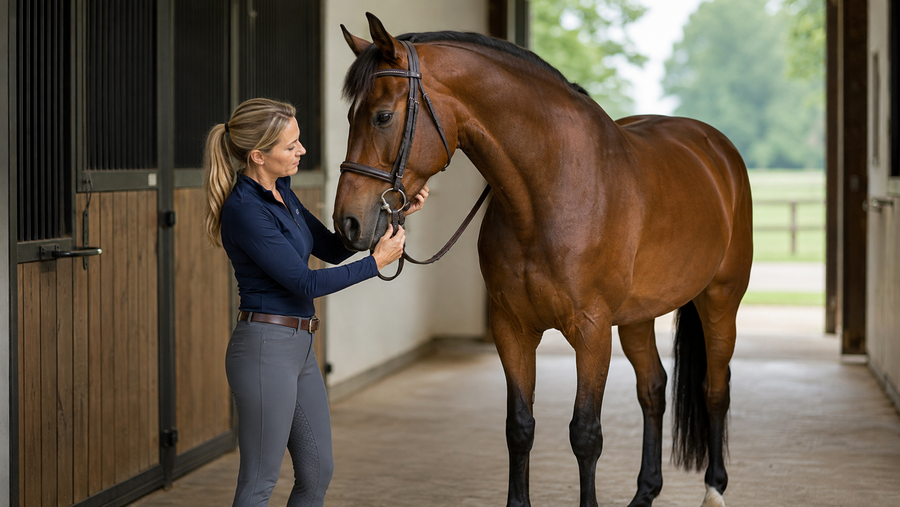
What Real Riders Check Before a Holiday Weekend Haul starts with observation. Check trailer footing and ventilation, water plan, legs before loading, compare it to the horse's normal baseline, and change the plan before asking for more.
This is not about making barn life complicated. It is about making the work honest. Horses live inside patterns: weather, footing, tack, water, hauling, feed, rider mood, and recovery all leave fingerprints. When a rider ignores those fingerprints, the horse usually pays.
Before adding pressure, add clarity. Walk the horse. Check both sides. Look at feet, legs, back, tack marks, water, manure, appetite, attitude, and how the horse recovered from the last ride. Then decide whether today is a work day, an easy day, a hand-walk day, or a call-for-help day.
Draw It Out® products belong inside a thinking barn routine, not in place of one. Start with the Horse Health Library and the What Does My Horse Need? guide when sorting out what kind of support makes sense. If the horse needs external post-ride support, use the active horse liniment collection to choose the right format.
Call your veterinarian, farrier, saddle fitter, trainer, or another qualified professional when the pattern is painful, unsafe, worsening, repeated, or outside your lane. Real riders bring in the right help before pride makes the problem bigger.
What Real Riders Check Before a Holiday Weekend Haul starts with observation. Check trailer footing and ventilation, water plan, legs before loading, compare it to the horse's normal baseline, and change the plan before asking for more.
Track trailer footing and ventilation, water plan, legs before loading, hay and feed timing, weather route, arrival recovery, plus weather, footing, workload, and next-day recovery.
Ask for qualified help when a pattern is painful, unsafe, worsening, repeated, or outside your experience.
Good care is quiet, consistent, and honest. Check the horse. Change the plan when the horse tells you to. Then show up tomorrow with the same discipline.
An easy day may suit a sound horse that benefits from low-stress movement. Learn when to choose walking, turnout, light work, rest, or veterinary help.
A Real Rider Resource guide for handling rides that start wrong by simplifying the ask and protecting the horse’s try.
Before changing bits, check dental and mouth comfort, current fit, rider hands, tack, training clarity, body comfort, and when resistance appears.
!