Quick answer: Horses build fitness, understanding, and confidence through repeatable work followed by adequate recovery. An occasional long or intense weekend ride cannot replace a steady program, and sudden workload spikes can leave the horse tired, sore, or mentally sour.
The weekend is when many riders finally have time. That is real life. The mistake is asking Saturday and Sunday to carry an entire week’s conditioning, schooling, and ambition. One big ride does not fill the gaps in a program. It usually reveals them.
Consistency Does Not Mean Riding Every Day
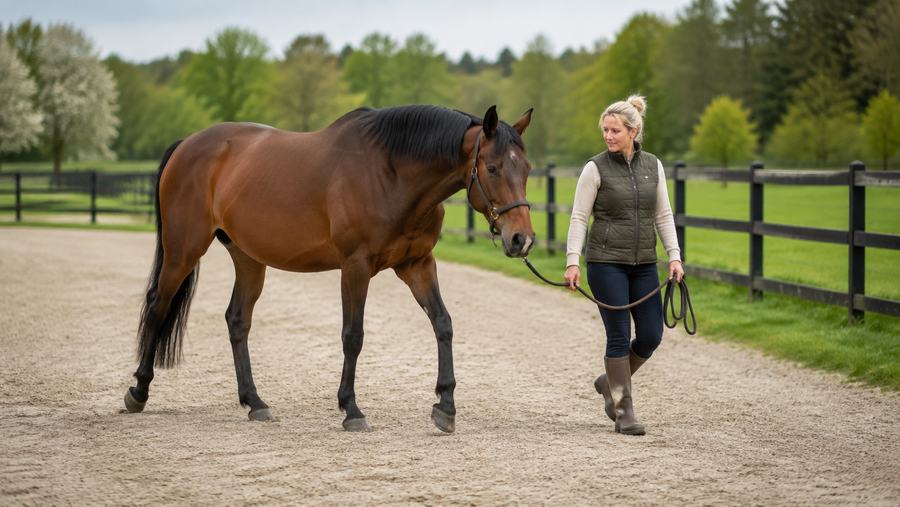
A consistent program can include rides, groundwork, hand walking, turnout, rest, and professional care. The point is not constant work. The point is a workload the horse can understand, recover from, and build upon.
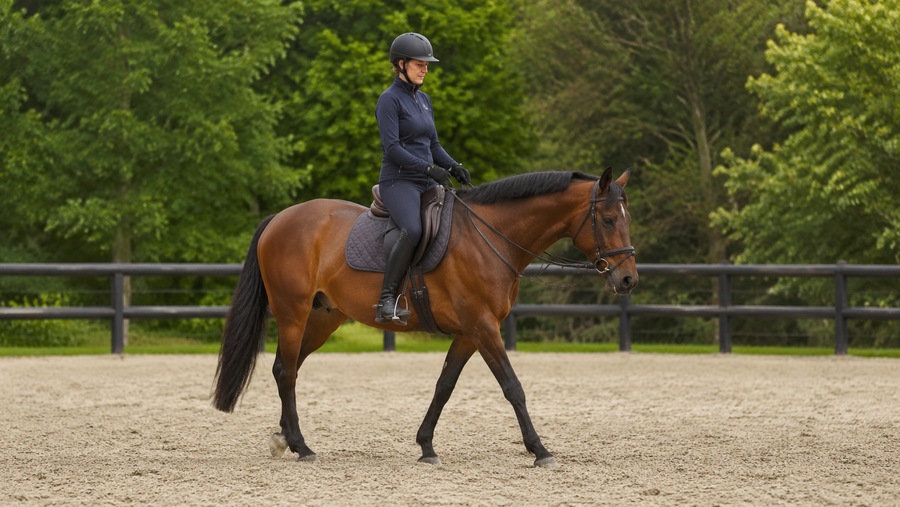
A short correct session may do more for the horse than a long ride that ends with lost rhythm and fatigue. Five clean transitions, a balanced walk over varied ground, or a quiet trailer-loading session can all move the program forward.
Conditioning and confidence are built by what the horse can repeat, not by how impressive one day looks.
Why Weekend Overload Backfires
When weekly work is light and the weekend suddenly brings distance, speed, deep footing, hills, repeated patterns, or multiple classes, the workload spike can exceed the horse’s current preparation. Excitement may carry the horse through the session, while stiffness, filling, fatigue, or reluctance appears later.
The mental cost matters too. A horse that only experiences long, demanding sessions may begin to associate tacking up, loading, or entering the arena with pressure that has no predictable end.
Build a Realistic Week
- Choose the minimum useful session. Decide what one skill or fitness goal matters today.
- Vary the load. Alternate harder work with easy movement, skill days, and recovery.
- Change one variable. Add distance, speed, difficulty, or duration gradually, not all together.
- Protect footing quality. Deep, slick, hard, or uneven ground changes the cost of familiar work.
- Keep notes. Record work, weather, tack, recovery, and the next morning’s baseline.
Let Recovery Finish the Story
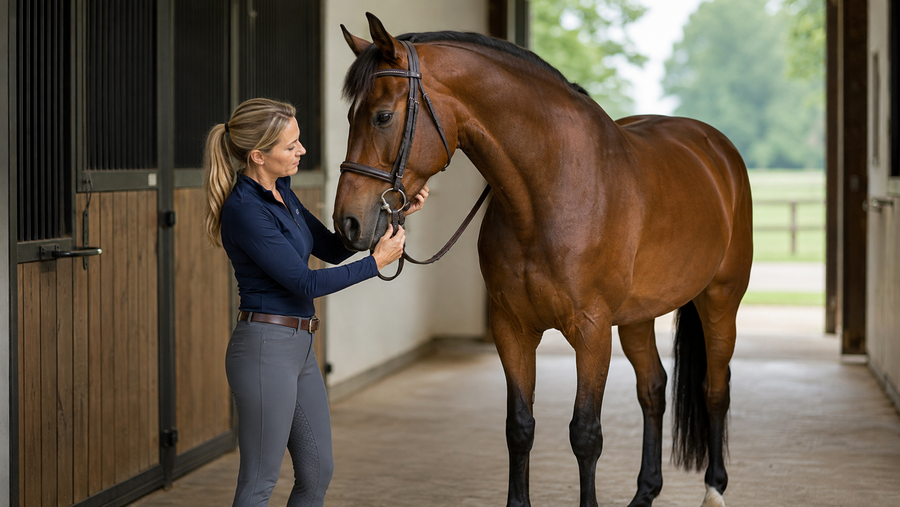
Check the horse after work and again the next day. Notice appetite, attitude, breathing, sweat, legs, feet, back, movement, and willingness. If the horse is not returning toward normal, the plan was more expensive than it looked.
A planned ride is still optional when the horse’s current evidence says otherwise.
What If You Only Have Weekends?
Start with the horse’s current condition, not the ride you wish you could do. Use a shorter route, more walking, fewer repetitions, and deliberate breaks. If another responsible person can provide appropriate turnout, hand walking, or simple midweek movement, coordinate a clear plan. Do not invent a conditioning program that the handler or horse cannot perform safely.
When the goal is ambitious, a qualified trainer, veterinarian, or conditioning professional can help build a schedule around the horse, rider, facility, and available time.
Know When the Horse Needs Less
Back off for soreness, lameness, heat, swelling, wounds, unusual breathing, a marked behavior change, or recovery that is slower than normal. Repeated sourness or performance decline deserves investigation. Do not assume the horse only needs to be “made to work.”
For a focused decision in the moment, read How to Tell If You Are Asking Too Much Too Soon.
FAQ
Do easy rides improve a horse?
Yes. Easy, correct sessions can develop rhythm, response, confidence, and aerobic conditioning while limiting unnecessary fatigue.
How long should a conditioning ride be?
There is no universal duration. Fitness, age, health, footing, weather, terrain, discipline, and recovery all matter.
Should I ride through stiffness after a weekend workout?
Do not assume stiffness needs harder work. Assess the horse and ask a veterinarian when stiffness is painful, persistent, recurring, or paired with another concerning sign.
General riding education only. This article does not diagnose a horse and does not replace veterinary care or qualified training guidance.