


Daily recovery
Liniment Gels
Explore the Draw It Out® liniment gel lineup for everyday use, post-work routines, and targeted recovery support.
Shop liniment gels
Cold weather hydration in horses is one of the most overlooked parts of winter care. Water is available. Buckets are full. Yet many horses quietly drink less, recover slower, and feel tighter day after day.
If winter is where your routine slips, start with a steady electrolytes for horses approach that supports hydration patterns through cold mornings, hauling, and inconsistent drinking.
This is not a coincidence. Winter changes how horses drink, how their bodies respond to dehydration, and how recovery shows up under saddle.
Most riders assume hydration problems disappear when the heat does. In reality, winter introduces a different set of challenges.
If you want to improve equine hydration, winter is where consistency matters most.
Winter dehydration rarely looks dramatic. It shows up as subtle changes that stack over time.
Offering slightly warmer water morning and evening is one of the easiest fixes. Many horses will drink more without any other changes.
Cold weather slows algae growth, but residue still affects taste. Clean buckets regularly to keep water appealing.
You do not need to measure every day. Checking intake a few times a week prevents guessing.
Even in winter, cooling down properly and supporting hydration after work helps prevent next-day stiffness.
Hydration supports circulation, muscle function, and recovery. Ignoring it during winter often shows up later as preventable tightness or inconsistency.
For a full system approach, start with the Solution Finder to match your horse’s workload and environment.
If you are building a proactive program, review your full Prehabilitation plan and related Prehabilitation tools to support year-round comfort.
This article gives you the background. If you are ready to put the idea into a real horse care routine, these are the next places most riders should go.
Explore the Draw It Out® liniment gel lineup for everyday use, post-work routines, and targeted recovery support.
Shop liniment gelsMatch your horse’s workload, age, routine, and care goals to the Draw It Out® products that make the most sense.
Use the finderLearn how riders support soundness, comfort, and consistency before little issues become bigger problems.
Read the guideReal Barn Proof
Real riders. Real horses. Real routines. These clips rotate automatically so the proof stays fresh without weighing the page down with a long feed.
Why this matters: good horse care should make sense outside the ad. These clips show the kind of everyday use that builds trust one barn at a time.
Further Reading
Horse care works better when the next step is clear. These related reads help connect today’s topic to better daily decisions in the barn.
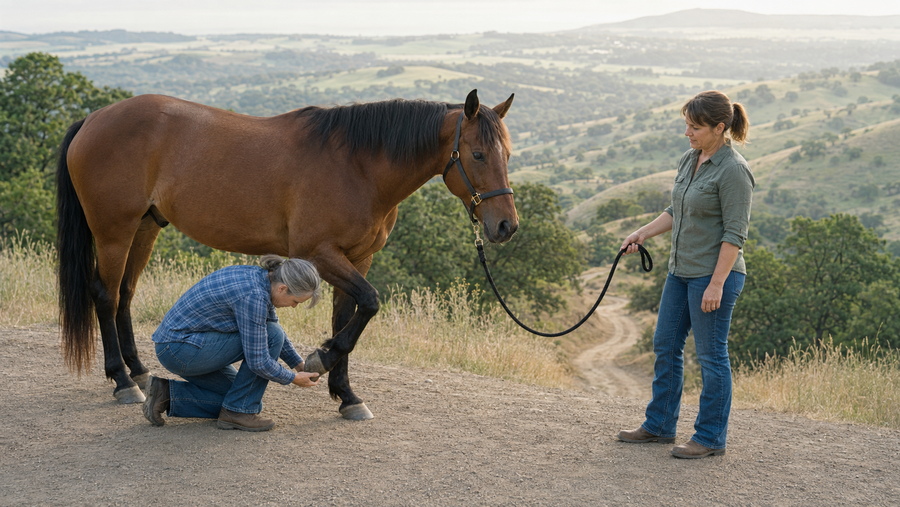
Jul 14, 2026
A practical horse health guide for horses reluctant downhill: front feet, shoulders, saddle balance, footing, and vet or farrier red flags.
Read article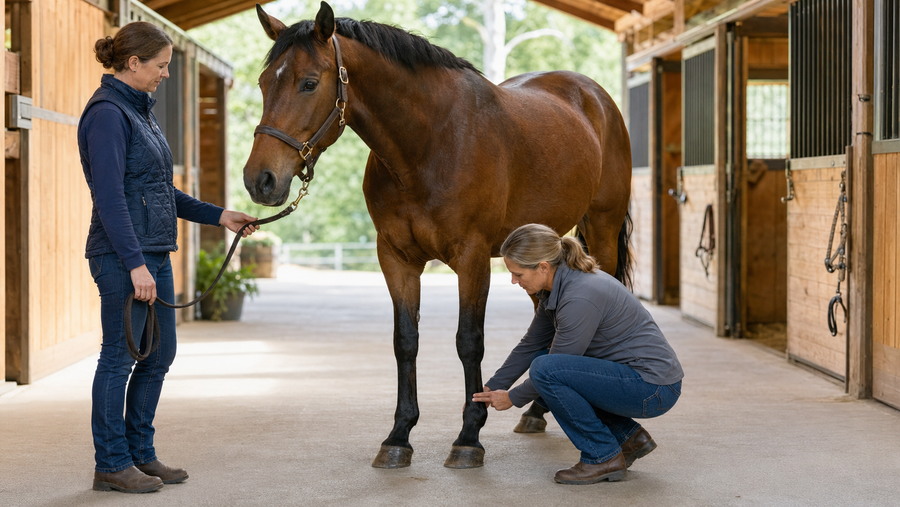
Jul 14, 2026
A rider-first guide to checking a stronger horse digital pulse, comparing all four feet, reading hoof heat and movement, and recognizing veter...
Read article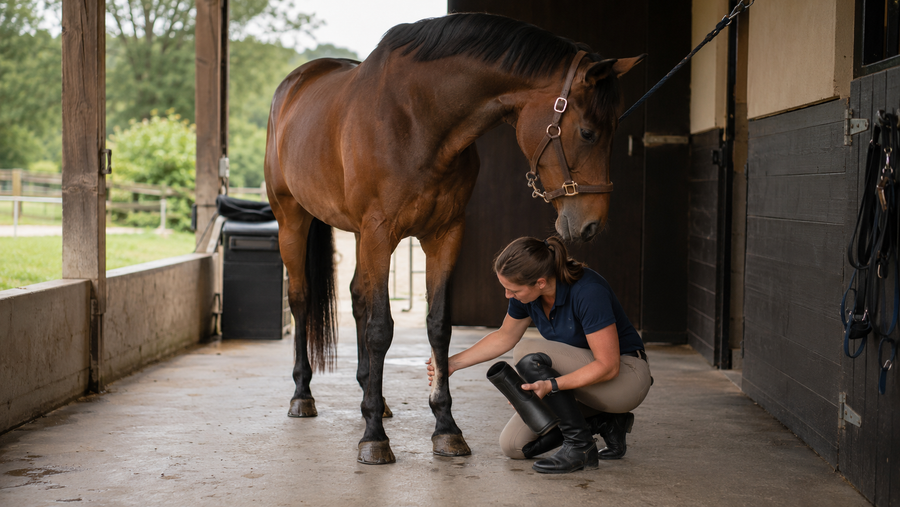
Jul 13, 2026
A practical horse health guide for skin scabs under boots: boot fit, trapped sweat, dirt, rub lines, skin checks, and when to call the vet.
Read articleStart with the principle, then build the habit. The right article should make the next barn decision easier, not more complicated.
Next Step
Simple care guides, practical product paths, and rider-trusted tools built for real horses and real routines.
Good care gets easier when the next step is obvious. Read the guide, match the routine, then choose the format that fits how your barn actually works.
Recovery Routine
Want a smarter way to think through post-ride care, heat, swelling, leg support, and daily recovery decisions? Start with the Performance Recovery Hub.
Better recovery starts with a repeatable routine. The hub gives riders a clearer path from workload to product format to aftercare timing.
Rider Favorites
Four core Draw It Out® staples riders keep close for daily recovery routines, wash rack use, targeted support, and quick barn-side care.
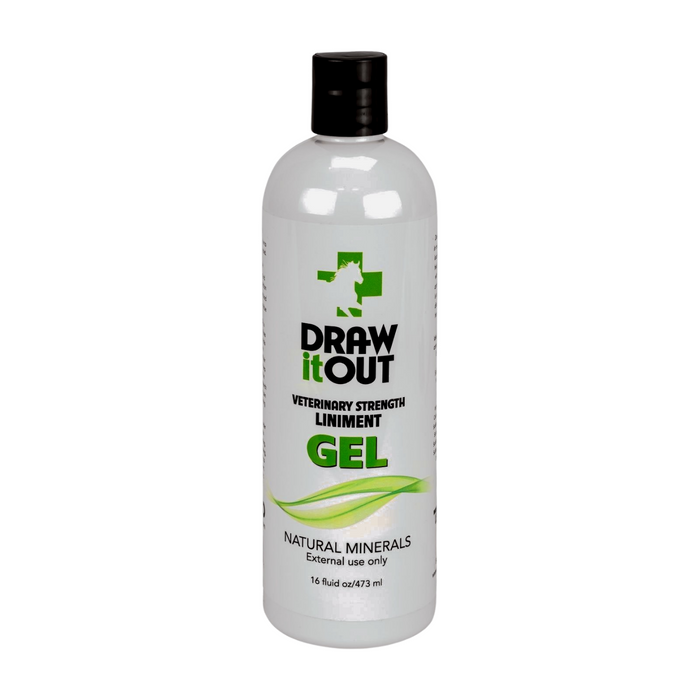
Stay-Put Gel
The everyday liniment gel format riders reach for when they want targeted, no-mess application.
View product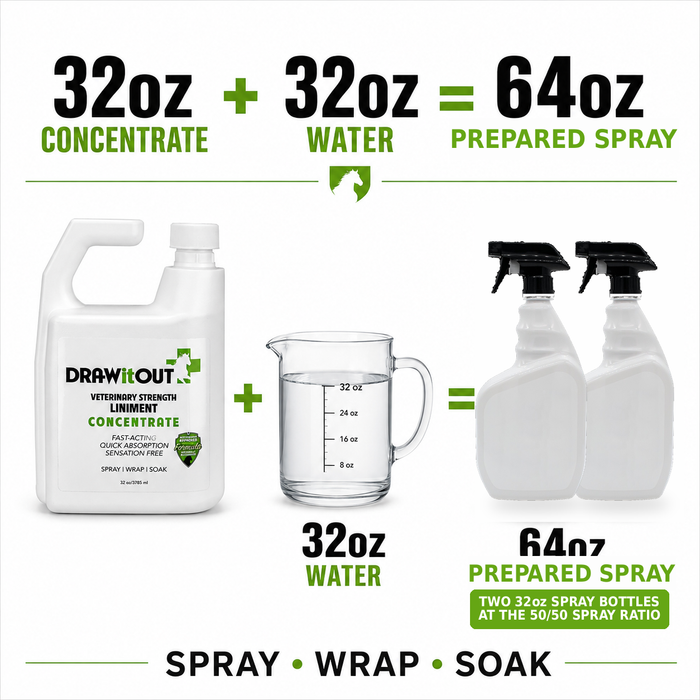
Mix Your Way
A flexible concentrate for riders who want to mix their own routine around workload and barn needs.
View product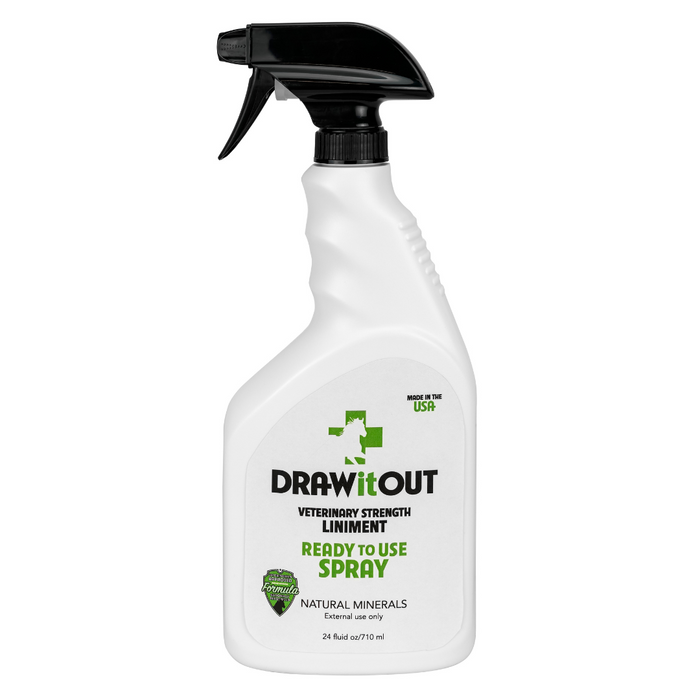
Ready To Use
A ready-to-use spray format for quick application after work, travel, turnout, or daily care.
View product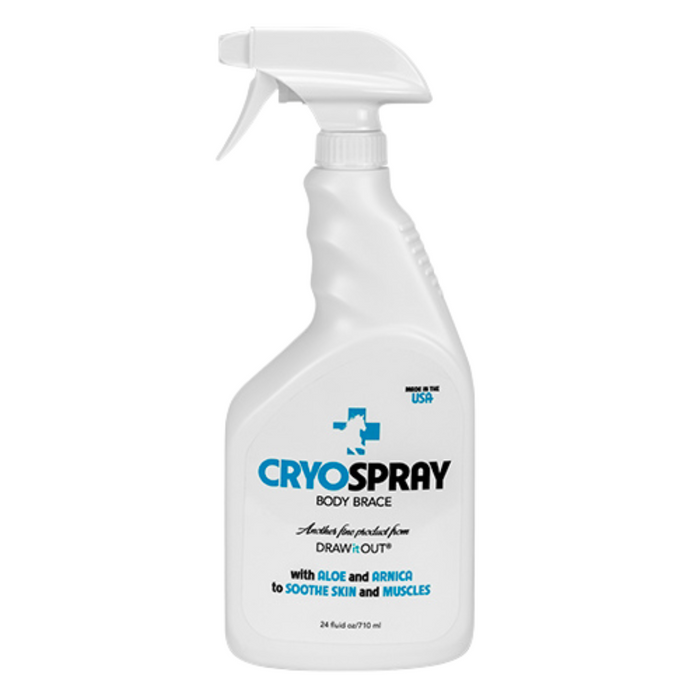
Cooling Brace
A cooling body brace spray for riders who want a fast, practical option after hard work or hot days.
View productFormat matters. Gel, concentrate, ready-to-use spray, and cooling spray each solve a different barn problem. Pick the one your routine will actually use.
!