Hot Weather Horse Care: What to Check Before, During, and After the Ride
Short answer: In hot weather, check hydration, attitude, breathing, sweat, legs, skin, and recovery time before asking your horse to work. Heat changes the job. Good horsemen change the plan.
Before the ride: do not let the calendar make the decision
Hot weather does not care about your plan, your entry fee, your lesson time, or how badly you wanted to get a ride in. The first job is to look at the horse in front of you and decide whether the work still makes sense.
Check attitude
A dull, unusually quiet, anxious, or off horse deserves attention before you tack up.
Check hydration clues
Look at drinking behavior, manure consistency, gum appearance, and whether the horse seems normal for that animal.
Check legs and feet
Heat, swelling, lameness, hoof tenderness, or uneven movement changes the plan.
Check weather reality
Heat, humidity, poor airflow, hard work, hauling, and direct sun all stack together.
During the ride: watch the horse, not the clock
A horse can look fine when you start and change quickly once heat, humidity, footing, effort, and stress add up. Pay attention to breathing, sweat pattern, willingness, coordination, and recovery between efforts.
| What to watch | Why it matters | What to do |
|---|---|---|
| Breathing does not settle | Recovery may be lagging | Stop, cool, observe, and change the plan |
| Unusual sweat pattern | Heat management may be off | Reduce work and monitor closely |
| Loss of impulsion or coordination | Fatigue or distress may be building | End the ride and assess |
| Behavior changes | Horse may be uncomfortable or overwhelmed | Do not ride through the warning |
After the ride: recovery tells the truth
The ride is not over when you dismount. The horse still needs to cool, breathe, settle, drink, and return to normal. Recovery time matters.
Keep the horse moving calmly while you watch breathing, attitude, sweat, and willingness.
Use water, shade, airflow, and appropriate cooling steps based on conditions and your veterinarian’s guidance.
Heat, swelling, scrapes, rubs, girth areas, pasterns, and heel bulbs are easier to catch when the horse is still in your hands.
If the horse does not seem to recover normally, do not shrug it off.
Cooling and recovery routines
Hot weather care is not one product or one trick. It is management: workload, water access, shade, airflow, cooling, observation, and knowing when to stop.
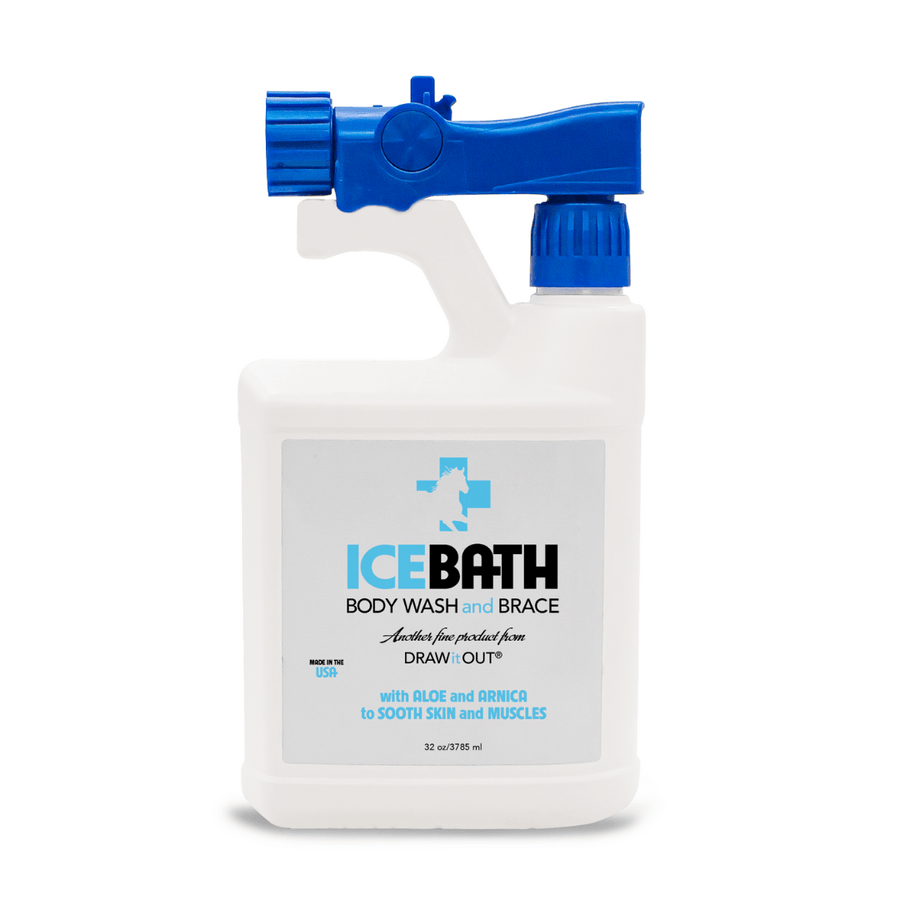
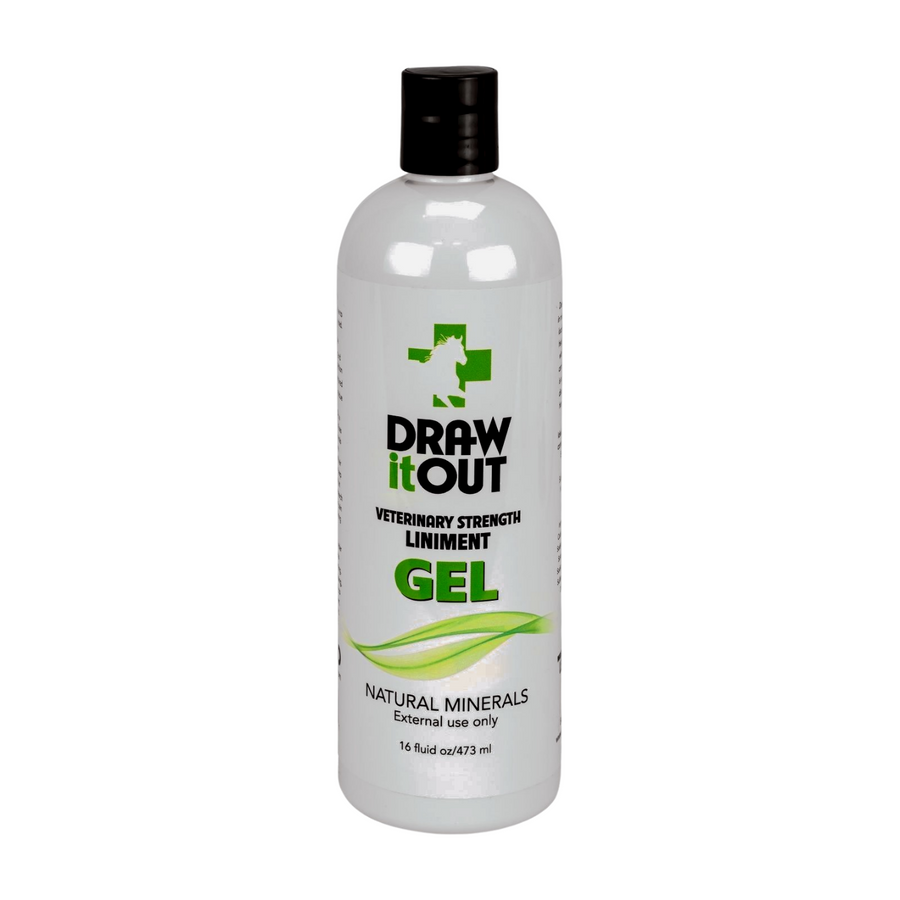
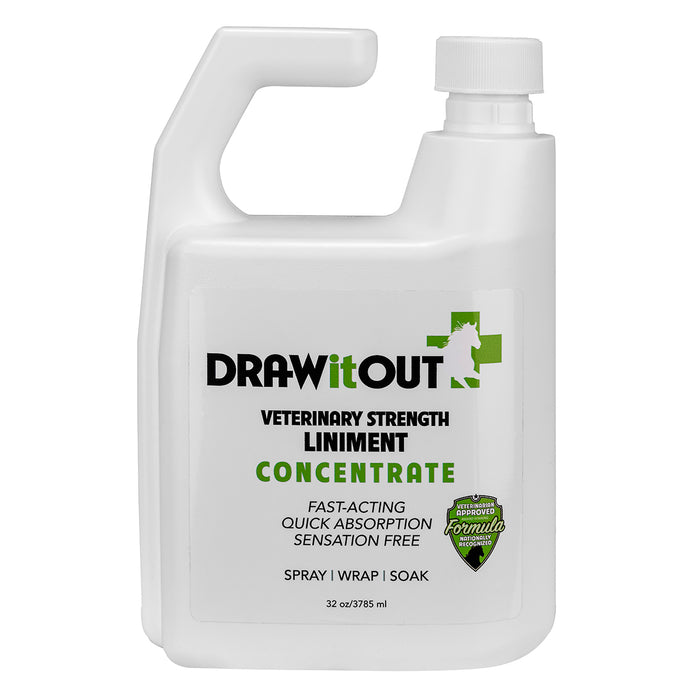
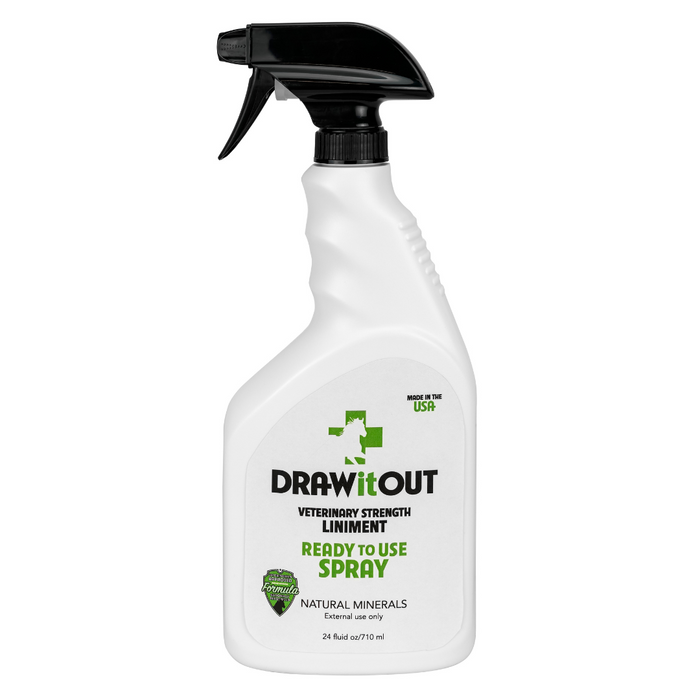
Draw It Out® fits the routine after the observation. For daily leg and body-care routines, many riders start with Draw It Out® 16oz Liniment Gel. For skin-care spots, rubs, scrapes, or topical format decisions, use the RESTOREaHORSE® Guide. For broad routing, use the Solution Finder.
When to call the vet
Call your veterinarian for signs of heat stress, collapse, severe distress, abnormal breathing that does not settle, high temperature concern, lack of sweating when expected, severe weakness, colic signs, dehydration concerns, lameness, or anything that does not improve with appropriate cooling and rest.
Build the hot-weather habit
Before the ride, check the horse. During the ride, listen to the horse. After the ride, watch recovery. That is the whole system.
Real horse care is not doing the same thing every day. It is making the right decision for the horse in front of you today.
FAQ
Should I ride my horse in hot weather?
It depends on the horse, heat, humidity, airflow, workload, conditioning, water access, and recovery. When conditions stack against the horse, lighten the work or skip the ride.
What should I check before riding in the heat?
Check attitude, hydration clues, breathing, legs, feet, sweat, weather conditions, and whether your horse seems normal for that animal.
What should I watch after the ride?
Watch breathing, attitude, sweat, temperature concern, drinking behavior, leg condition, skin rubs, and whether the horse returns to normal.
When should I call the vet for hot weather concerns?
Call your veterinarian for heat stress signs, collapse, severe distress, abnormal breathing that does not settle, high temperature concern, lack of sweating when expected, severe weakness, colic signs, dehydration concerns, lameness, or anything that does not improve.
Quick answer
In hot weather, check hydration, attitude, breathing, sweat, legs, skin, and recovery time before, during, and after riding. Lighten the work or skip the ride when conditions stack against the horse, and call a veterinarian for heat stress signs, collapse, severe distress, abnormal breathing, high temperature concern, dehydration concerns, colic signs, lameness, or non-improving problems.