If you ask ten riders which matters more — the warm-up or the cool-down — you’ll get ten different answers. The truth is simple. The warm-up gets your horse ready to work. The cool-down determines how your horse feels tomorrow.
If your horse comes out stiff the next day, if they stock up in the stall, if the first trot step feels like cement — this usually traces back to how the cool-down was handled, not the warm-up.
Why the Cool-Down Matters More
The cool-down isn’t the afterthought riders treat it as. It is the first step of recovery — and the single most important part of preventing next-day soreness.
1. The cool-down clears metabolic waste
Hard work produces waste products inside the muscle. If these sit in the tissues, you get soreness, stocking-up, and stiffness. A structured cool-down gives the circulatory system time to flush them out.
2. Tissues “set their tone” post-exercise
The state your horse’s muscles are in during the cool-down is the state they stay in. Tight? They stay tight. Loose and relaxed? Your next ride goes better.
3. Recovery products work best while tissues are warm
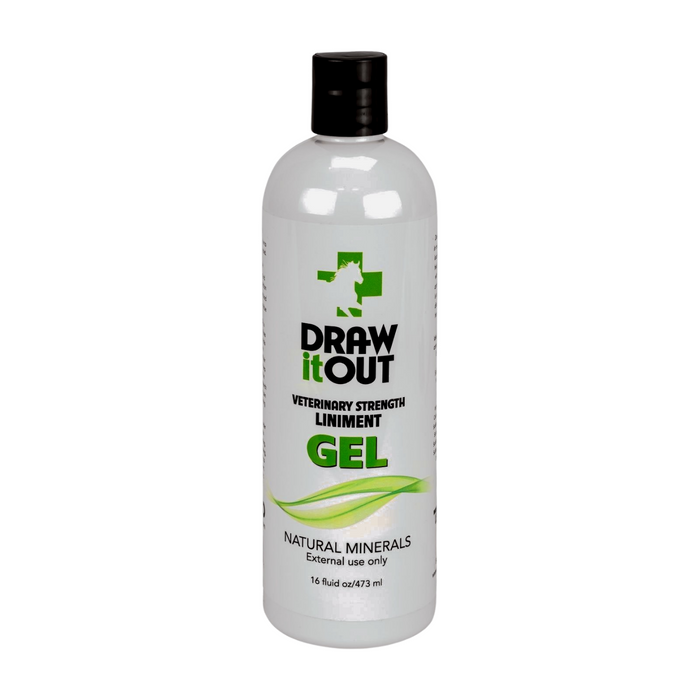
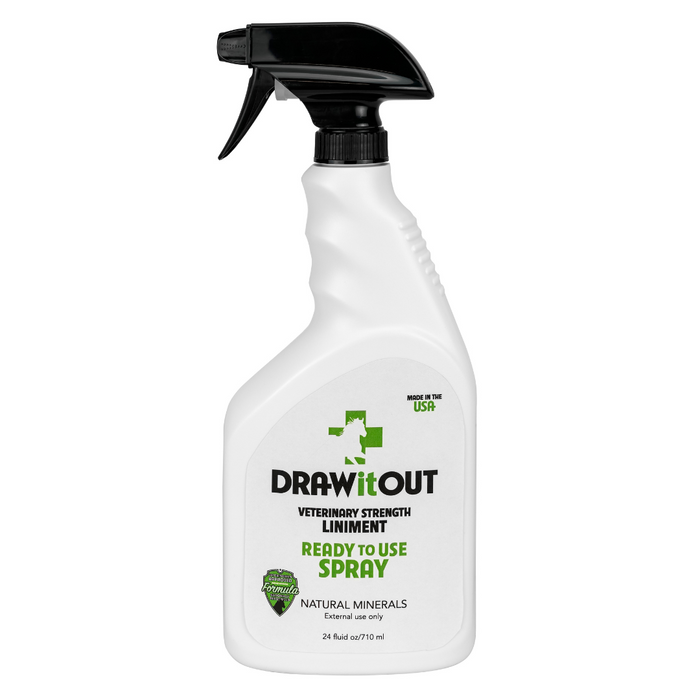
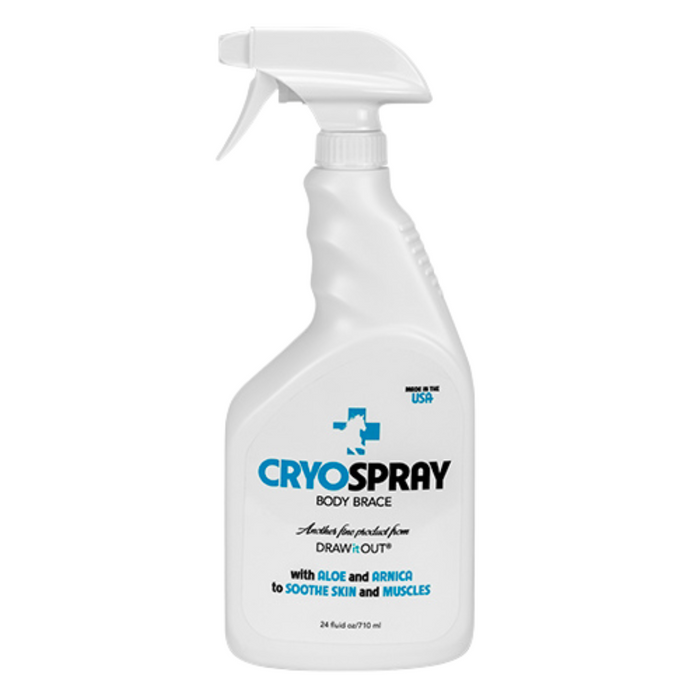
Applying a sensation-free, odorless liniment as the body cools supports deeper penetration and calmer recovery. This is the moment when your horse benefits most.
Warm-Up Still Matters — But Not Like You Think
The warm-up has a clear purpose: increase circulation, activate joints, prepare the nervous system, and lengthen tissues. It reduces the risk of acute strains and gives your horse a chance to mentally settle.
But a great warm-up without a proper cool-down is like starting a story and never finishing it. The work loads the tissues. The cool-down unloads them.
What a Proper Cool-Down Looks Like
The best riders, the ones whose horses stay consistently sound and ready, almost always follow the same steps:
- Five minutes of active walk on a loose rein.
- Gradual decrease in intensity rather than stopping abruptly.
- Focused breathing — your horse’s, not yours.
- Application of a gentle, sensation-free liniment to support soft tissue recovery.
The cool-down shouldn’t feel rushed. It should feel like the second half of the ride — the part where you protect tomorrow’s performance.
Odorless, competition-conscious liniments work with your horse’s natural recovery instead of masking issues. They’re ideal during the cool-down, when tissues are warm and most responsive.
The Bottom Line
Warm-ups prepare. Cool-downs repair. If you want a horse who stays sound, willing, and comfortable from one ride to the next, the cool-down is where you win that battle.
Your horse doesn’t just need to work well — they need to recover well. And that starts in the final five minutes of every ride.