Winter Hock Stiffness in Horses: Cold Weather Joint Care That Works
Reading time: ~6 minutes • Season: Winter joint & mobility care
When winter arrives, many horses don’t limp—they hesitate. The stride shortens behind, transitions feel sticky, and warm‑up takes longer. More often than not, the hocks are where cold weather shows up first.
Winter hock stiffness isn’t about age or workload alone. It’s about how cold temperatures change joint function and circulation.
Why the Hocks Feel Winter First
The hock is a high‑motion, high‑load joint—especially vulnerable in cold weather:
- Joint fluid thickens as temperatures drop
- Circulation slows to lower limbs
- Reduced turnout limits natural movement
- Frozen footing encourages bracing and joint stress
The result is stiffness that improves with movement—but worsens if ignored.
Early Signs of Winter Hock Stiffness
- Difficulty pushing off behind
- Shortened hind‑end stride
- Delayed warm‑up response
- Reluctance in downward transitions
- Stiffness the day after riding
These signs are management signals—not reasons to push harder.
Step 1: Support Circulation Before Movement
Cold joints need help warming naturally.
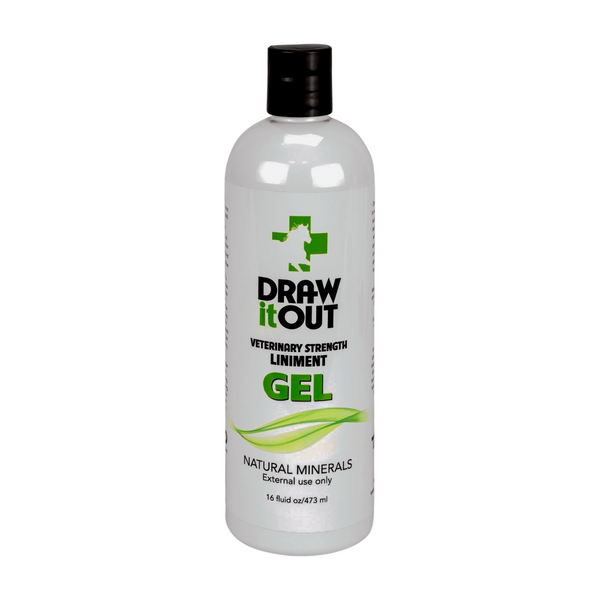
Before turnout or riding, apply a thin layer of Draw It Out® High Potency Gel around the hock and surrounding muscle groups. The sensation‑free formula supports circulation without heating or sealing moisture against the skin.
Step 2: Walk Is Non‑Negotiable
Winter hocks require longer, deliberate warm‑ups.
- Allow 10–15 minutes of forward walking
- Favor straight lines and gradual curves
- Delay collected work until looseness appears
If the hocks don’t feel better at the walk, don’t progress.
Step 3: Address Supporting Muscles After Work
Tight hamstrings, glutes, and lumbar muscles increase hock strain.
Massage MasterMudd™ EquiBrace into the hindquarters and lower back after riding to help reduce tension that feeds joint stiffness.
Step 4: Hydration Affects Joint Comfort
Dehydration reduces tissue elasticity and joint lubrication—especially in winter.
Support consistent water intake with Hydro‑Lyte® with GastroCell® to help joints and soft tissue stay more resilient in cold conditions.
Step 5: Adjust Winter Expectations
Winter isn’t the season to demand maximum push every ride.
- Alternate harder days with stretching rides
- Use longer warm‑ups and cool‑downs
- Monitor stiffness patterns closely
Thoughtful winter management protects long‑term joint health.
Winter Hock Support Kit
- Draw It Out® High Potency Gel
- MasterMudd™ EquiBrace
- Hydro‑Lyte® with GastroCell®
- Explore the Wisdom Library
Practical, experience‑driven horse care lives inside the Draw It Out® Wisdom Library.