


Aug 23, 2026
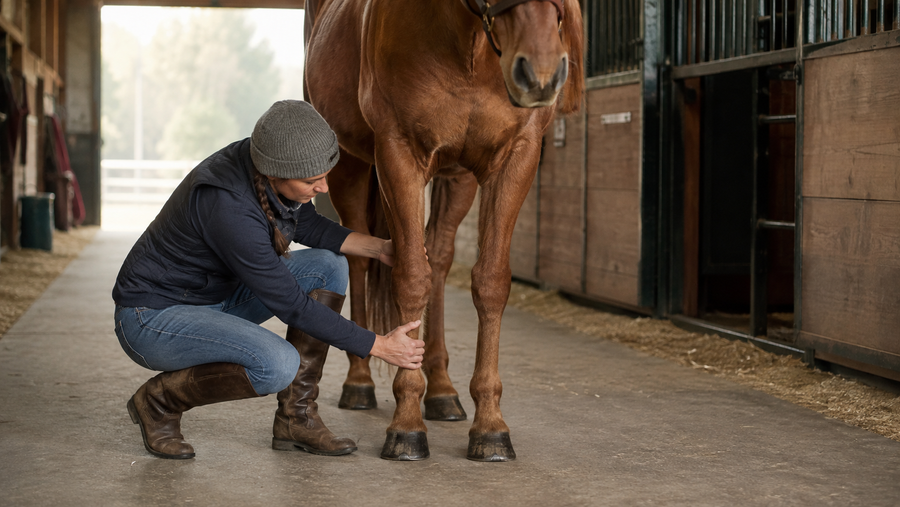
Horse Stocked Up After Standing Overnight: What to Check First
A calm check-first guide for a horse stocked up after standing overnight, including symmetry, heat, movement, skin, wrapping, and veterin...
Free U.S. shipping at $50+
No code needed.
Shipping details
<section>
  <h2>What Hollowing Looks Like</h2>
  <ul>
    <li>High head carriage with an inverted neck</li>
    <li>Stiff back and shortened stride</li>
    <li>Difficulty engaging hind end or collecting</li>
    <li>Pinned ears or tail swishing under saddle</li>
  </ul>
  <p>This posture often means your horse is trying to escape pressure or pain in the back, hindquarters, or saddle area.</p>
</section>

<section>
  <h2>Top Causes of Hollowing</h2>
  <ul>
    <li>Poor saddle fit or unbalanced rider weight</li>
    <li>Back pain or soft tissue tension</li>
    <li>Lack of core strength or conditioning</li>
    <li>Training or rider-induced pressure (pulling, harsh cues)</li>
  </ul>
</section>

<section>
  <h2>What You Can Do</h2>
  <ol>
    <li>Have a saddle fitter check fit and pressure points</li>
    <li>Use a back-friendly liniment like <a href="https://drawliniment.com/products/draw-it-out-16oz-high-potency-gel" target="_blank">Draw It Out® Gel</a> before and after work</li>
    <li>Incorporate long and low exercises to stretch the back</li>
    <li>Consider massage or chiropractic care</li>
    <li>Improve rider balance through lunge line or no-stirrup work</li>
  </ol>
</section>

<section>
  <h2>When to Involve a Vet</h2>
  <p>If your horse suddenly changes their posture, becomes hard to ride, or shows signs of pain when touched, don’t guess—get help. Ruling out conditions like kissing spine or SI inflammation can save time and money in the long run.</p>
</section>

<section>
  <h2>Final Thoughts: Tension is a Clue</h2>
  <p>Your horse isn’t just being stubborn—they’re trying to say something. Hollowing out is often a first sign of discomfort. Address it early and you’ll build a better, more willing partner.</p>
  <p><em>The back tells the truth. Ride with eyes open and heart tuned in.</em></p>
</section>

<footer>
  <h3>More Resources</h3>
  <ul>
    <li><a href="https://drawliniment.com/blogs/real-rider-resource/horse-cold-backed-guide">Cold-Backed Horses</a></li>
    <li><a href="https://drawliniment.com/pages/horse-liniment-guide">How to Use Liniment</a></li>
    <li><a href="https://drawliniment.com/blogs/real-rider-resource/saddle-fit-inflammation">Saddle Fit & Soft Tissue</a></li>
  </ul>
</footer>
Conditioning works best when the horse gets time to adapt, not just more work to survive.
A calm check-first guide for a horse stocked up after standing overnight, including symmetry, heat, movement, skin, wrapping, and veterin...
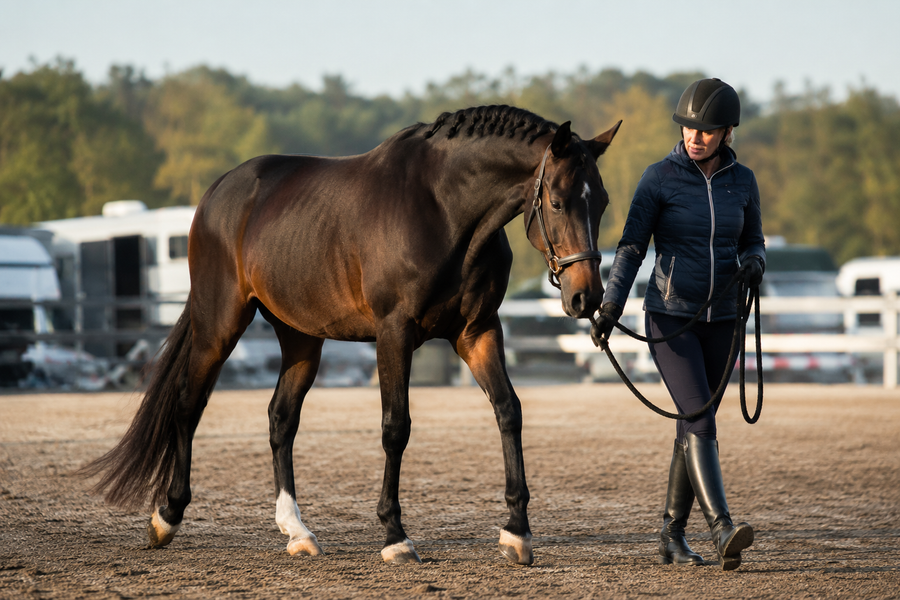
A daily mobility baseline helps riders notice small changes in a mature horse and gives the veterinarian better information than “he seem...
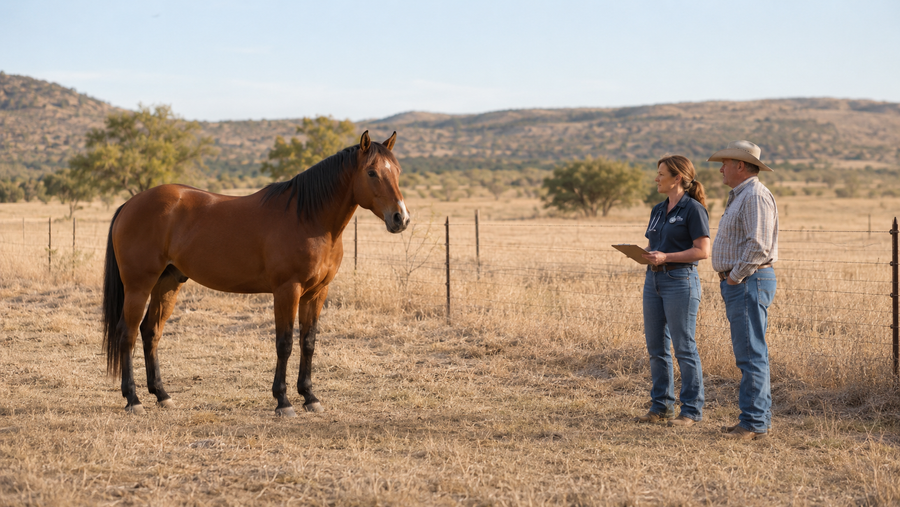
Anthrax is rare but can progress rapidly in horses. Learn who is at risk, what signs require urgent veterinary action, why suspected carc...
Want a smarter way to handle soreness, heat, swelling, and post-ride leg care? Visit our Performance Recovery Hub for clear routines and product guidance.
Visit the Recovery Hub!