What Changed After the Ride? The Real Rider Way to Read Your Horse
The best riders notice the change. Not just whether the ride was good or bad, but what changed in the horse’s body, attitude, movement, recovery, and willingness before the next ride.
Why “what changed?” is the better question
Too many riders ask one lazy question after a ride: “Was he good?” That misses the point.
A better question is: what changed? Did the horse finish looser or tighter? Quieter or more anxious? More forward or more resistant? Did he recover quickly, or did he stay dull, stocked up, sore, crabby, or heavy?
That question turns a rider into a caretaker. It makes the next ride smarter before you even swing a leg over.
The five areas real riders check
Watch the walk after the ride. Look for shortened stride, stiffness, dragging toes, unevenness, reluctance to turn, or a horse that looks different than when you started.
Run your hands over the back, loin, shoulders, hips, neck, legs, and girth area. Compare what feels normal to what feels guarded, tight, hot, or reactive.
Notice whether the horse is relaxed, worried, dull, defensive, agitated, or unusually sensitive while being untacked and handled.
Pay attention to breathing, sweating, cooling out, willingness to walk, and how the horse looks after a few minutes of rest.
One odd day is information. A repeated pattern is a message. Track what shows up again and again.
A simple post-ride system
This does not need to be complicated. Real barn systems work because they are short enough to repeat.
Before untacking
Notice breathing, sweat pattern, attitude, and whether the horse wants to stand quietly or keeps shifting.
While untacking
Check girth marks, saddle area, back, withers, shoulders, and any spot that reacts differently than normal.
After cooling out
Walk the horse and look again. Many issues are easier to read once the horse has settled.
The next morning
Check what carried over. Morning stiffness, filling, soreness, or attitude changes matter.
Where products fit without replacing horsemanship
Products should support a real routine, not hide bad decisions. Draw It Out® belongs in the barn because riders need simple, repeatable topical care for horses in regular work.
The right order is always the same: observe first, choose second, track third.
Daily leg and body care
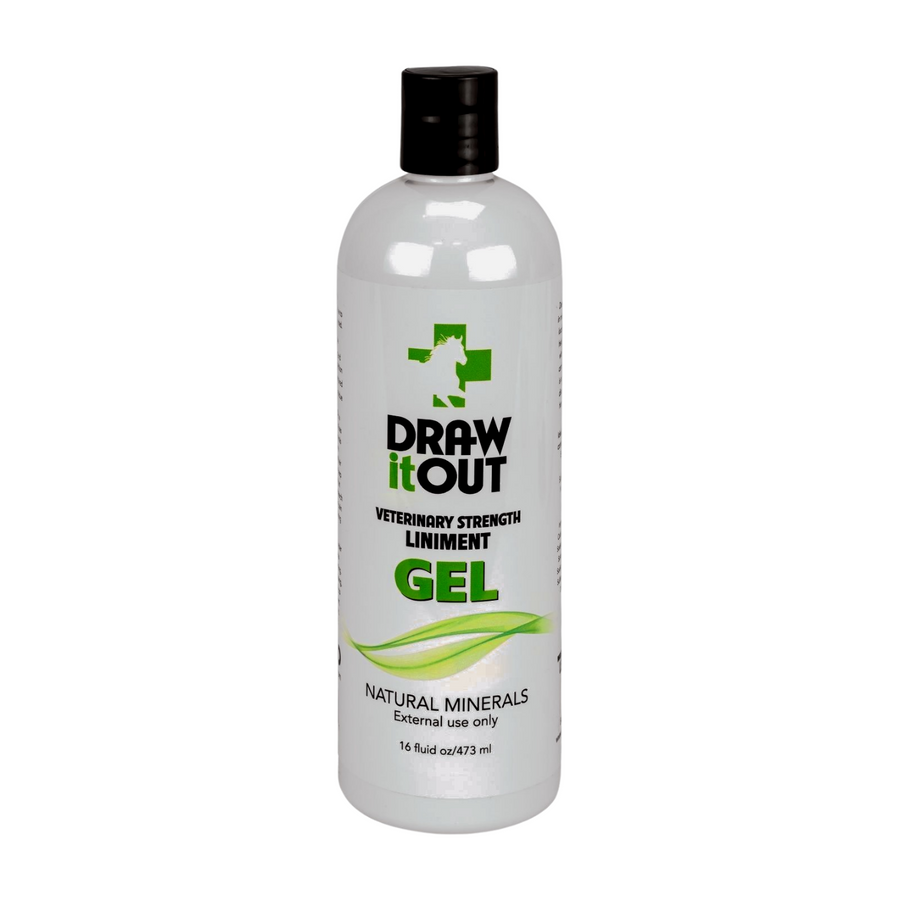
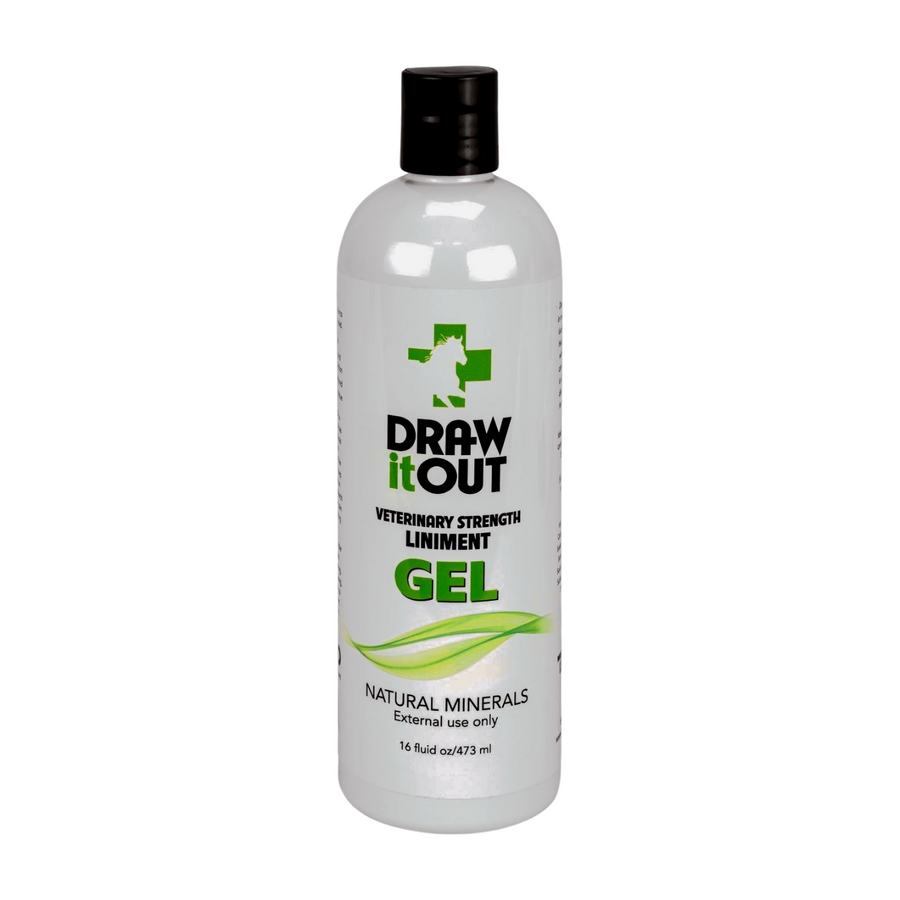
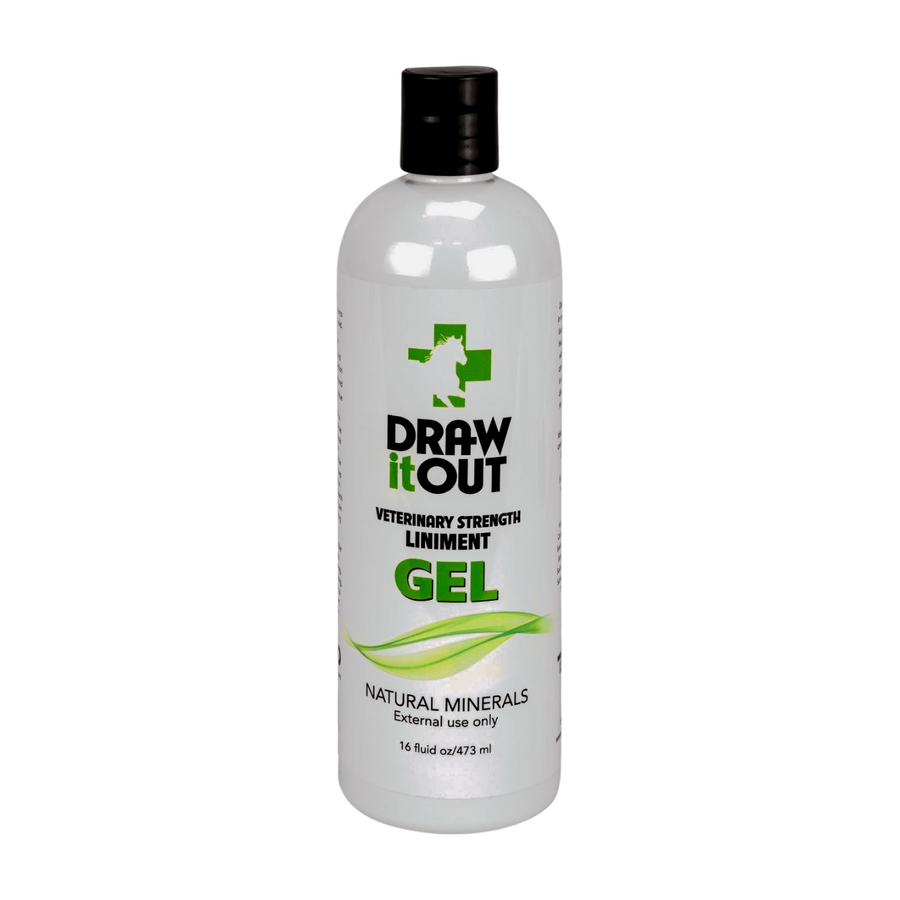
Use Draw It Out® Gel when a practical topical format fits your post-ride routine.
Shop 16oz GelBarn-size routines
Use larger formats when multiple horses or steady work make daily care part of the program.
Shop 64oz GelLearn before you buy
Use the Horse Health Library to match the routine to the horse instead of guessing from a shelf.
Open the LibraryWhen the change is a red flag
Call your veterinarian or qualified professional when the change includes lameness, severe swelling, heat with pain, sudden unwillingness to work, breathing concerns, colic signs, wounds, repeated resistance, neurological signs, sudden behavior changes, or anything that worsens or does not improve.
The bottom line
Real riders do not just ride and leave. They notice. They compare. They remember. They build the next ride from what the horse told them after the last one.
Ask the better question: what changed after the ride?
FAQ
What should I check after every ride?
Check movement, body feel, attitude, recovery, tack-contact areas, legs, feet, sweat pattern, and whether anything changed from that horse’s normal.
Why is tracking changes useful?
Tracking changes helps riders spot patterns early instead of reacting late. Repeated stiffness, soreness, resistance, swelling, or slow recovery may point to a bigger issue.
Where does Draw It Out® fit in the routine?
Draw It Out® Gel can support a practical post-ride topical care routine for horses in regular work, but it should follow observation and never replace veterinary evaluation for serious concerns.
When should I get professional help?
Get help for lameness, severe swelling, heat with pain, wounds, breathing concerns, colic signs, neurological signs, worsening symptoms, sudden behavior changes, or issues that do not improve.
Quick answer
After every ride, real riders should ask what changed in the horse’s movement, body feel, attitude, recovery, tack-contact areas, legs, feet, and willingness. Tracking these changes helps reveal patterns early and supports smarter care decisions before the next ride.