Can You Use Horse Liniment in Hot Weather? A Practical Summer Guide
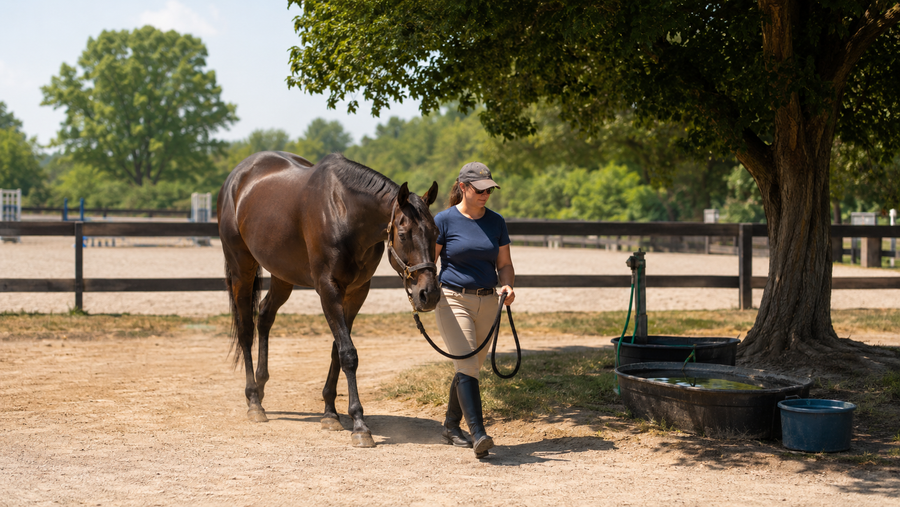
Can you use horse liniment during the heat of the day? Yes, but the horse's temperature, skin condition, and recovery matter more than the clock. Here is the...

Mane rubs after fly gear are more than a cosmetic problem. A rub can point to pressure, sweat, dirt, poor fit, insect irritation, or repeated friction where the horse cannot get relief.
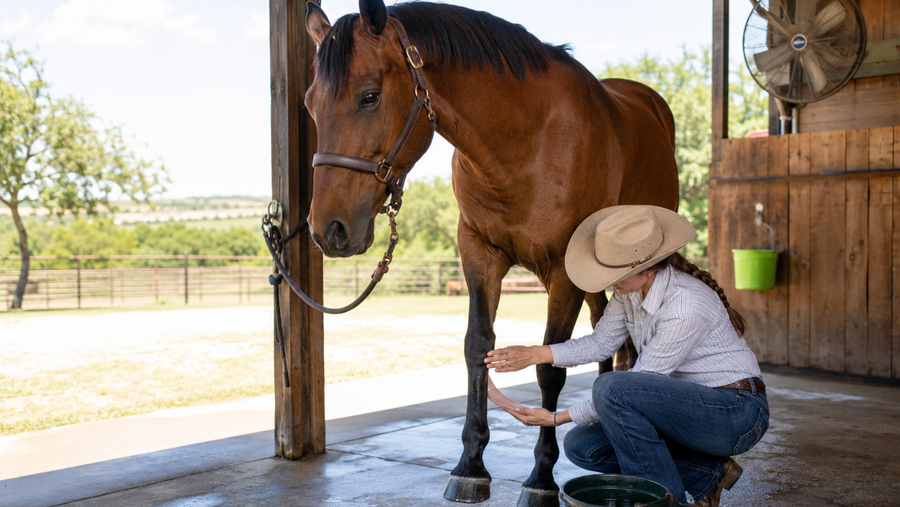
If your horse has mane rubs after fly gear, check fit, seams, neck cover movement, trapped sweat, dirt buildup, skin heat, scabs, itching, and whether the horse is rubbing from insects or discomfort. Remove or adjust rubbing gear and call your veterinarian for open, swollen, painful, oozing, spreading, or severely itchy skin.
Fly sheets and neck covers move as the horse grazes, rolls, sweats, and turns. Heat and dust make friction worse. A sheet that fit in the spring may rub differently after weight, coat, or weather changes.
Remove fly gear daily and check underneath. Brush dirt out of the mane and neck. Clean the gear. Adjust fit or change products if rubs repeat. Give the skin a break before the rub turns into a wound.
Use the Horse Health Library to learn skin and gear checks. If you are not sure what care path fits, use What Does My Horse Need?. For appropriate external support after checking the skin, review active Draw It Out® horse-care collections.
Friction, poor fit, seams, sweat, dirt, and rubbing behavior can all contribute to mane loss.
Not if it keeps rubbing. Adjust, clean, rest the skin, or change gear before the irritation worsens.
Check under the gear, not just whether the horse is wearing it.
Can you use horse liniment during the heat of the day? Yes, but the horse's temperature, skin condition, and recovery matter more than the clock. Here is the...
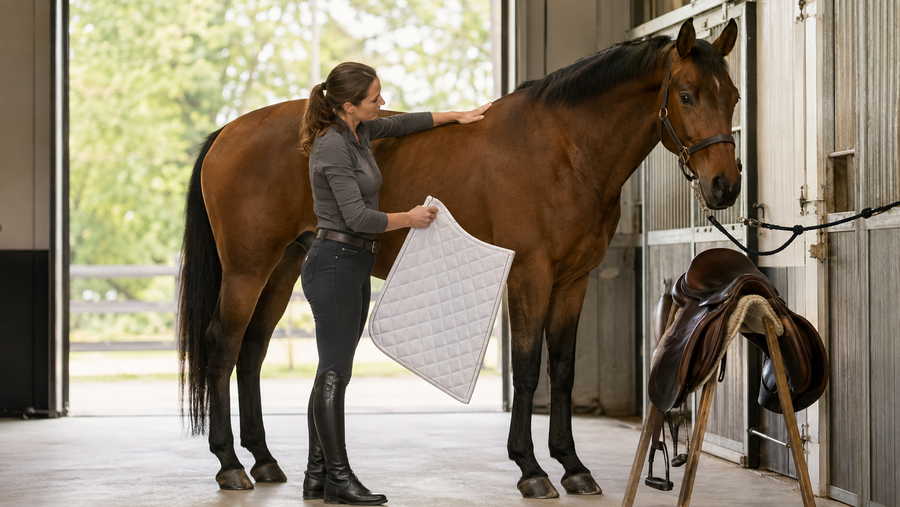
A practical horse health guide for sensitivity after a new saddle pad: sweat marks, dry spots, pad edges, saddle balance, and when to call for help.
Canterbury Park canceled July 26 racing after projected heat indices above 105°F. Here is what riders and horse-event organizers should build into a heat stop-plan.
!